
Digital health trackers have rapidly evolved from simple fitness gadgets into powerful personal health tools. Today, hundreds of millions of people worldwide use smartwatches, rings, and health apps to monitor heart rate, sleep quality, activity levels, and more. This everyday data collection is quietly reshaping how individuals engage with their own health, shifting habits from reactive care to proactive awareness.
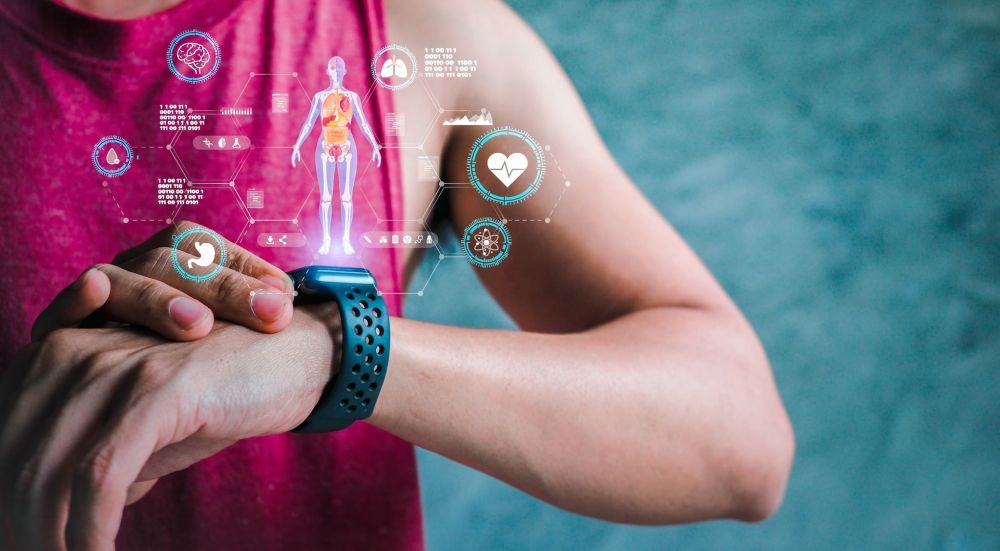
The market behind these devices reflects this momentum. Valued at over 200 billion dollars in the mid-2020s, the digital health trackers sector is projected to more than triple within the next decade, growing at double-digit annual rates. This growth is fueled by rising chronic disease prevalence, aging populations, and a global push to reduce healthcare costs through early detection and continuous monitoring.
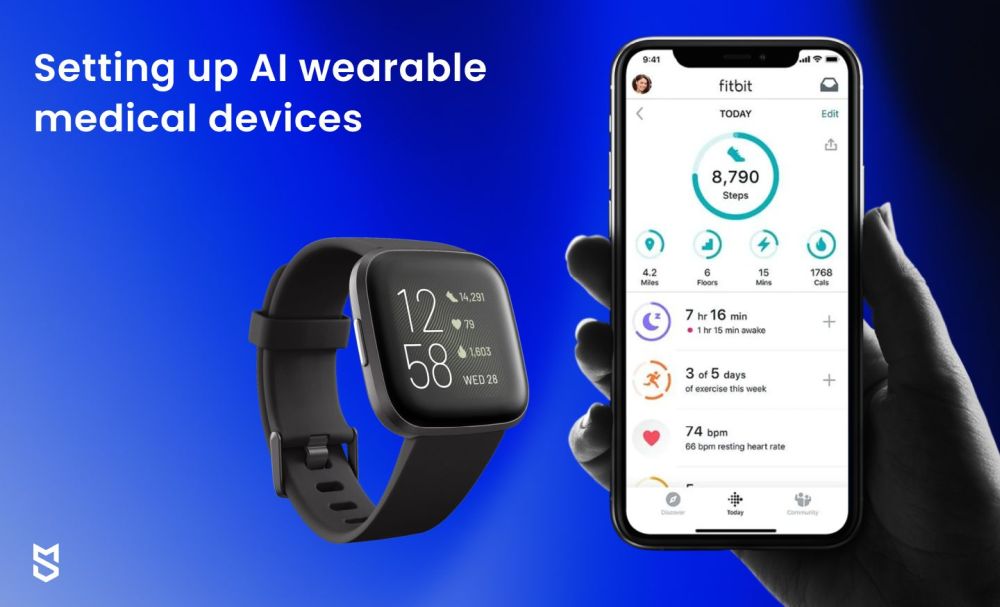
Technology is accelerating this progress at an impressive pace. Modern sensors can capture clinical-grade data with increasing accuracy, while battery life and comfort continue to improve. At the same time, AI-driven analysis transforms raw signals into actionable insights, enabling users and clinicians to spot trends weeks or months before symptoms become serious.
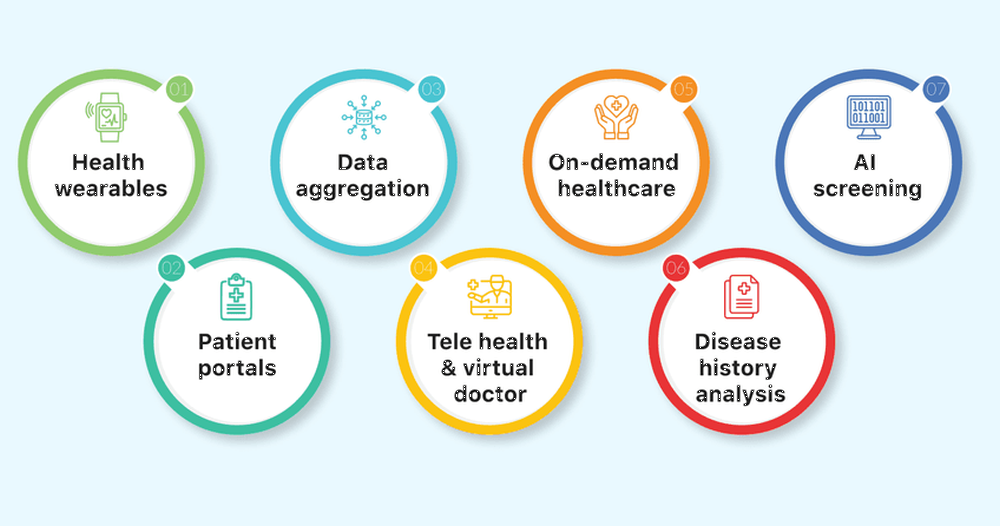
Looking forward, digital health trackers are positioned to become a standard layer of healthcare infrastructure. As remote monitoring expands and personalized medicine gains traction, these tools could help reduce hospital visits, support long-term disease management, and empower people to take control of their health. The numbers point clearly to one thing: this is not a passing trend, but a lasting transformation.

#DigitalHealth #HealthInnovation #WearableTech #FutureOfHealthcare #HealthData