
China is tightening its grip on the future of robotics, and the numbers tell a stark story. New patent data show Beijing now controls more than 60 percent of global humanoid robot filings across the world’s major intellectual property offices, a share that has climbed steadily in just two years. The United States remains a distant second, while traditional manufacturing powers such as South Korea and Japan are seeing their slices of the pie shrink.
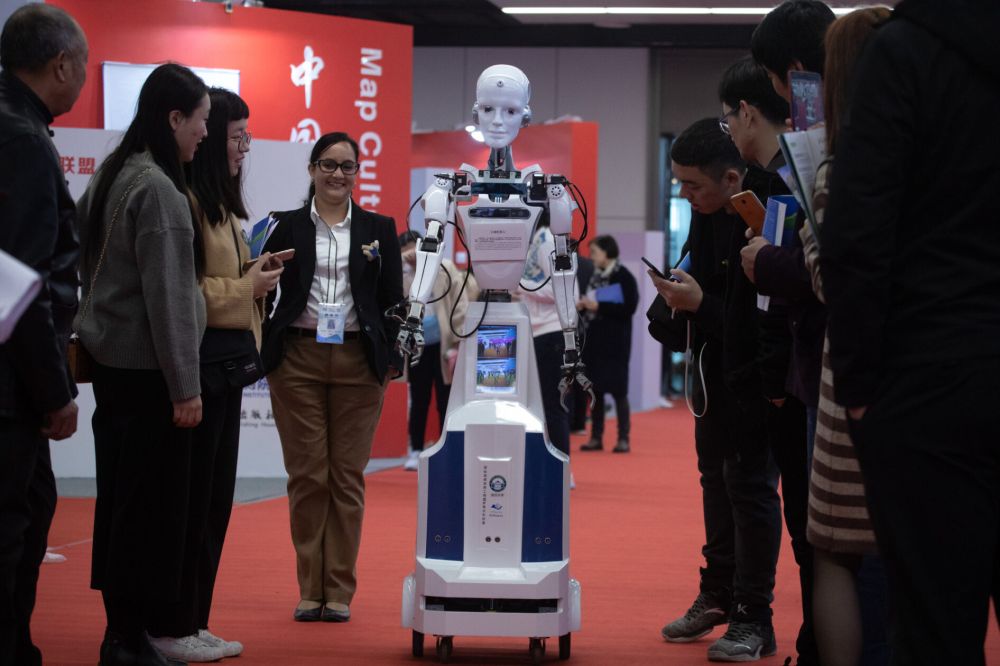
The dominance is not limited to patents alone. In 2025, China installed more than a third of a million industrial robots, accounting for nearly 60 percent of all new deployments worldwide. Factories from electronics assembly to food processing are automating at breakneck speed, driven by labor shortages, government incentives, and a supply chain that can deliver components faster and cheaper than anywhere else.
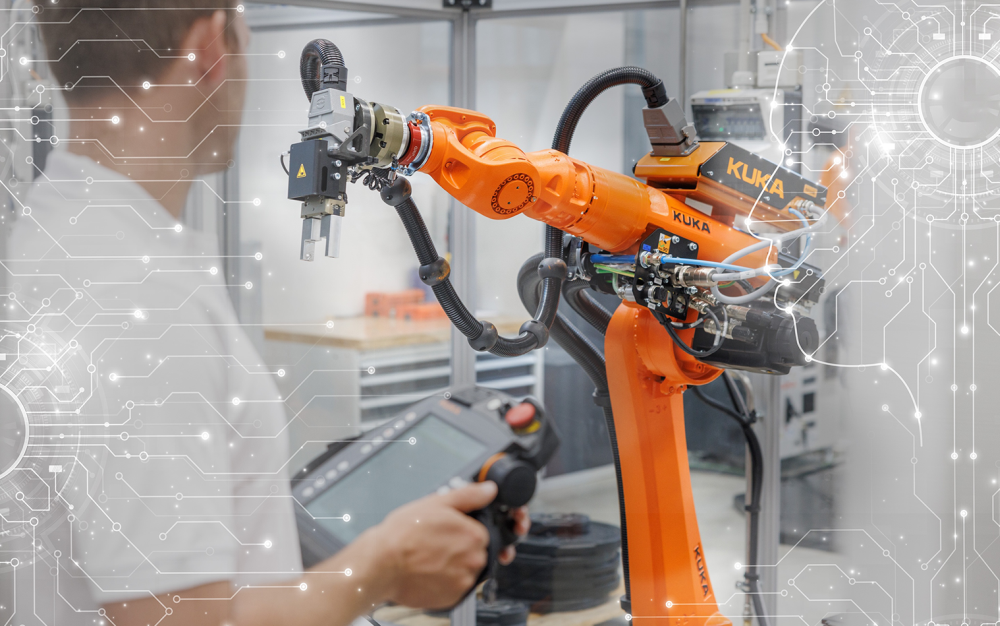
Behind the hardware lies an even more consequential lead in artificial intelligence. Chinese entities now hold roughly two thirds of patents for robot foundation models, the adaptive AI systems that allow machines to learn new tasks without being reprogrammed from scratch. Independent assessments suggest China has closed much of the gap with the US in advanced autonomous manipulation, while competitors warn that even a short delay in innovation could prove irreversible.
Policymakers in Seoul and other capitals are sounding alarms, calling for overhauled research strategies and stronger intellectual property frameworks. Yet China’s integrated ecosystem, spanning chips, sensors, assembly, and cloud training, resembles the playbook that propelled its electric vehicle industry to global leadership. The question now is whether rivals can mount a coordinated response before the technological divide becomes permanent.

#robotics #AI #China #automation #innovation #techpolicy #manufacturing #futureofwork