
Nepal’s government initially insisted it could handle the disaster alone, declaring that foreign search and rescue teams were unnecessary just hours before reversing course under mounting diplomatic pressure. The sudden policy shift came as the death toll from a catastrophic flash flood surged past 570, with nearly 2,000 people still missing across the Himalayan border region. Officials cited an assessment by the National Disaster Management Centre before approving limited specialist assistance from India, China, Australia, and South Korea, while turning down similar requests from the United States, the United Kingdom, Japan, Sri Lanka, and Bangladesh.
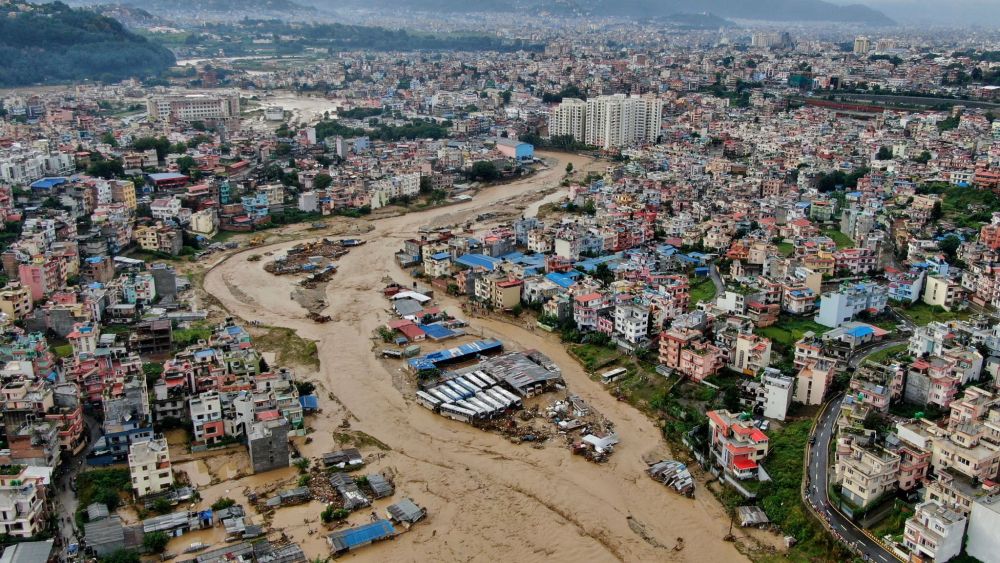
The flood, believed to have been triggered by a glacial collapse near Gyirong on the Tibet-Nepal border, unleashed a torrent of mud, rock, and water that swept through the Bhotekoshi and Trishuli river valleys with devastating force. Rescue operations have been hampered by thick mud and damaged infrastructure, leaving more than 100 workers trapped inside the Upper Trishuli-1 hydropower plant tunnel and dozens of others stranded in remote villages cut off by landslides. On the Chinese side of the border, state media reported that 554 people remained unaccounted for, underscoring the cross-border scale of the catastrophe.
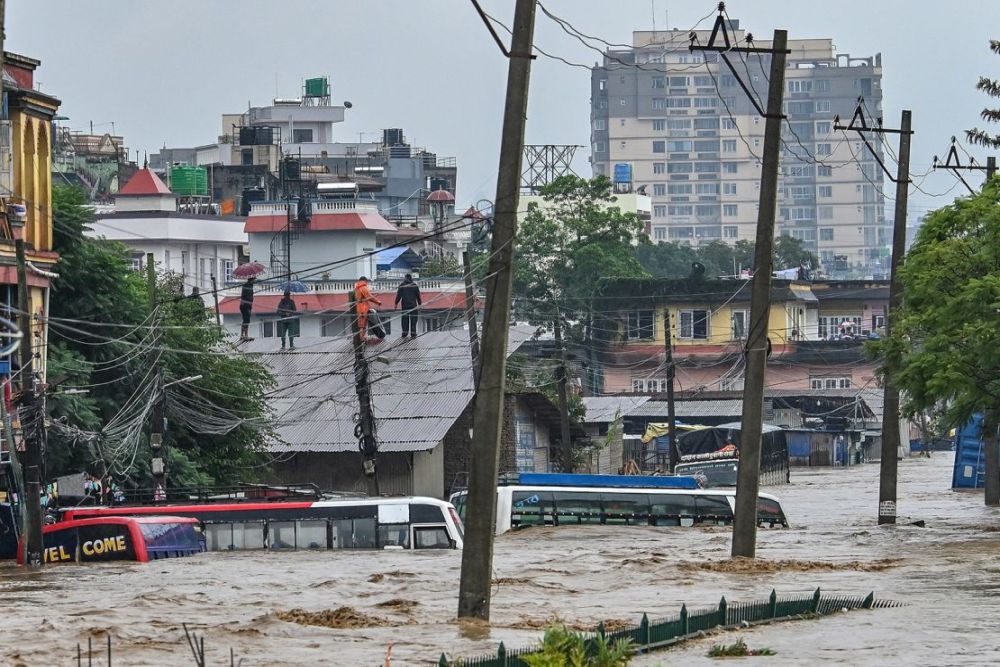
At least 511 foreign nationals were still missing as of Friday, prompting urgent appeals from governments whose citizens had been working on hydropower projects or traveling in the region. Ukraine revised its missing count to 56 after verifying that some individuals on initial lists had not entered the disaster zone, while South Korea deployed locally leased helicopters to search for nine workers from two energy firms. Australia announced a five-million-dollar assistance package and South Korea pledged one million dollars in humanitarian aid, but both nations emphasized that specialized forensic and tunnel rescue expertise was now critical to saving lives.
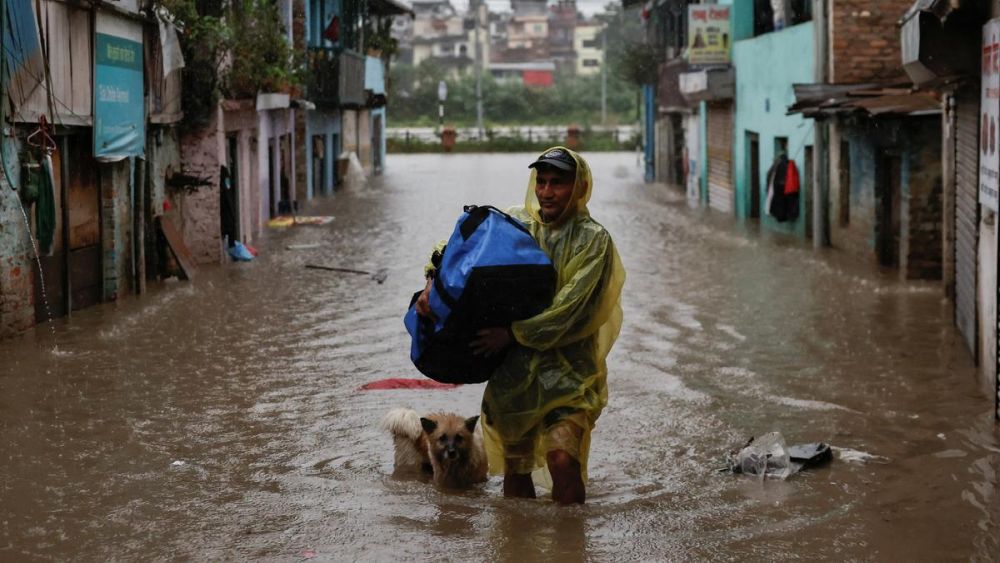
Nepal’s foreign minister acknowledged that the country lacked the capacity to conduct large-scale DNA testing and forensic identification on its own, a gap that international teams would help fill in the coming days. The decision to accept foreign aid, however limited, marks a rare concession for a government that has long guarded its sovereignty over disaster response. As rescue crews push deeper into the affected districts of Rasuwa and Nuwakot, the window for finding survivors narrows with each passing hour, and the true human cost of the disaster may not be known for weeks.

#NepalFlood #DisasterResponse #ForeignAid #HimalayanFlood #RescueOperations #FlashFlood #SouthAsiaNews #HumanitarianCrisis