
Amazon, Google, Meta, and Microsoft are racing to spend a combined $1.5 trillion on data centers and AI infrastructure through 2027, a staggering commitment that has left investors both awed and uneasy. In the second quarter alone, the four giants poured $170 billion into capital expenditures, a 72 percent jump from a year earlier, as each company scrambles to secure enough computing power to meet what they insist is insatiable demand. Yet behind the headlines lie mixed signals: record outlays, negative cash flow for the first time in decades, and a market that is starting to question whether the returns will ever match the risk.
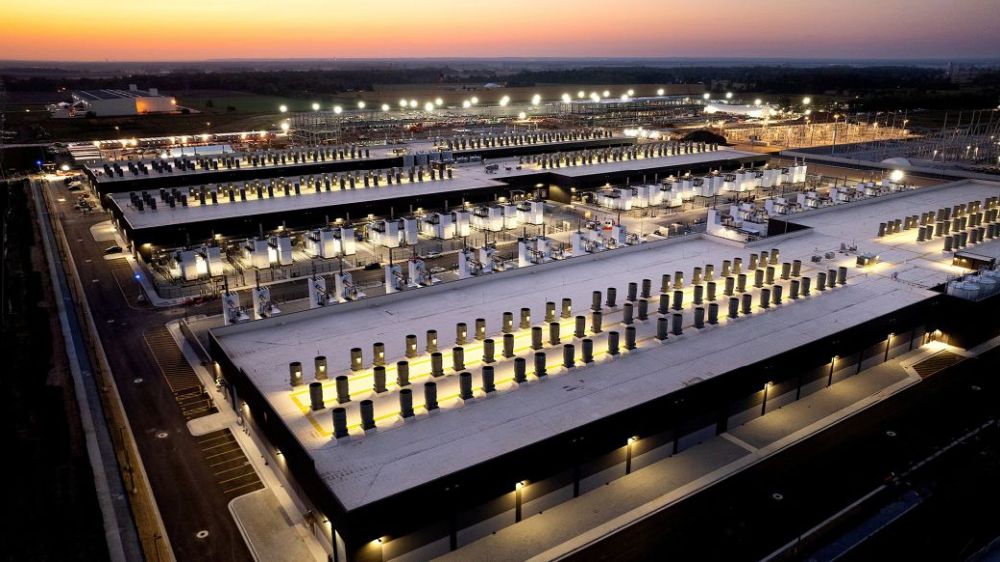
The scale of spending has reached historic levels. Amazon reported $53 billion in capital expenditures for the quarter, up 69 percent, while Meta lifted its full-year forecast to as much as $130 billion. Google raised its own outlook to $205 billion and posted negative free cash flow for the first time since its 2004 IPO. Microsoft, by contrast, held its spending steady and saw its shares surge after beating expectations. The divergence has sharpened investor anxiety, with some rewarding restraint and others punishing aggression, even as all four companies warn that supply still cannot keep up with demand.
Executives defend the outlays as essential to capturing the next wave of AI growth. Mark Zuckerberg told investors that selling off compute capacity for short-term profit would be foolish, while analysts at Bank of America argued that more capacity equals more sales. But internal doubts have begun to surface. At a town hall in early July, Zuckerberg admitted to employees that the pace of progress in AI agent development had not accelerated as expected over the previous four months, a rare crack in the confident public narrative.
The stakes could not be higher. Moody’s has warned that heavy reliance on AI startups for computing contracts risks creating a circular system that may obscure true demand. If the AI boom proves slower to mature than anticipated, the industry could face a painful reckoning after betting trillions on infrastructure that may sit underused. For now, the biggest names in technology are doubling down, hoping that building faster and bigger will keep them ahead in a race where the finish line keeps moving.

#AI #BigTech #DataCenters #TechNews #Investing #ArtificialIntelligence #CloudComputing #MarketAnalysis