Europe is preparing to intervene directly in how companies structure their global supply chains, signaling a decisive shift from market guidance to regulatory compulsion. At the center of this transition is a proposed diversification law that would require firms operating in critical sectors to reduce reliance on any single foreign supplier. While framed in neutral legal language, the policy clearly targets the European Union’s deep and persistent dependence on China, a relationship now viewed in Brussels as strategically untenable.
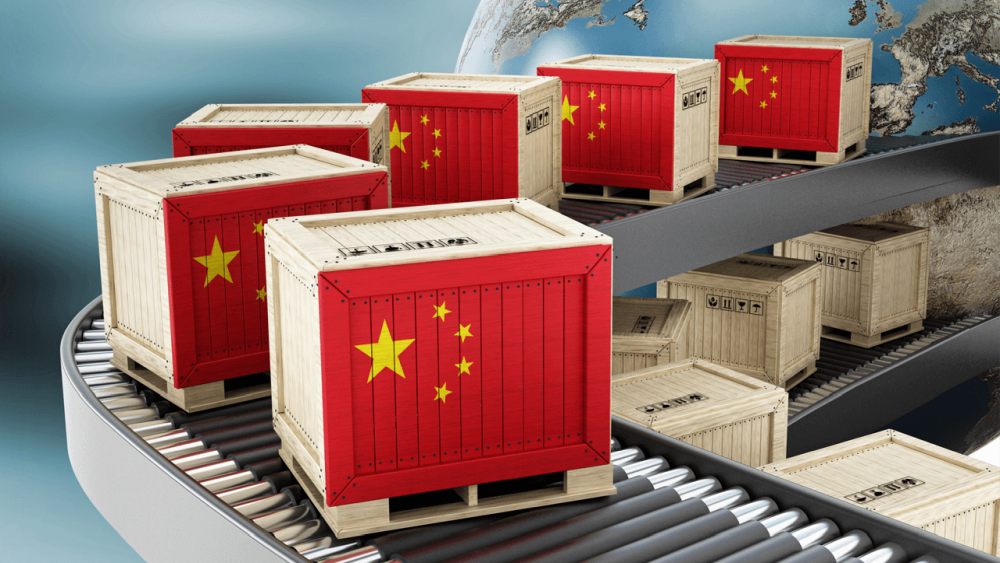
The proposed instrument would impose concrete thresholds, compelling companies to secure multiple sourcing channels for key materials and components. Sectors under scrutiny include semiconductors, rare earth elements, chemicals, and industrial machinery, all of which underpin Europe’s industrial base and technological ambitions. Officials argue that voluntary diversification has failed to produce meaningful change, with many firms still heavily exposed to geopolitical risk through concentrated supply chains.

This push for economic resilience is unfolding alongside a broader recalibration of Europe’s technological sovereignty. The updated Chips Act introduces mechanisms that extend beyond subsidies, including demand aggregation and emergency powers that allow authorities to prioritize production flows during crises. Within this framework lies a more controversial provision that could enable the EU to exclude dominant foreign players such as Nvidia from publicly backed AI initiatives, raising questions about how far Europe is willing to go in reshaping its tech ecosystem.
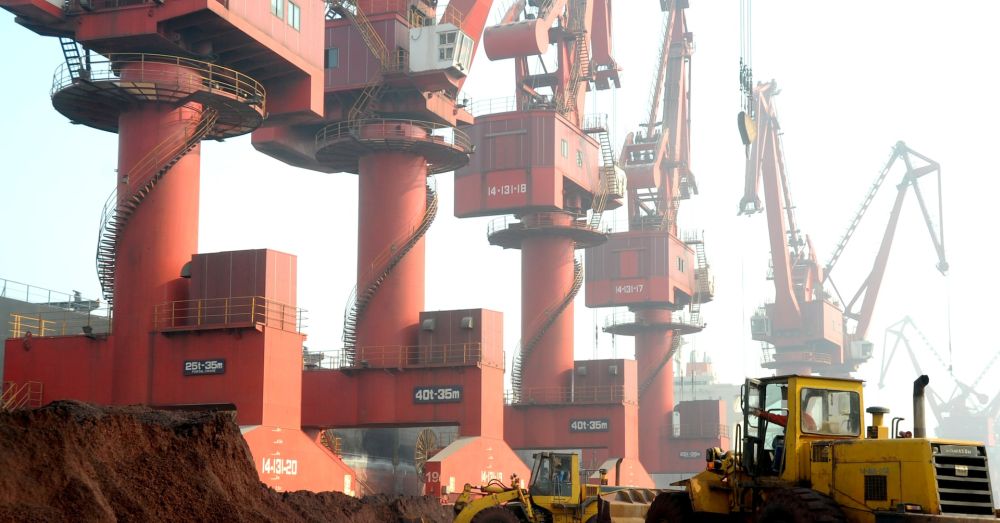
The timing reflects mounting pressure from both sides of the geopolitical spectrum. China’s restrictions on rare earth exports exposed vulnerabilities that Europe had long underestimated, while recent US export controls on advanced chips have fueled concerns about overreliance on American technology. As the proposals move toward legislative negotiation, divisions among member states are likely to surface, particularly among those with strong economic ties to both Washington and Beijing. What emerges will reveal whether Europe can translate its rhetoric on strategic autonomy into enforceable policy.

#EU #China #SupplyChains #Geopolitics #Semiconductors #TechPolicy