Taiwan’s leadership is projecting confidence, but the timing raises questions. As Nvidia’s Jensen Huang arrived in Taipei ahead of Computex, highlighting the immense energy appetite of artificial intelligence, the government moved quickly to reassure both investors and industry that power supply will remain stable through 2032. The message is clear, yet the urgency behind it suggests underlying pressure.
Huang’s remarks cut to the core of the issue. AI is no longer a future industry but an infrastructure race already underway, demanding vast and continuous electricity. His meetings with TSMC and key supply chain figures underscore how deeply Taiwan is embedded in this expansion. With Nvidia preparing a new headquarters in Taipei, the island is not just participating in the AI boom, it is positioning itself at its center.
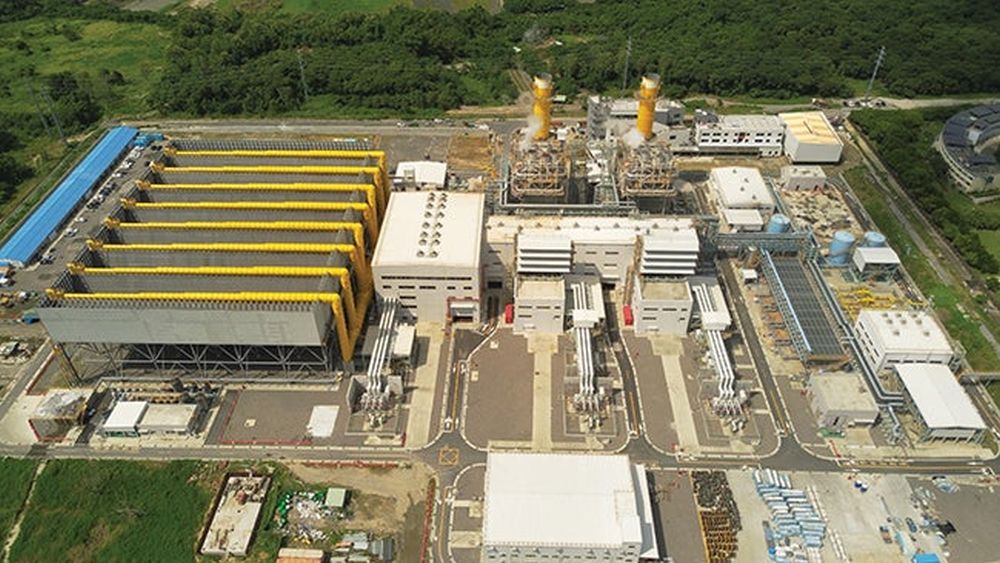
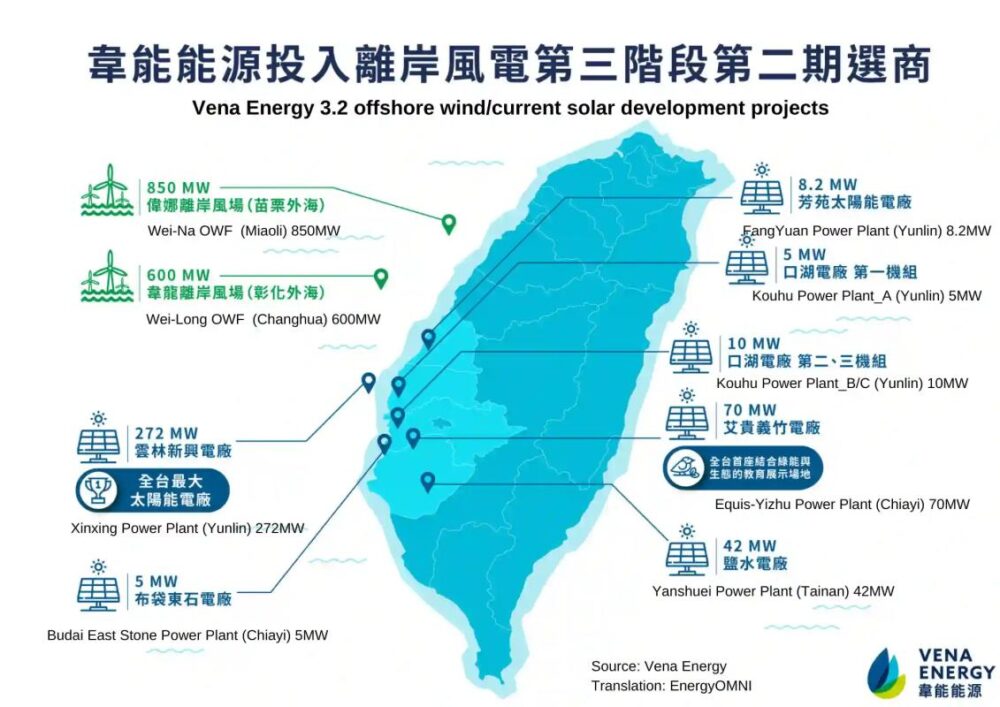
Officials insist the numbers add up. Demand is expected to rise sharply, driven in part by data centers, while planned capacity expansions are meant to outpace it. Renewable energy projects and grid upgrades are being accelerated, and there is even cautious openness to revisiting nuclear power. Still, projections stretching to 2034 rely heavily on execution, not just planning, and that is where skepticism tends to emerge.
At stake is more than energy policy. Taiwan’s broader economic narrative is now tied to AI, with growth forecasts buoyed by semiconductor dominance and global demand. If power supply keeps pace, the island could solidify its role as a critical backbone of the AI era. If not, even small disruptions could ripple through a global supply chain already under strain, turning ambition into vulnerability.

#Taiwan #AIInfrastructure #EnergyPolicy #Nvidia #Semiconductors #TechGrowth