Something extraordinary is unfolding amid the chaos of the Strait of Hormuz blockade. For over six weeks now, Iran has choked off one-fifth of global oil and gas flows, sending energy markets into a frenzy. Nations scramble for survival, but China stands apart, its clean energy factories humming louder than ever. Exports of inverters, the backbone of solar and storage systems, exploded 57 percent in early 2026, with Europe snapping up 83 percent more. Energy storage orders hit record highs, ballooning 144 percent last year and accelerating further. Is this mere coincidence, or does Beijing’s grip on renewables make it immune to fossil fuel shocks?
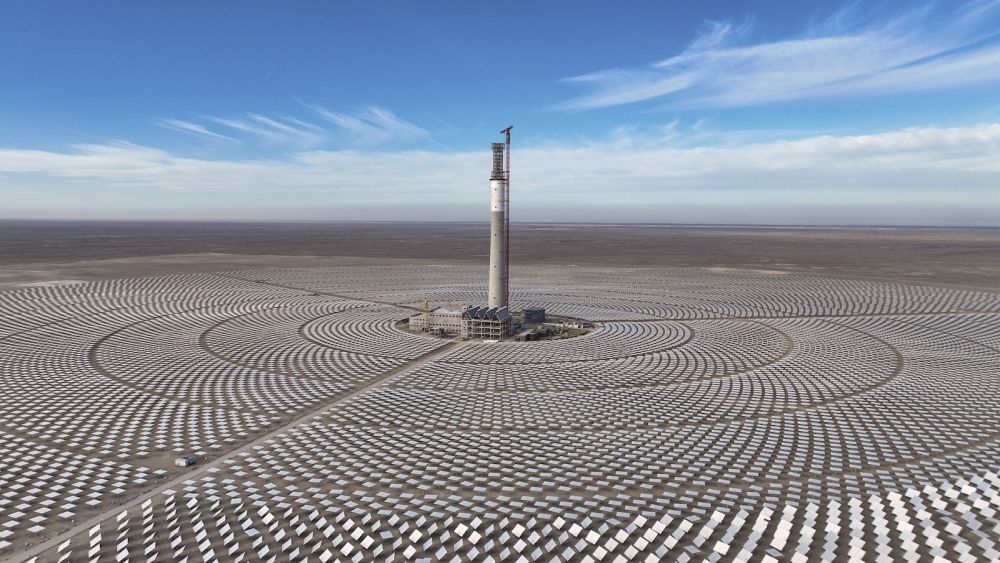
Dig deeper, and the numbers paint a picture of calculated dominance. Clean tech shipments topped 41 billion dollars in the first two months, a 44 percent leap, while autos and semiconductors raced ahead at 67 and 73 percent gains. Overall exports beat expectations by 21.8 percent. Pundits whisper that China’s path to energy security bypasses Hormuz entirely; it flows through electrified grids and battery packs. With 1.4 terawatts of renewables already online, the country commands the solar, battery, and EV supply chains. As tensions mount, from Iranian retaliation to fresh U.S. naval moves, one question lingers: who really holds the power when oil pipelines go dark?
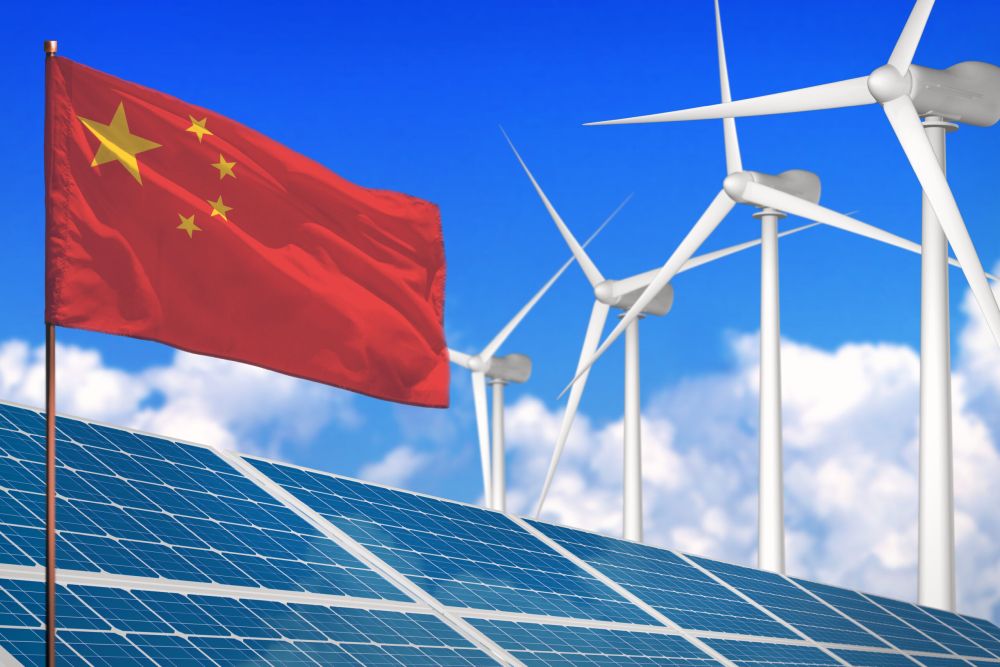
Competitors, meanwhile, stumble in the shadows. Sales of Chinese electric vehicles and panels skyrocket as rivals grapple with delays and outdated grids. Europe eyes 584 billion euros in upgrades by decade’s end, yet permitting snarls and bottlenecks hobble progress. The U.S. pushes its strategies, but the math tells a starker tale: clean vehicles alone sidelined 1.7 million barrels of oil daily last year, dwarfing Iran’s strait-bound flows. Trump’s weekend blockade announcement cranks the pressure higher, nudging the world toward alternatives. China’s factories, not Western policy papers, seem poised to capture the shift. Are we witnessing the birth of an electrostate?
The blockade exposes raw vulnerabilities, but for China, it is opportunity incarnate. While others ration fuel and pray for tankers, Beijing’s supply chains thrive, untouched by chokepoints. Global powers may realign alliances and fleets, yet the real reconfiguration happens in silicon wafers and lithium cells. As the strait remains sealed, watch closely: the nation rewriting energy rules might not fire a single shot.
#HormuzBlockade #ChinaCleanEnergy #Electrostate #EnergyTransition #EVBoom #RenewablesRise