
The global economy is grappling with an escalating crisis, originating from a conflict in the Middle East that has significantly disrupted oil and natural gas flows. This disruption has not only sent fuel prices soaring but has also created a ripple effect, leading to shortages of petrochemicals essential for countless everyday items, from clothing and shoes to plastic bags. As this strain spreads across the consumer market, prices for materials like plastic, rubber, and polyester are on the rise, with Asia, a major manufacturing hub, feeling the impact most acutely due to its reliance on imported oil.
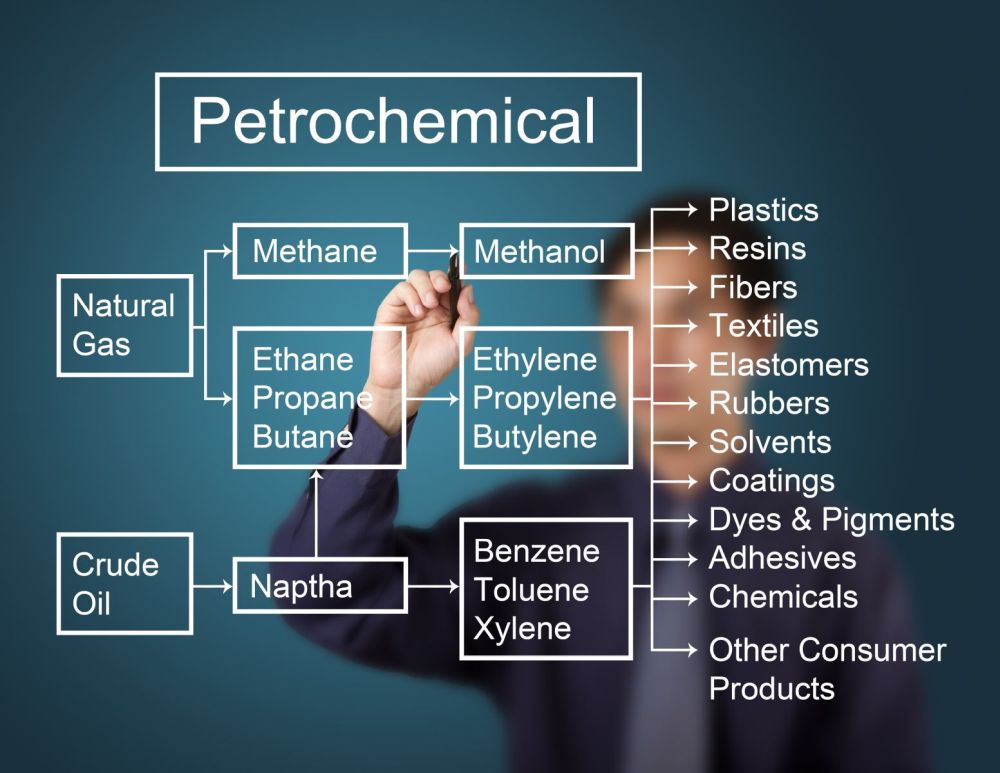
The scarcity of crude oil has precipitated a broader shortage of nearly everything, as the conflict has crimped supply lines through critical shipping routes. This has led to a drastic reduction in global supply, with far reaching consequences. In South Korea, panic buying of trash bags has ensued, while Taiwan faces potential price hikes for rice due to a lack of vacuum-sealed bags. Japan is concerned about a shortage of plastic medical tubes for dialysis patients, and Malaysian manufacturers of medical gloves are facing difficulties due to a dearth of petroleum byproducts. These supply chain issues are quickly transmitting from oil disruptions to petrochemicals and subsequently to a wide array of consumer goods.
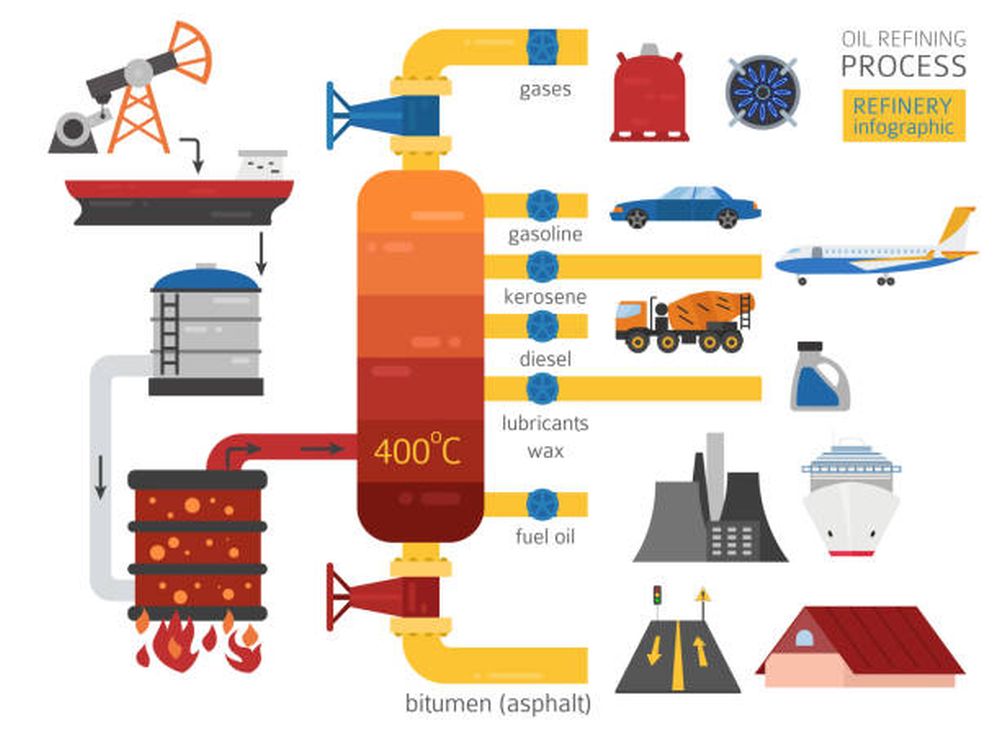
The upheaval in commodities and manufacturing is fueling global inflation and hindering economic growth. Manufacturers are facing increased costs for energy and raw materials, impacting profit margins and driving up consumer prices. Rising fuel expenses are disrupting travel and logistics, while tight supplies of other Middle Eastern commodities, such as fertilizer and helium, threaten to make food and electronics more expensive. Countries are tapping into emergency oil reserves, but a significant factor in the broadening supply crunch is the shortage of naphtha, a critical feedstock for synthetic materials for which few substitutes exist. This has forced some petrochemical companies to cut output or declare force majeure due to limited raw materials.

The escalating crisis, originating from the Middle East, has significant implications for the rest of the world. The region is a major supplier of essential materials like sulphur, helium, urea, and ammonia, which are crucial for industries ranging from semiconductor manufacturing to agriculture. As a result, US farmers are already experiencing higher fertilizer costs, and disruptions are being reported in the production of essential goods like condoms due to shortages in packaging materials and silicon oil. This situation is unfolding as a rolling supply disruption, moving westward and posing a significant challenge to economies with limited capacity to absorb such shocks, inevitably leading to higher prices and slower growth.

#GlobalOilCrisis #SupplyChainDisruption #EconomicImpact #PetrochemicalShortage #Inflation