
The message coming out of JD.com is no longer carefully balanced reassurance but a stark admission of where the company believes the future is heading. Founder Liu Qiangdong has openly stated that robots will eventually replace the company’s vast delivery workforce, a group that numbers around 700,000 people. This is not a distant hypothetical framed in abstract technological optimism. It is a near-term trajectory backed by aggressive investment, rapid deployment, and a growing ecosystem built around autonomous logistics.
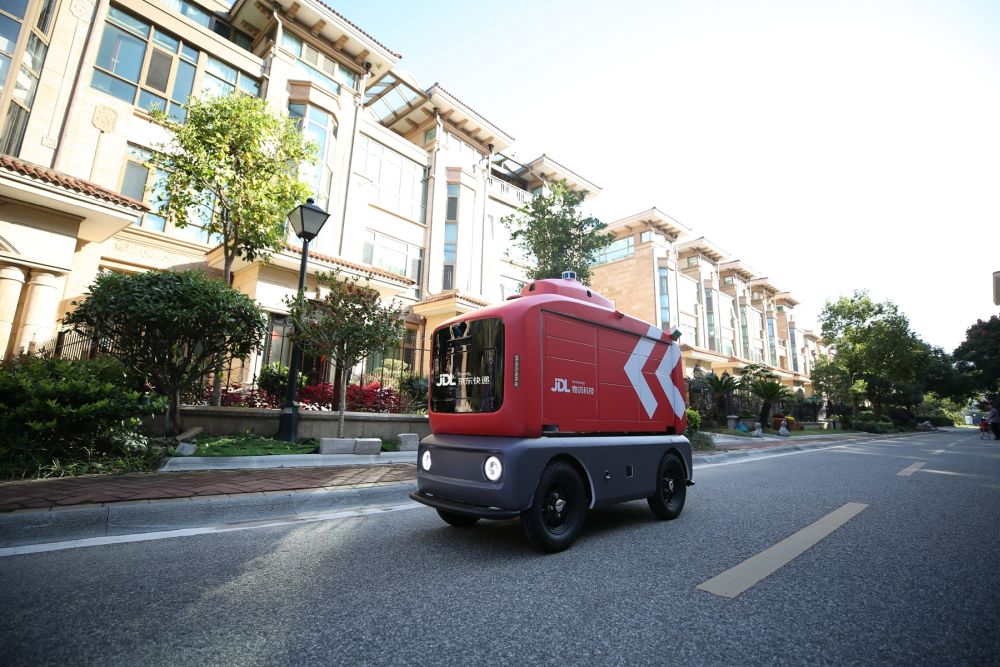
What makes this shift particularly striking is how quickly the narrative has evolved. Only weeks earlier, Liu had publicly committed to protecting frontline workers, promising that automation would not translate into mass layoffs. That pledge now sits uneasily beside the company’s expanding robotics program and the scale of its ambitions. Retraining initiatives and technical education partnerships suggest an attempt to soften the transition, but they also implicitly acknowledge that the traditional courier role is being phased out rather than preserved.

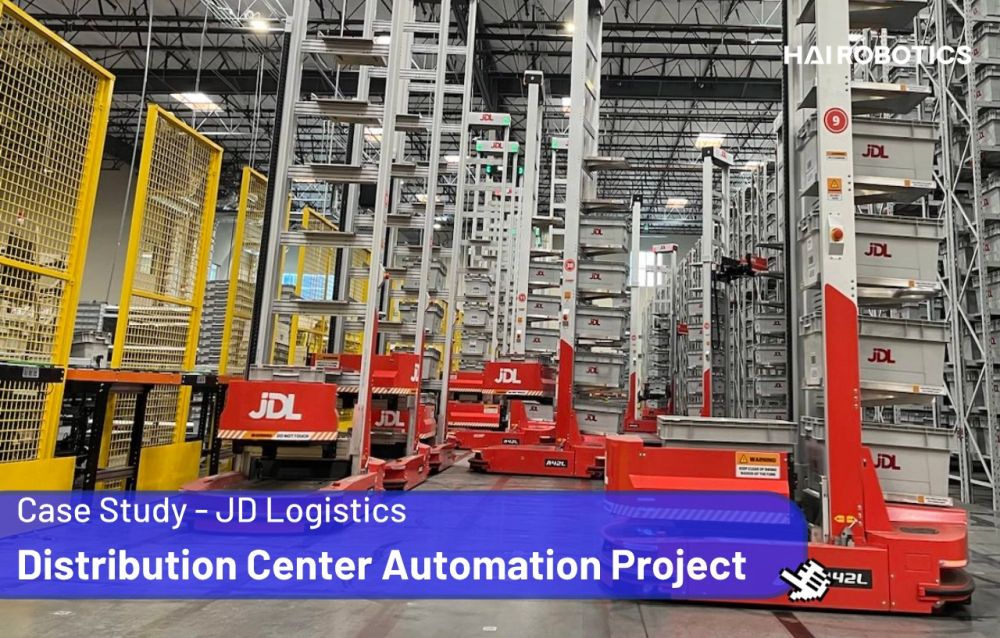
Behind the rhetoric lies an industrial strategy of extraordinary scope. JD Logistics is moving to integrate millions of robots and autonomous delivery vehicles into its network, while simultaneously building datasets through real-world human activity to train increasingly capable machines. The company is not just automating warehouses or last-mile delivery. It is constructing a vertically integrated system where human labor is gradually repositioned as support for machines rather than the backbone of operations.
This tension reflects a broader dilemma unfolding across China’s economy. Policymakers are pushing for leadership in artificial intelligence and robotics while grappling with the social risks of displacing large segments of the workforce. JD.com has become a visible test case of that balancing act. The company’s assurances, warnings, and investments all point in the same direction, raising a question that extends far beyond one firm. When efficiency gains collide with employment realities, who absorbs the cost of progress?

#Automation #JDcom #Robotics #AI #ChinaEconomy #FutureOfWork #Logistics #TechShift