
Chinese automakers are racing toward their first true European smash hit, a car that could anchor their long‑term presence on the continent the way Toyota transformed its fortunes decades ago with a compact, perfectly timed hatchback. Instead of simply exporting Chinese‑market models, brands such as BYD, Chery, and SAIC are now designing vehicles from the ground up for European tastes, focusing on compact size, efficiency, and the plug‑in hybrid niche. With their market share already doubling to 6% in 2025 and even higher penetration in countries like the UK, Spain, and Italy, Chinese brands are betting that a finely tuned product line will turn curiosity into loyalty.
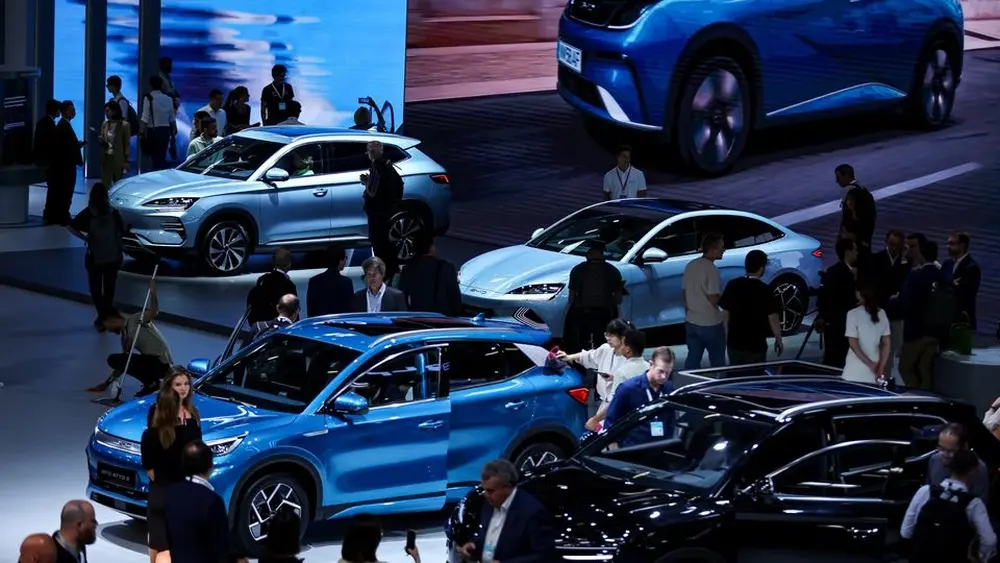
One emblem of this strategy is BYD’s Dolphin G, a plug‑in hybrid hatchback built specifically for Europe rather than adapted from a Chinese sibling. Company executives describe it as the first model truly conceived for European roads, targeting the same segment as the Volkswagen Golf and Toyota Prius. At the same time, manufacturing footprints are expanding quickly: BYD is constructing a passenger‑car factory in Hungary that will start mass production around mid‑2026, while other Chinese alliances are eyeing plants in Spain and ramping up assembly at existing European facilities. These moves signal a shift from import‑based growth to a more integrated, local presence.
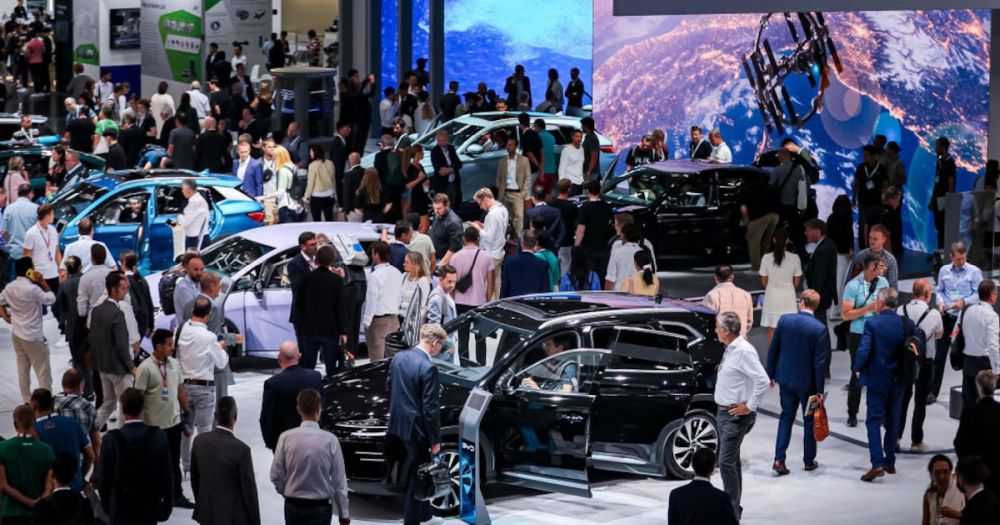
The stakes for both sides are rising. Data show Chinese‑made cars accounted for nearly 6% of the European market in 2025, with projections suggesting almost half of those sales could soon come from local assembly as new plants come online. Analysts estimate Chinese brands could reach 15–25% of the market within four to five years if they sustain momentum and build trust. Surveys indicate roughly every second European consumer is open to buying a Chinese car, but convincing them will require consistent quality, safety, and service. Europe’s regulators and legacy automakers are watching closely, aware that a sustained surge could reshape the entire landscape.
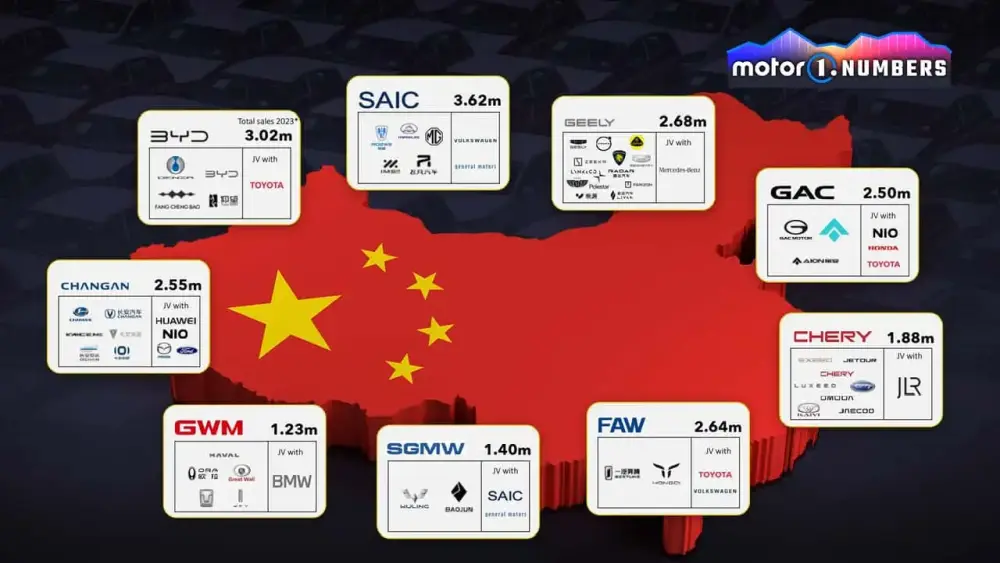
If Chinese manufacturers succeed, they could flood Europe with affordable, tech‑heavy cars that push established brands to innovate faster and lower prices. The risk, however, is that missteps on reliability or cultural fit could slow momentum and invite tougher trade measures. As factories rise and showrooms fill with new Chinese models, the question is no longer whether these brands will play in Europe, but whether one of them can craft that defining breakthrough that convinces European drivers they belong.
#ChineseCars #EuropeAuto #EVMarket #AutoIndustry #BYD