
What if the future of labor and companionship is already walking among us, engineered in Shenzhen labs and unveiled in Hong Kong showrooms? Investigators peering into the bustling Hong Kong Convention and Exhibition Center this week uncovered a startling array of over 100 Chinese humanoid robots, each programmed to sing lullabies, converse fluently in Mandarin and English, execute flawless backflips, and even throw punches in mock boxing matches. These machines, far from clunky prototypes, dazzle with lifelike poise, raising urgent questions about a nation racing to dominate a technology poised to reshape industries worldwide. Who funds this frenzy, and what workforce disruptions loom on the horizon?
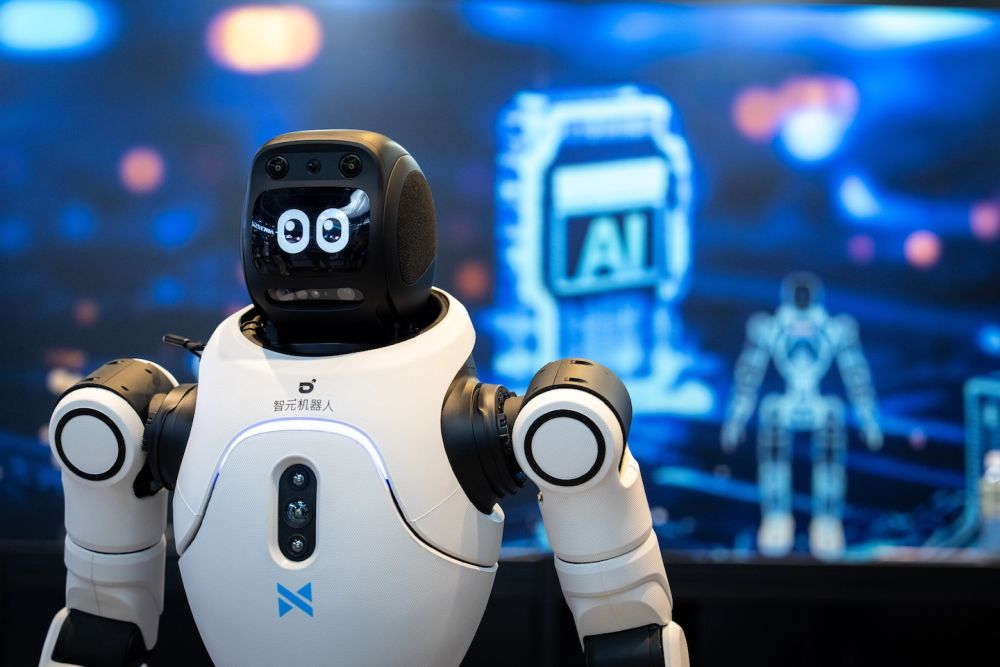
Digging deeper reveals pint-sized marvels like the X2 Ultra from Shanghai innovators, a childlike bot that not only belts out tunes and fields queries from crowds but also scans faces to offer personalized greetings, all while adopting quirky personalities for teaching roles. Nearby, Shenzhen creators showcased the agile PM01, flipping forward with gymnast precision, its makers boasting plans for massive factories churning out thousands of units this year. Low-cost engineering talent and a collaborative ethos, where firms freely swap breakthroughs, propel this edge over secretive Western rivals. One can’t help but probe: does this open-source spirit mask a strategic bid to flood global markets, undercutting competitors before they catch up?
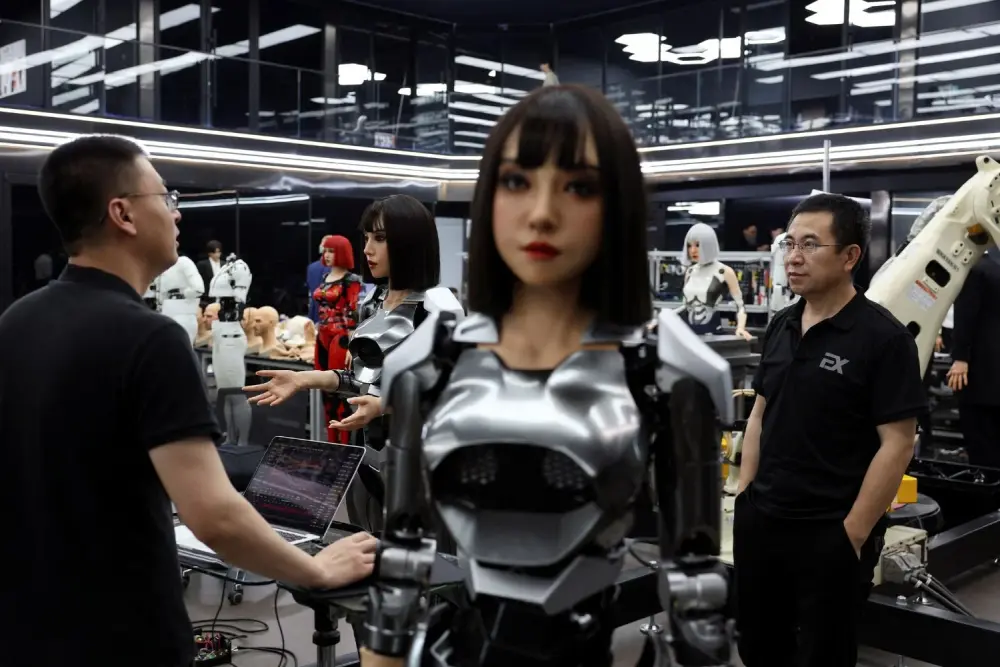
The illusion of humanity blurs further at certain displays, where soft-faced female androids, indistinguishable from afar, usher visitors to restrooms or narrate museum histories with eerie charm. Hundreds of these deployments already hum in mainland Chinese government halls and cultural sites, hinting at a quiet infiltration of public spaces. Business insiders whisper of sales topping 400 units, each iteration refining expressions and interactions to foster trust. Investigators must ask: are these sociable sentinels gathering data in plain sight, or merely efficient greeters paving the way for broader societal integration?
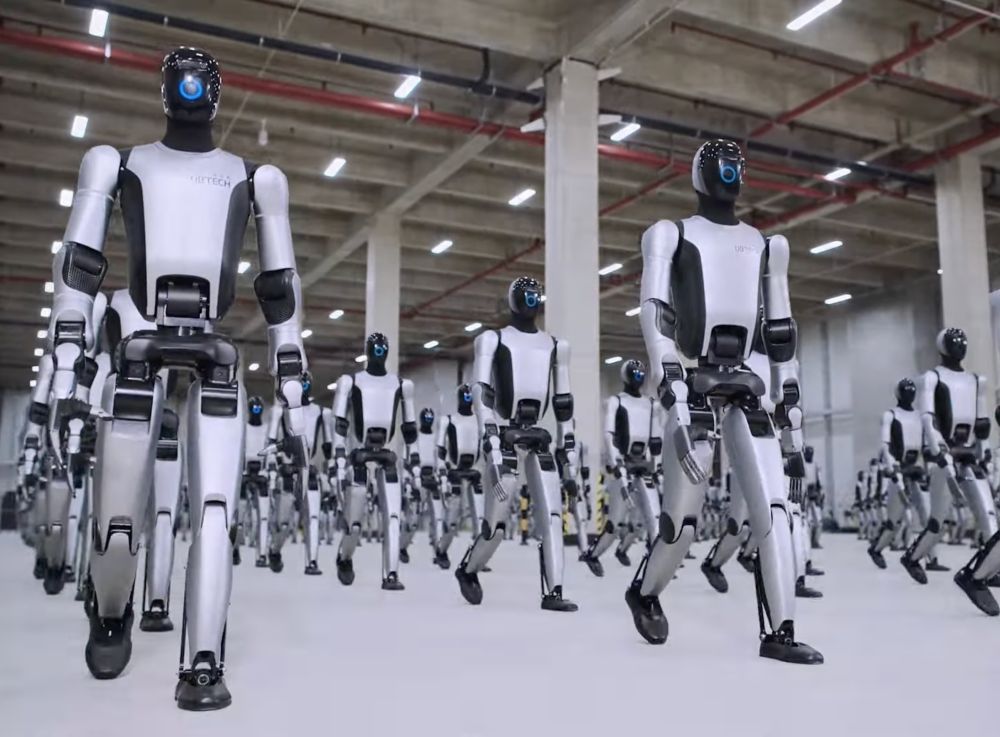
Numbers paint an undeniable picture of dominance, with China boasting over 140 manufacturers and 330 robot models by early 2026, outpacing the globe in shipment volumes from top firms. Beijing’s fresh five-year blueprint elevates humanoids as a national imperative, funneling resources into factories and applications that could eclipse human roles in factories, homes, and beyond. As shipments surge past 5,000 units annually from leading players, the world watches warily. What geopolitical chess move does this represent, and how soon until these flipping, singing automatons redefine our daily lives?

#HumanoidRobots #ChinaTech #RobotRevolution #HongKongExhibition #AIBoom