
Qualcomm’s latest unveiling at Mobile World Congress raises serious questions about the future of wearables. The Snapdragon Wear Elite chip, built on a cutting-edge 3nm process, promises to transform smartwatches, glasses, pins, and pendants into standalone AI powerhouses. With partners like Samsung, Google, and Motorola already on board, is this the moment wearables break free from smartphone dependency? Investigators note the chip’s hexa-connectivity stack, including 5G RedCap and Bluetooth 6.0, suggests Qualcomm is engineering a distributed AI network where devices talk directly to each other.
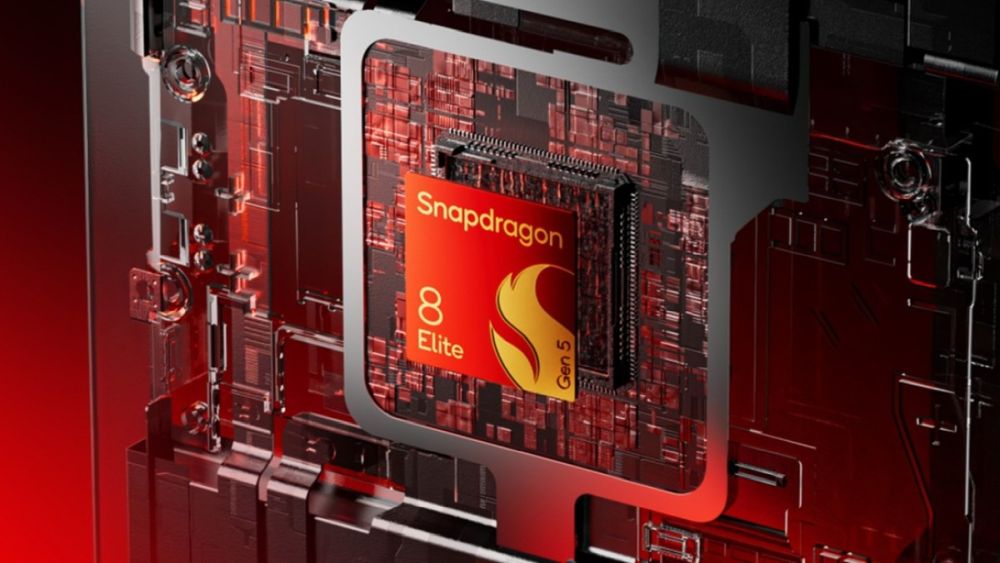
Digging deeper into the specs reveals a five-core CPU blending one high-performance core at 2.1 GHz with four efficiency cores at 1.95 GHz, delivering five times the single-core power of prior generations. The real intrigue lies in the dual NPU setup: a main Hexagon unit handling two-billion-parameter models on-device, and a low-power eNPU for constant background tasks like voice detection. Battery life claims of 30% improvement plus 50% charge in ten minutes sound impressive, but real-world testing will tell if these hold up under the demands of always-on AI.
Connectivity stands out as Qualcomm’s boldest bet. Beyond standard Wi-Fi 6 and ultra-wideband, the inclusion of narrowband satellite for emergency messaging hints at ambitions for rugged, off-grid use cases. Samsung eyes holistic wellness tracking, Google pushes Wear OS evolution, and Motorola teases “Project Maxwell” concepts. This lineup fuels speculation: are we witnessing the birth of a new ecosystem where AI wearables form an intelligent mesh, bypassing cloud reliance entirely?
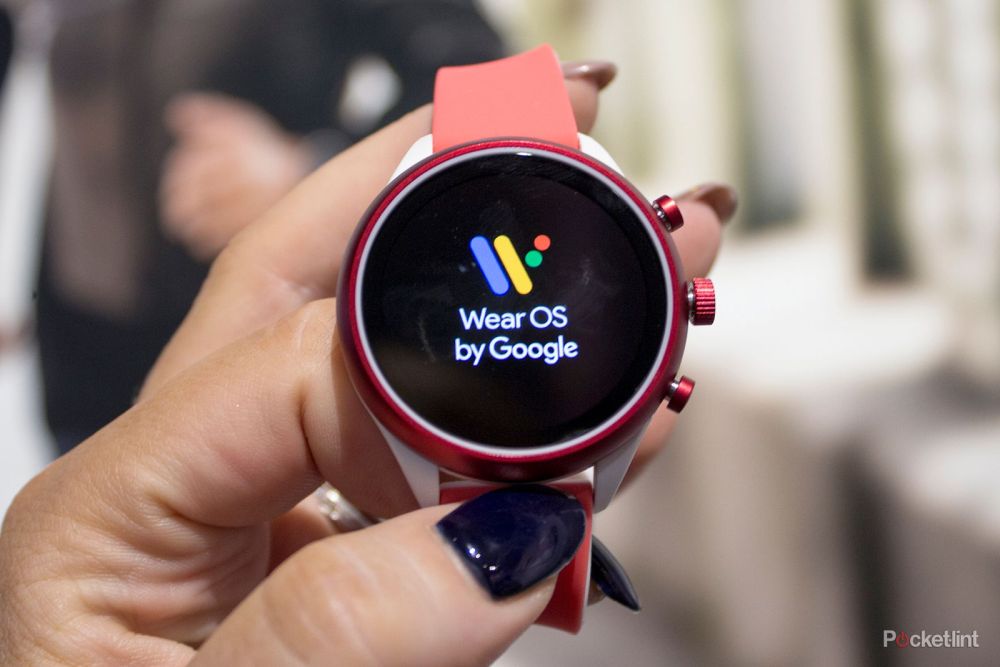
The timeline adds urgency. First devices could ship within months, targeting everything from Galaxy Watch successors to experimental AI pins. Qualcomm frames this as “wrist plus” innovation, supporting diverse OS like Android and FreeRTOS. As prototypes surface, watch for battery drain in extended AI scenarios and privacy risks from edge processing. This chip might redefine personal tech, but only if it delivers on the hype without the usual trade-offs.

#Qualcomm #SnapdragonWearElite #AIWearables #WearOS #MobileWorldCongress