
As the flames of conflict rage through the Middle East, a stark truth emerges about Europe’s energy defenses: some nations stand fortified, while others teeter on the brink of economic peril. Investigators peering into the data reveal France and Spain as Europe’s unlikely bulwarks, their nuclear reactors and sprawling solar farms humming steadily against the storm. The International Monetary Fund has quietly flagged this divide, noting how these countries shield themselves from the gas price inferno scorching the continent. But why do Italy and the UK falter so badly? Dig deeper, and the answers lie buried in decades of policy choices and infrastructure bets gone awry.
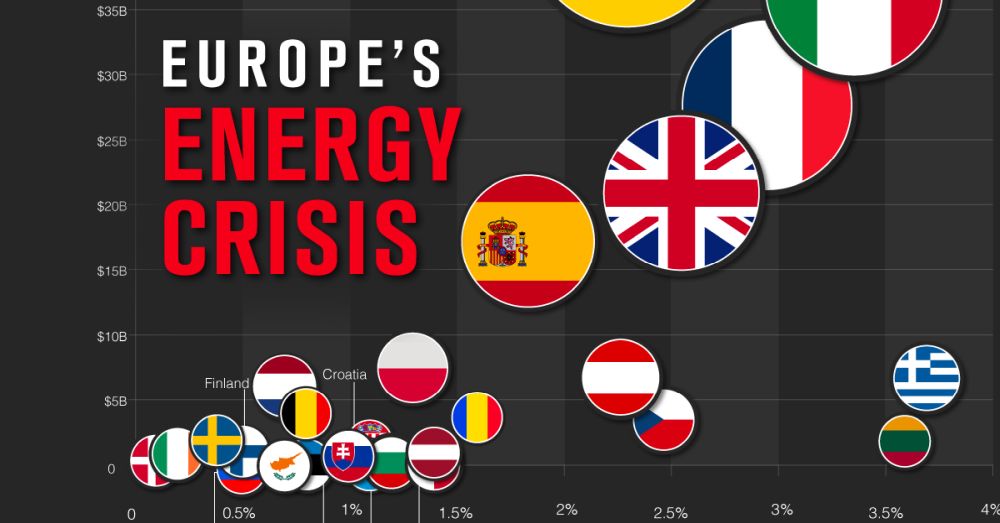
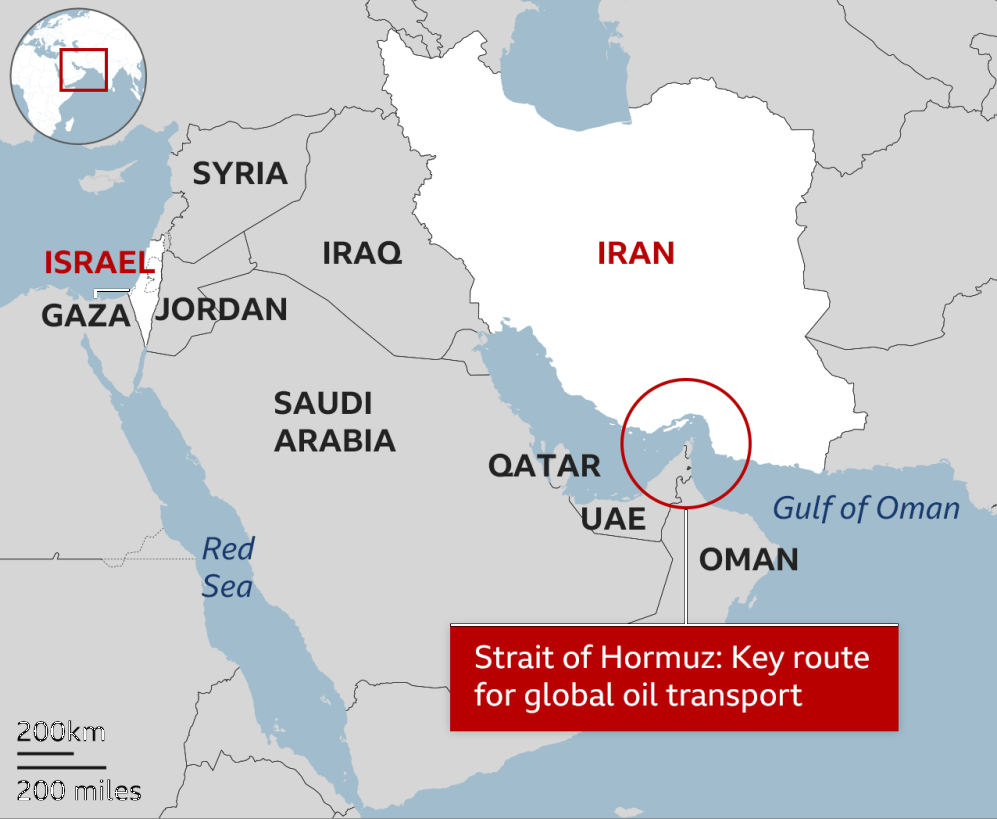
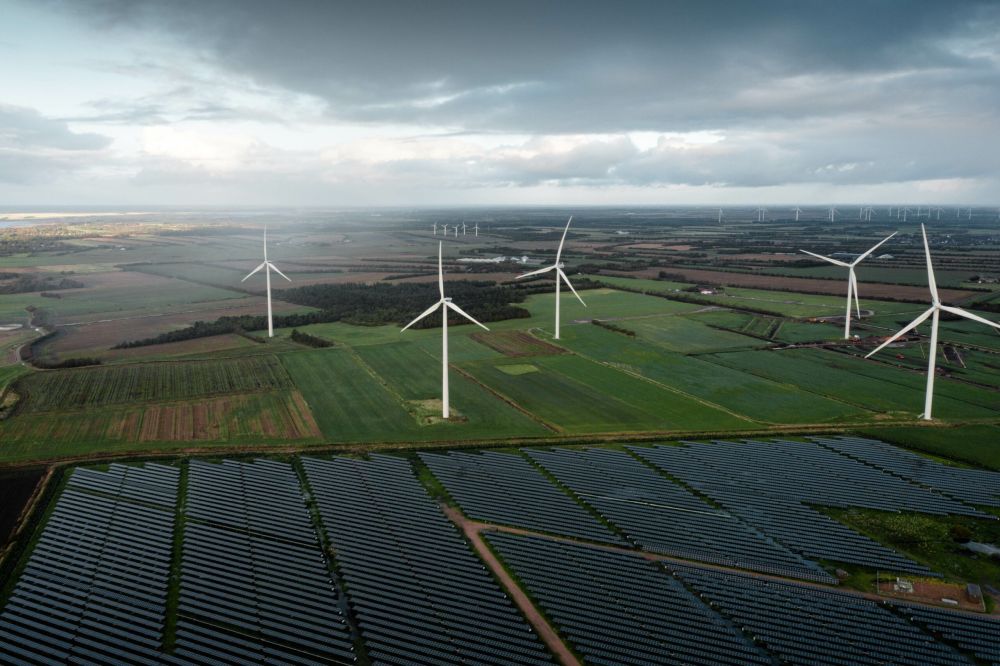
At the heart of the chaos pulses the Strait of Hormuz, that narrow chokepoint where one fifth of the world’s liquefied natural gas and nearly a third of its oil squeeze through daily. When tensions erupted in early March, gas futures on key European exchanges rocketed sixty percent, from thirty euros to over fifty per megawatt hour. France, powering sixty five percent of its grid with nuclear might, shrugs off the volatility and even exports surplus electricity to neighbors in need. Spain, meanwhile, rides the winds and sun with aggressive renewables investment, keeping its lights on without bowing to the LNG crunch. Investigators question: how did southern Europe pivot so decisively while northern peers clung to fossil fuels?
The economic tremors ripple far beyond pipelines, acting like a brutal tax on every household and factory. Inflation forecasts now spike across the eurozone, with Spain hitting three point three percent and Germany two point eight by March’s end, fueled by the relentless energy squeeze. The IMF hints at withheld growth revisions due April fourteenth, but whispers of balance of payments aid already circulate among vulnerable members. Probing further, one sees the human cost: factories idling, bills doubling, and policymakers scrambling. Yet France’s insulated grid offers a glimmer, prompting hard questions about why others did not follow suit sooner.
What shadows loom next? Fund leaders warn a ten percent energy price surge could drag global growth by a fifth of a percentage point while stoking inflation worldwide. With talks of emergency lending underway, Europe faces a reckoning. Investigators urge scrutiny: will this crisis finally shatter the complacency, forcing a unified push toward energy independence? Or will the divide widen, leaving the gas-dependent to bear the brunt as the world watches?

#EnergyCrisis #EuropeDivide #MiddleEastConflict #GasVulnerability #EconomicFallout