Alibaba, ByteDance, and Tencent are quietly negotiating with homegrown Chinese chipmakers to secure vital memory supplies as a brutal global shortage grips the industry. These tech behemoths, once reliant on foreign giants, now turn inward amid skyrocketing demand for DRAM and NAND flash that shows no signs of easing. Investigators peering into supply chain whispers reveal the pressure mounting: even pleas to Samsung and SK Hynix for extra allocations fall short. What drives this urgent pivot? A perfect storm of AI hunger and geopolitical walls is forcing China’s digital powerhouses to bet big on their own.
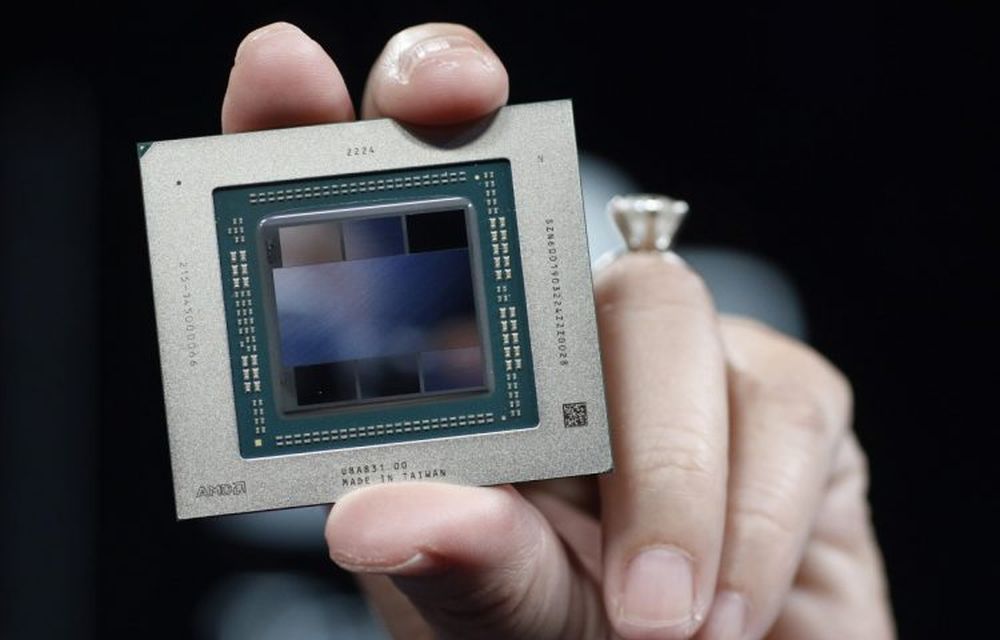
The crunch defies quick fixes. Memory prices are exploding, with DRAM contracts poised for 90 to 95 percent jumps this quarter alone, and NAND not far behind at 55 to 60 percent. Forecasts paint a grim picture, with shortages potentially dragging into 2027. Why? The big three, Samsung, SK Hynix, and Micron, hoard capacity for high-end AI memory, leaving everyday server and device needs starved. Chinese firms, scrambling to fuel their massive data centers, uncover a stark truth: foreign supply chains are buckling under the weight of unchecked AI expansion.
Enter China’s memory underdogs, ChangXin Memory Technologies and Yangtze Memory Technologies Corp, seizing the moment with aggressive expansions. CXMT, already serving Alibaba and others, boasts DDR5 prowess and HBM samples for AI players like Huawei. YMTC closes the gap on NAND tech while eyeing DRAM lines in new mega-fabs. These moves aren’t just opportunistic; they’re survival plays backed by Beijing’s push for self-reliance, now hitting 35 percent in equipment independence. But can these challengers deliver quality at scale before the crisis peaks?

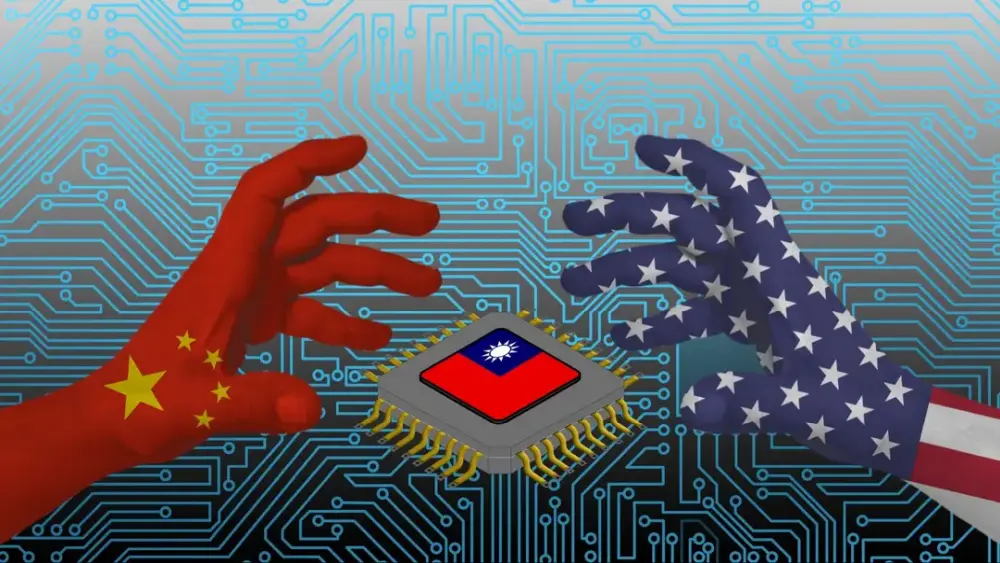
Geopolitical fires fan the flames. U.S. curbs block cutting-edge tools for advanced memory, prompting China to halt Nvidia buys and prioritize locals. As tensions simmer, Alibaba and peers calculate the risks: lag behind on specs but stay operational, or gamble on strained global lines? The shift signals a seismic realignment. China’s tech titans aren’t waiting for permission; they’re building their fortress, one chip at a time, in a world where memory isn’t just silicon, it’s sovereignty.

#MemoryCrunch #ChinaTech #ChipSelfSufficiency #AIHardware #SemiconductorShift