As Iran’s war drives oil to $120 a barrel and shakes global markets, China stands remarkably steady. The CSI 300 Index barely budged, down just 0.1 percent, while neighbors like Japan, South Korea, and India plunged 7 to 10 percent. Europe lost 5 percent, and U.S. stocks shed 1.4 percent. What hidden buffers make China an investor haven amid this storm? Investigators uncover a decade of calculated moves shielding Beijing from energy shocks.
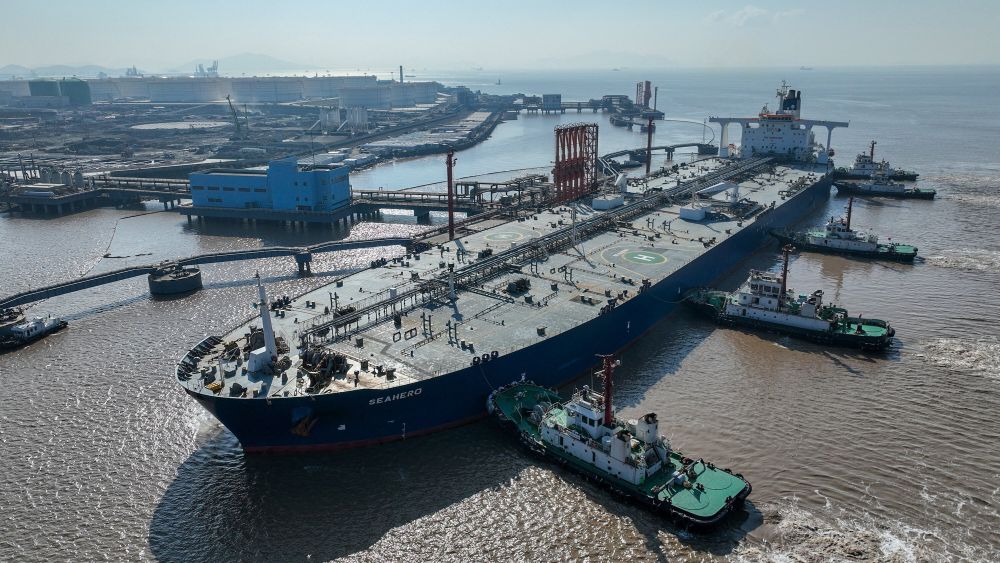
Dig deeper, and China’s preparation reveals itself in massive stockpiles. Strategic and commercial reserves now top 1.4 billion barrels, dwarfing America’s and covering six months without Middle East oil. Tankers loaded with cheap crude from sanctioned sellers idle off the coast, ready to unload. The latest five-year plan pushes reserves higher while keeping production at 4 million barrels daily. Electric vehicles, now over half of new car sales, slashed gasoline needs by hundreds of thousands of barrels last year alone. Is this foresight or fortress building against global turmoil?
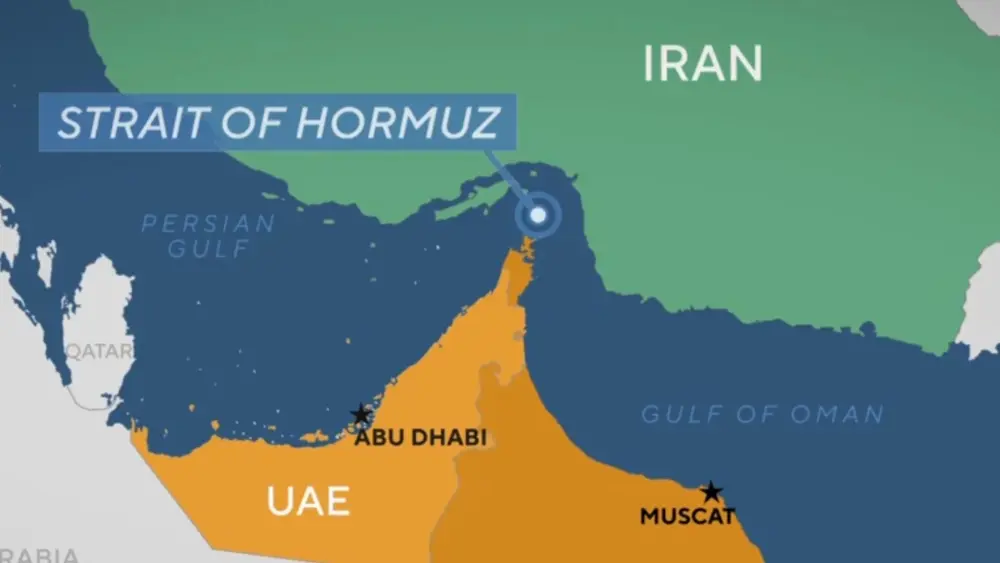
Markets tell the tale of this insulation. The yuan holds firm against a rising dollar, outshining Asian peers. Bond yields twitch minimally, unlike sharp U.S. jumps. Energy stocks soared 8 percent, solar firms like one Shanghai giant up 11 percent. Experts whisper China shrugs off Strait of Hormuz risks better than rivals, thanks to Russian pipelines and Central Asian routes cutting maritime dependence to 40 to 50 percent. But how long can this edge last before cracks appear?
Caution lingers in the shadows. Weak spending, a property slump, and tight fiscal reins drag sentiment. This year’s growth target hits a 35-year low, hinting at ammo hoarding for worse times. Not every voice cheers a full rally; some push selective bets over blanket optimism. Yet if conflict festers, China’s domestic anchors could shine brighter. One strategist probes: does this mark selective strength or a broader pivot in a fracturing world?

#ChinaOilHaven #EnergySecurity #MarketResilience #EVRevolution #GeopoliticalEdge