
The idea of the Chinese renminbi rising to challenge the dominance of the US dollar has circulated for years, often dismissed as premature. Yet recent signals suggest something more deliberate is unfolding. China appears to be building a long-term framework aimed at increasing global reliance on its currency, not through sudden disruption, but through steady expansion in trade, finance, and diplomacy.
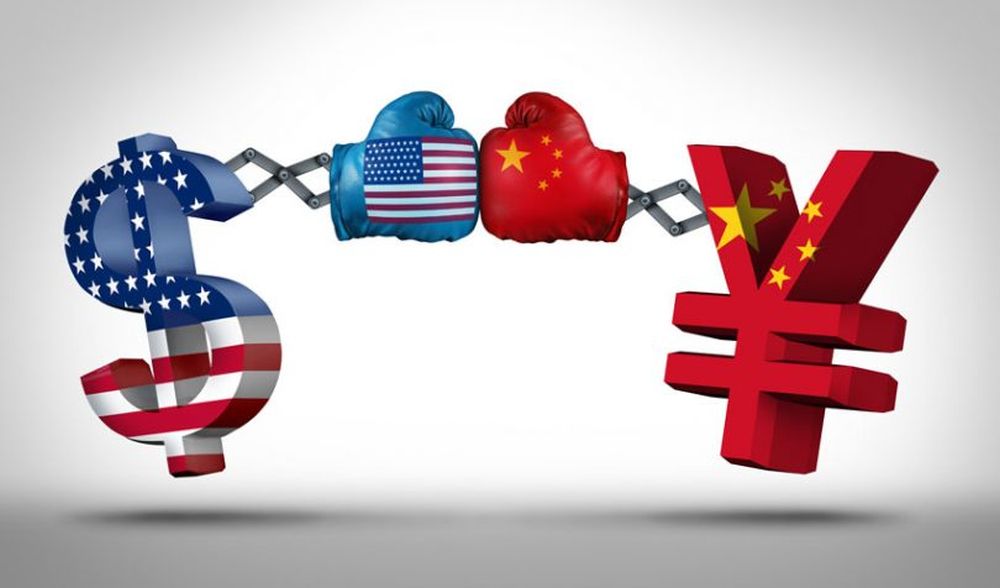
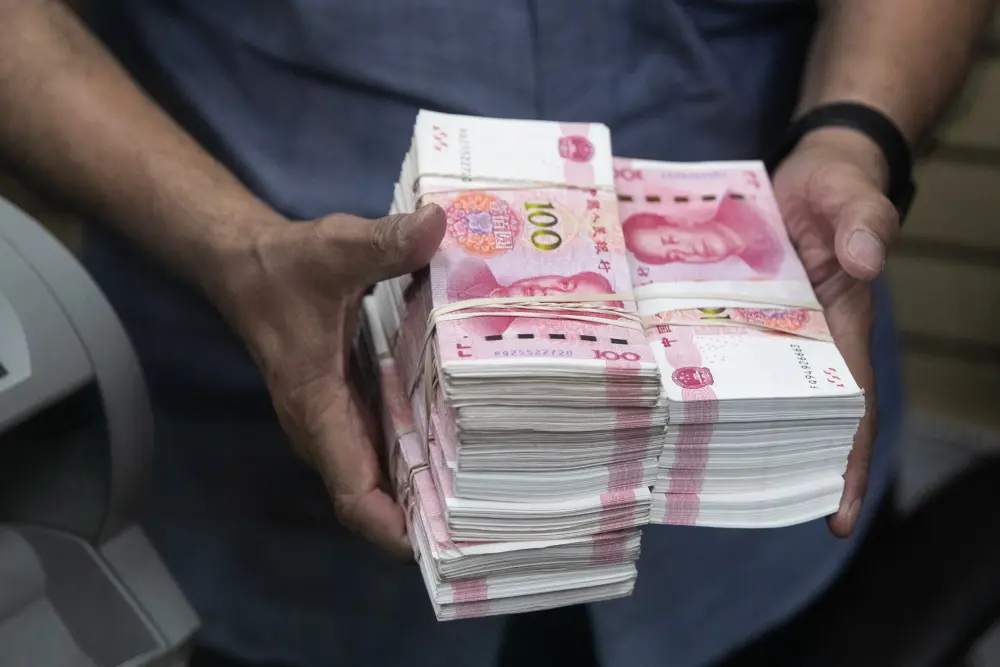
At the center of this effort is a simple question: what does it really take for a currency to become a reserve standard? Economic size alone is not enough. Trust, accessibility, and deep financial markets play a decisive role. China’s leadership seems aware of this reality and has been quietly reinforcing institutions, promoting cross-border trade settlements in renminbi, and encouraging partner nations to hold more of it in reserves.
Still, the path forward is not smooth. The renminbi remains tightly managed, and capital controls continue to limit its flexibility. For central banks and investors, this raises concerns about transparency and freedom of movement. While some countries are gradually increasing their exposure, many remain cautious, weighing political risk against financial opportunity.
What makes this shift worth watching is not speed, but persistence. China does not appear to be trying to replace the dollar overnight. Instead, it is laying the groundwork for a parallel financial reality where the renminbi becomes harder to ignore. If the trend continues, the global monetary system may not fracture dramatically, but slowly evolve into something more balanced and less predictable.

#Renminbi #ChinaEconomy #GlobalFinance #ReserveCurrency #Geopolitics #USDollar #Trade #Economics