Something seismic just shifted in the world’s auto industry. Stellantis’s latest financial disclosure has etched a historic first into the record books: three Chinese powerhouses, BYD, SAIC Motor, and Geely Holdings, now occupy spots in the global top 10 sales rankings for 2025. Toyota clings to its sixth straight year at number one with 11.21 million vehicles sold, but the leaderboard below tells a story of relentless ascent from the East. BYD vaults to sixth at 4.602 million units, edging out Tesla in pure electric sales. SAIC and Geely leapfrog Ford and Honda, while Nissan tumbles out entirely after a dismal 4.4 percent drop to 3.2 million. What hidden engines are propelling this Chinese surge, and why are traditional giants suddenly faltering?
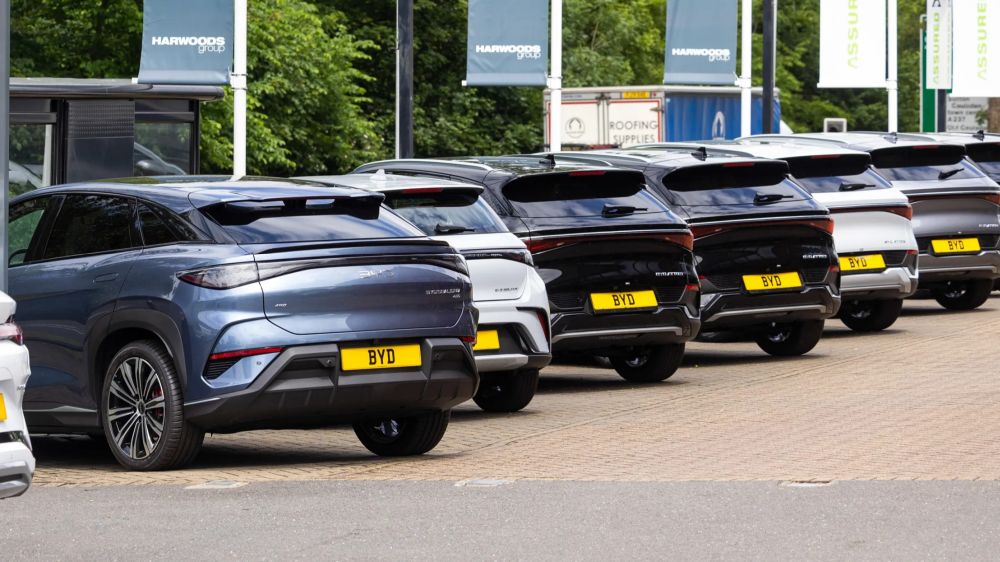
Dig deeper, and the reshuffle reveals stark contrasts. Volkswagen holds second at 8.68 million, Hyundai-Kia third with 7.27 million, and GM fourth at 6.18 million. Stellantis rounds out the top five despite a staggering €22.3 billion net loss from its overhaul. BYD’s secret weapon? A 27.9 percent surge in battery electrics to 2.257 million units, fueled by 145 percent growth in overseas markets hitting 1.05 million. Geely smashes past 4 million for the first time, up 26 percent, with new energy vehicles claiming 56 percent of its mix. SAIC posts 4.507 million, a 12.3 percent gain where homegrown brands like MG and Wuling dominate 65 percent. Investigators can’t ignore how these firms are rewriting the rules while Japanese stalwarts bleed market share.
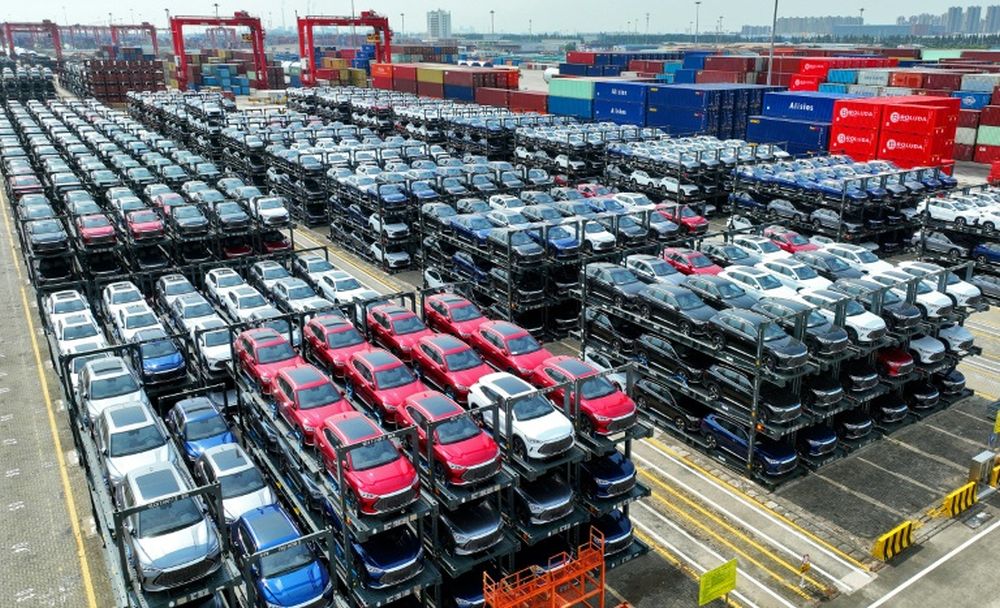
Follow the money trail back to China, and the picture sharpens. The domestic market ballooned to 35.6 percent of global sales, up from 34.2 percent, with production and sales both topping 34 million units. New energy vehicles crossed 50 percent of passenger car sales for the first time, turbocharged by state-backed incentives. Scrappage and trade-in schemes spurred 11.5 million replacements, nearly 60 percent going electric. These aren’t accidents; they’re engineered ascents, propping up BYD’s domestic dominance and export ambitions. Meanwhile, Honda craters 9.2 percent to 3.46 million across Asia and North America, Nissan shutters plants and slashes jobs. Is this the dawn of a new auto empire, or a bubble waiting to burst under subsidy scrutiny?
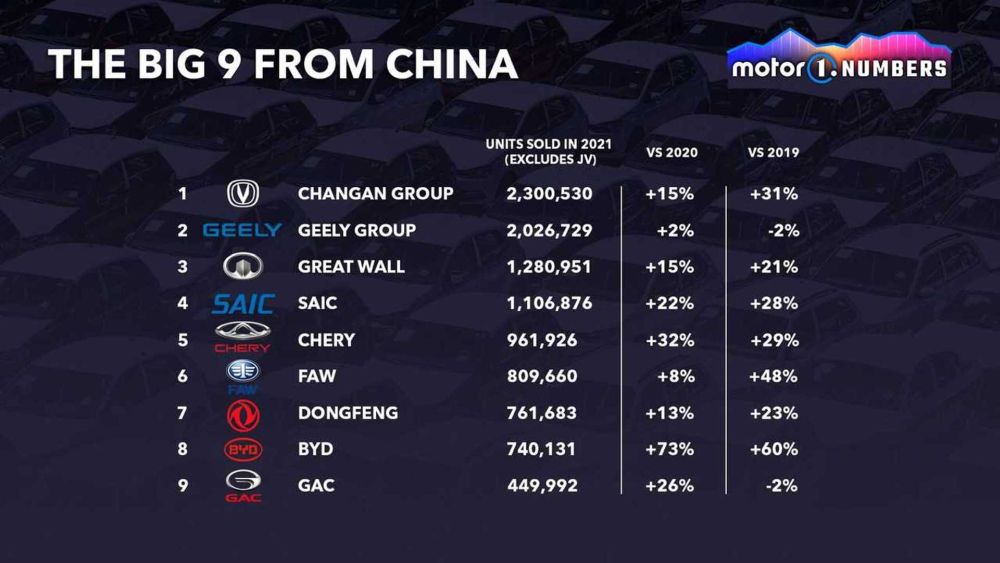
The implications ripple far beyond rankings. Chinese brands aren’t just flooding home turf; they’re infiltrating Europe, Southeast Asia, and beyond, challenging incumbents on price, tech, and green credentials. Traditional players face existential questions: adapt to the EV tidal wave, or watch their empires erode? As investigators peel back the layers, one truth emerges. The 2025 leaderboard isn’t a snapshot; it’s a warning shot. The center of gravity in autos has irrevocably tilted eastward.
#AutoRankings #ChineseEV #BYDRise #GlobalAutos #2025Sales