
China has shattered expectations, surpassing fossil fuels in clean energy capacity for the first time—a seismic shift that positions it alongside global leaders like Brazil and France. But peel back the layers, and a troubling contradiction emerges: while solar and wind installations explode to record highs, coal construction marches on unabated. Is this a genuine green revolution, or a carefully orchestrated facade masking deeper vulnerabilities?
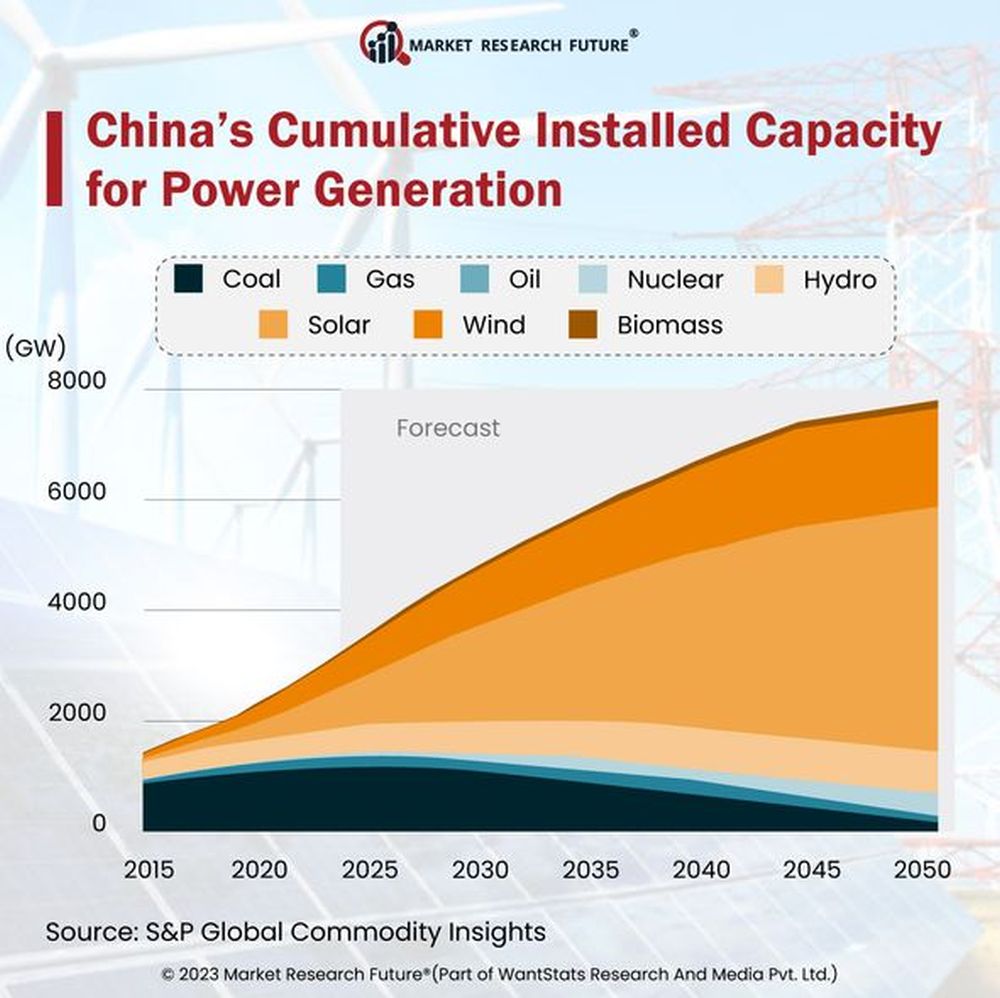
Dig deeper, and the numbers tell a stark tale. Total power capacity hit 3,890 gigawatts last year, with solar surging 35% to 1,200 GW and wind climbing 23% to 640 GW. Newly installed renewables topped 430 million kilowatts, pushing non-fossil sources to 47.3% of the mix—eclipsing thermal power. Projections whisper that solar alone could overtake coal by year’s end, with clean energy potentially dominating 63% of the grid. Yet, these triumphs feel hollow when juxtaposed against the coal behemoth lurking in the shadows.
What explains this duality? Investigators uncover a coal pipeline swollen to 291 GW under construction, with 78 GW commissioned in 2025 alone – the decade’s peak. Proposals for new and reactivated plants hit a staggering 161 GW, revealing local governments and utilities doubling down on fossil fuels despite national rhetoric. These aren’t mere backups; they’re systemic lifelines, born from blackouts that scarred 2021 and 2022, fueling fears of unreliable renewables in a nation grappling with explosive demand.
At its core, energy security drives this tension. Officials champion coal as the ultimate safeguard against hydropower droughts and peak surges, designing new plants for flexible “regulation” rather than constant burn. But is this prudence or procrastination? As China races toward carbon neutrality by 2060, the relentless coal buildout raises alarms: will it undermine hard-won clean gains, or prove a necessary bridge? The world watches, questioning whether Beijing’s dual-track strategy heralds true transformation; or entrenches dependency.

#ChinaEnergy #CleanPowerParadox #CoalVsRenewables #EnergySecurity #GreenTransition