
The rapid expansion of artificial intelligence has triggered an energy demand shock that most consumers never agreed to. Massive data centers, built to train and run AI models around the clock, are quietly straining electricity grids. What was once background infrastructure has become a frontline issue, with power systems struggling to keep pace and costs rippling outward.
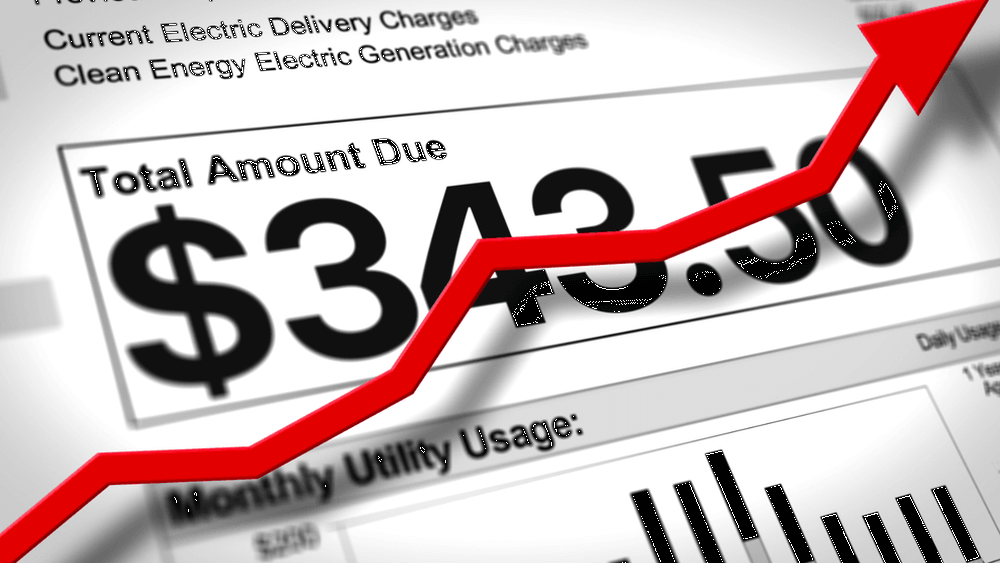
In regions hosting clusters of data centers, electricity demand is rising faster than utilities can add capacity. That imbalance has consequences. Grid upgrades, emergency power purchases, and long-term generation investments all carry a price, and that price increasingly shows up on household bills. Residents often pay more without knowing why, while the true drivers remain buried in technical filings and regulatory hearings.

The political response is still taking shape. Policymakers are weighing whether data center operators should shoulder a larger share of grid expansion costs instead of passing them indirectly to consumers. The core question is simple but uncomfortable: should ordinary households subsidize the power appetite of some of the world’s most profitable companies?
Tech firms argue they are investing in efficiency and clean energy, but the scale of AI growth complicates those claims. Even with renewables and optimization, the raw electricity demand keeps climbing. As AI becomes embedded in everyday life, the battle over who pays for its energy footprint may become one of the defining economic conflicts of the decade.

#AI #DataCenters #Electricity #EnergyCrisis #BigTech #PowerGrid #Costs