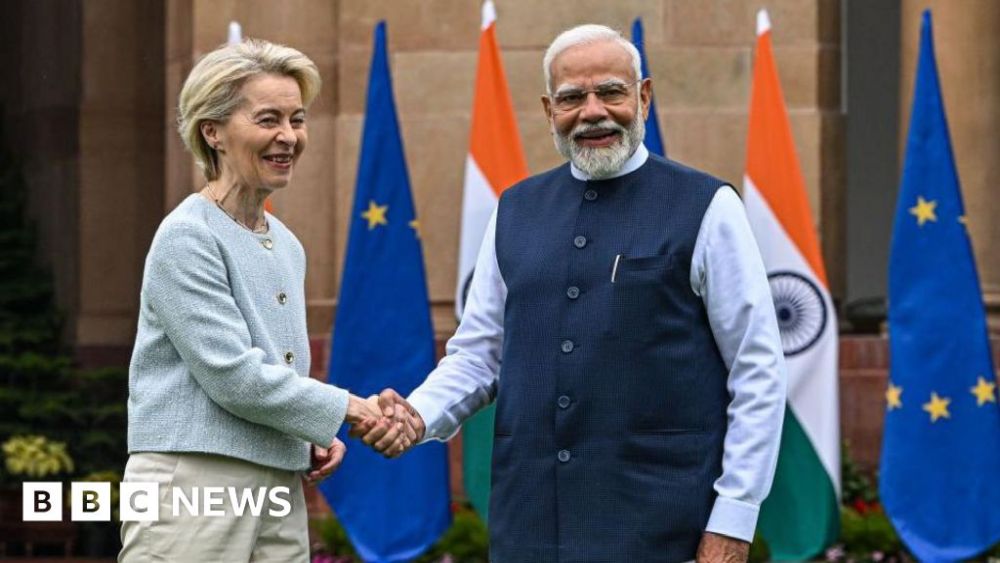
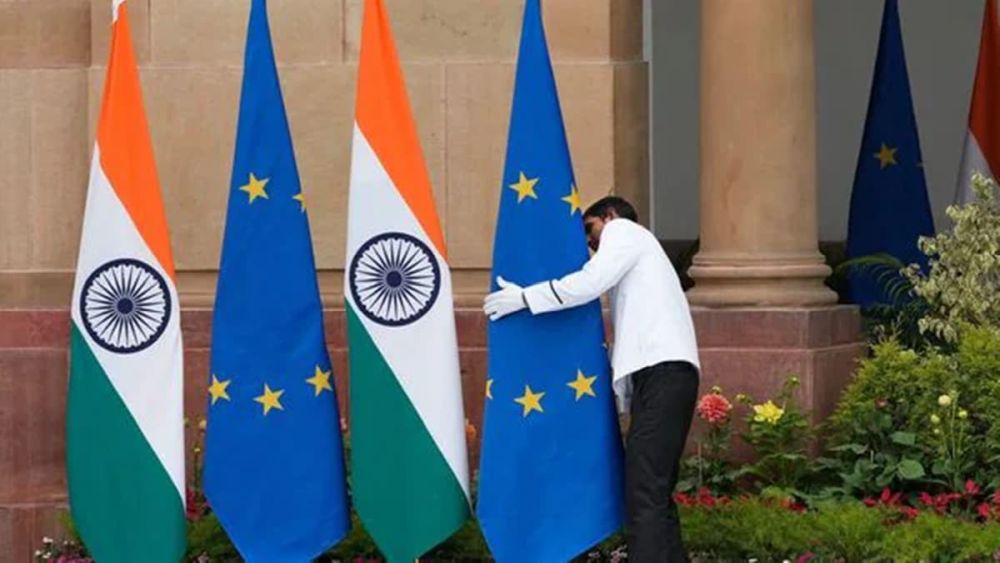
India and the European Union teeter on the brink of a historic free trade agreement, poised to unite nearly 2 billion consumers in what leaders hail as a transformative pact. As European Commission President Ursula von der Leyen and European Council President Antonio Costa descend on New Delhi for India’s 77th Republic Day, whispers of a Tuesday announcement at the 16th EU-India Summit grow louder. EU Trade Commissioner Maros Sefcovic has hinted at a breakthrough after intense negotiations. But is this deal as ironclad as it seems, or does it mask deeper fractures amid global trade wars?
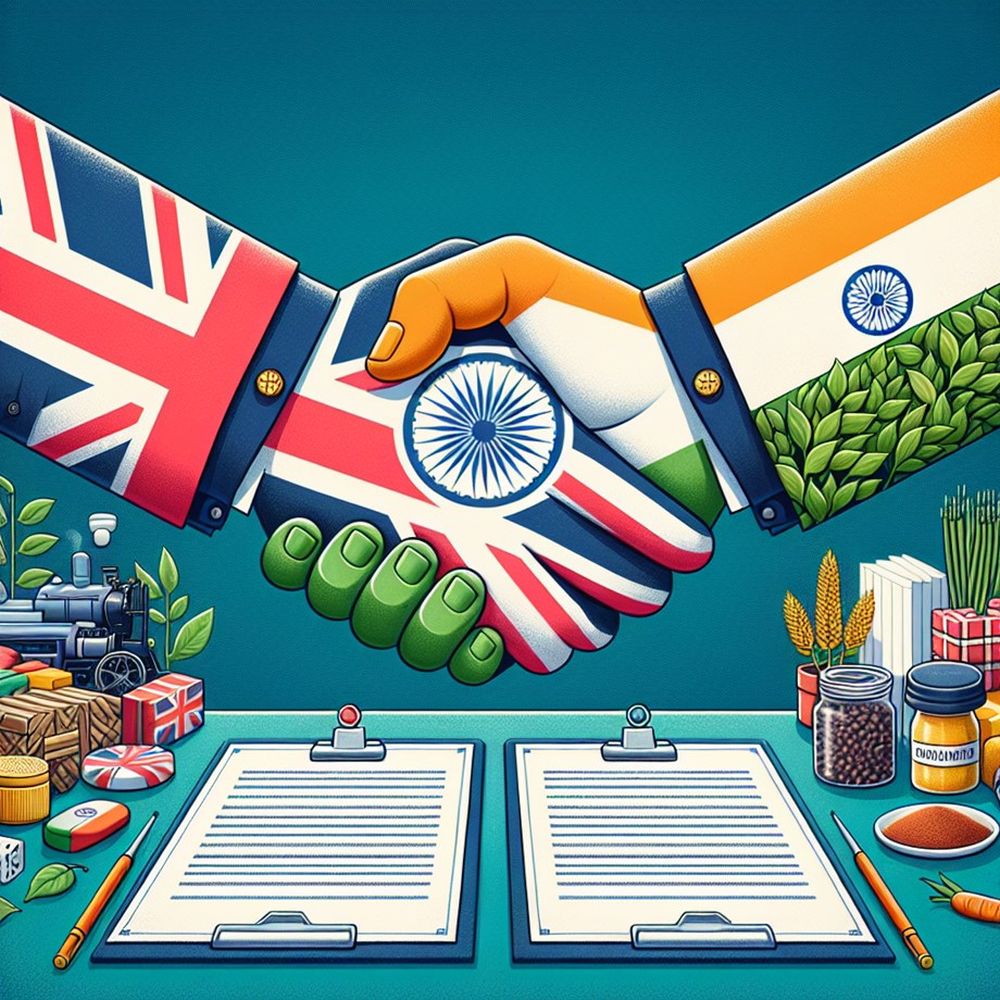
Dig deeper, and the tariff concessions reveal a calculated gamble. India eyes slashing duties on European luxury cars from 110% to 40%, potentially dipping to 10% eventually, opening doors for Volkswagen, Mercedes-Benz, and BMW models priced over €15,000. Electric vehicles get a five-year reprieve to shield Tata Motors and Mahindra from foreign competition. In return, the EU promises to ease barriers on Indian textiles, pharmaceuticals, gems, and auto parts. With bilateral trade hitting $136 billion last fiscal year, the EU as India’s top goods partner raises questions: Will these cuts truly boost economies, or merely flood markets with imports while domestic industries scramble?
Geopolitical winds propel this urgency. U.S. tariffs since August have hammered Indian textiles and jewelry exports, slashing one Delhi jeweler’s earnings by 25%. Enter the EU-India Security and Defence Partnership, spanning maritime security, cybersecurity, and counterterrorism—elevating India alongside Japan and South Korea. EU foreign policy chief Kaja Kallas warns of a crumbling rules-based order amid wars and economic fragmentation. Analysts like those at the Takshashila Institution point to America’s “irrational” policies as the spark. Yet, one wonders: Is this alignment a genuine strategic pivot, or a hasty hedge against Washington’s unpredictability?
Lingering shadows threaten to derail the fanfare. Agriculture remains a flashpoint, safeguarding half of India’s workforce, while the EU’s carbon border taxes could erode hard-won tariff wins. European Parliament ratification looms as a year-long gauntlet, fresh off rebuffs to other pacts. As Modi hosts his European guests, investigators must probe: Does this “mother of all deals” herald prosperity, or expose vulnerabilities in a world of protectionist crossfires?
#EUIndiaFTA #TradeDeal #GlobalTrade #TariffCuts #Geopolitics #FreeTrade