
As wearable AI devices explode in popularity, promising to revolutionize health monitoring and daily life, a closer look reveals a market hurtling toward $208 billion by 2032. But beneath the glossy tech promises, persistent privacy shadows loom large, demanding scrutiny from users and regulators alike. Is the convenience worth the risk?
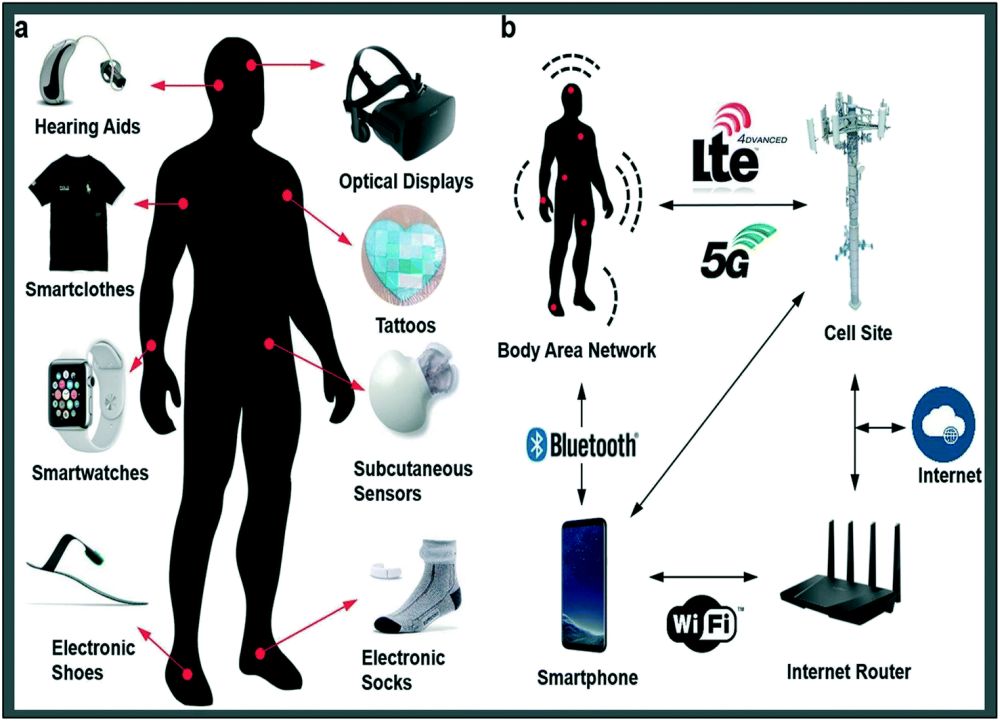
Healthcare and consumer electronics spearhead this surge, with smartwatches and fitness bands evolving into AI-driven health sentinels. They track heart rhythms, sleep patterns, and even predict medical issues, turning everyday wearables into personal doctors. Yet investigators uncover how these gadgets harvest intimate biometric data nonstop, feeding algorithms that know you better than your physician ever could.
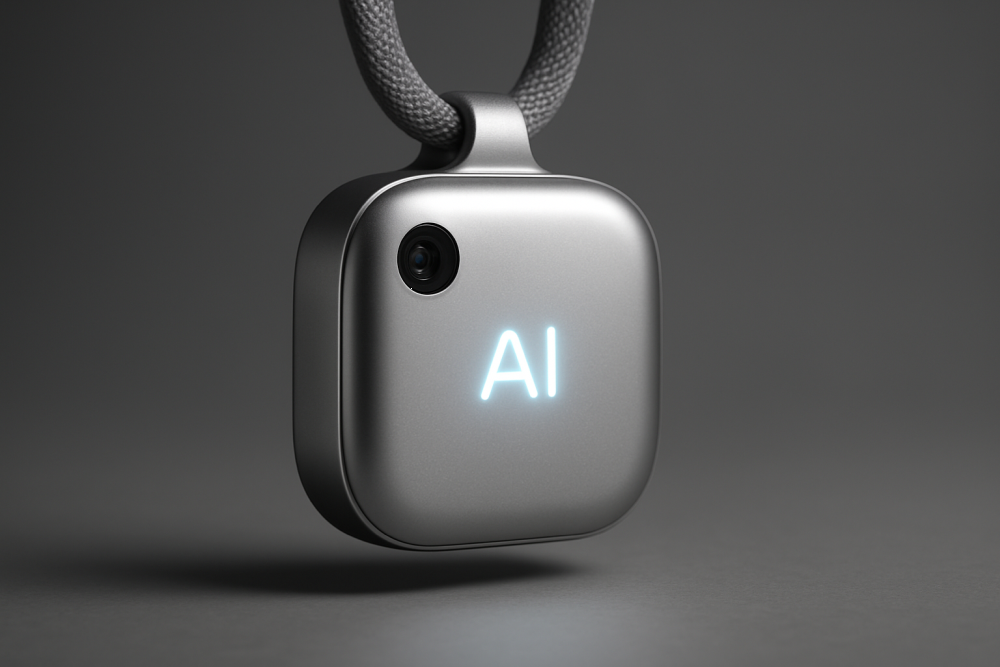
Enterprises jump in too, equipping workers with devices that flag fatigue or hazards on factory floors. North America leads adoption, but Asia-Pacific races ahead, powered by manufacturing hubs and tech-savvy populations. Dig deeper, and regional disparities emerge—China dominates production while Western markets grapple with regulatory mazes, raising questions about data flowing unchecked across borders.

Privacy alarms blare amid this frenzy. Surveys show over half of users fear their lifestyle secrets spilling to corporations, and recent FDA tweaks only heighten the stakes. Cybersecurity breaches could expose your every heartbeat; are these wearables allies or silent spies? Time to probe the fine print before strapping one on.

#WearableAI #PrivacyRisks #TechGrowth #HealthTech #DataSecurity