
Quantum computing is often framed as a distant miracle, locked behind laboratories, politics, and impossible engineering constraints. Yet history shows that transformative technologies rarely arrive with fireworks. They slip into infrastructure, solve narrow problems first, and only later reveal how deeply they have reshaped everyday life.
We will not own quantum computers the way we own laptops, and that was never the point. Just as few people own power plants or data centers, quantum machines will live in specialized facilities, accessed remotely and invisibly. Their value will emerge through services, not devices, augmenting classical systems rather than replacing them.
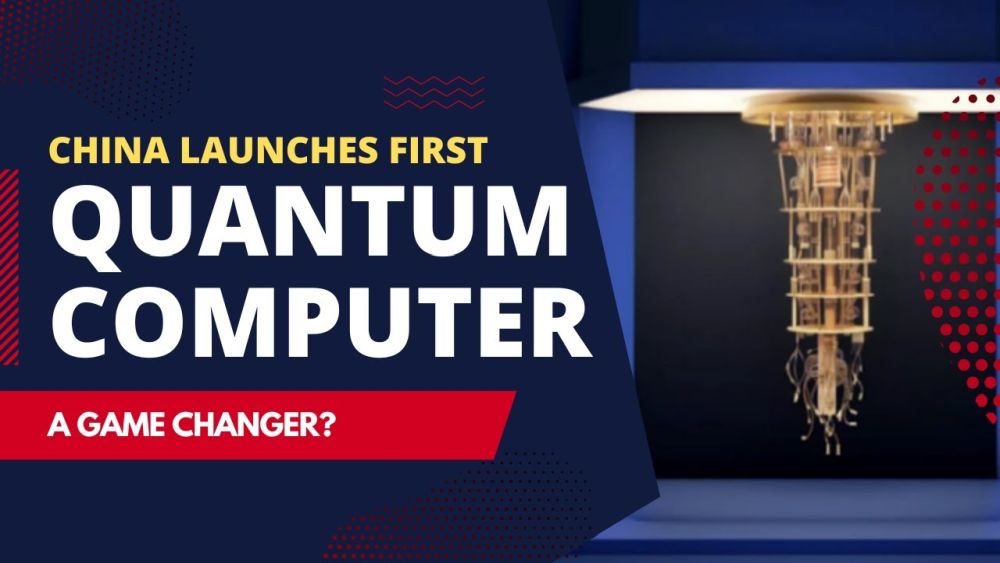
The first real impact will appear in places where complexity defeats intuition. Drug discovery, materials science, logistics, climate modeling, and medical diagnostics will quietly benefit from quantum-assisted calculations. Results will improve, timelines will shrink, and costs will fall, often without users realizing quantum hardware was involved.
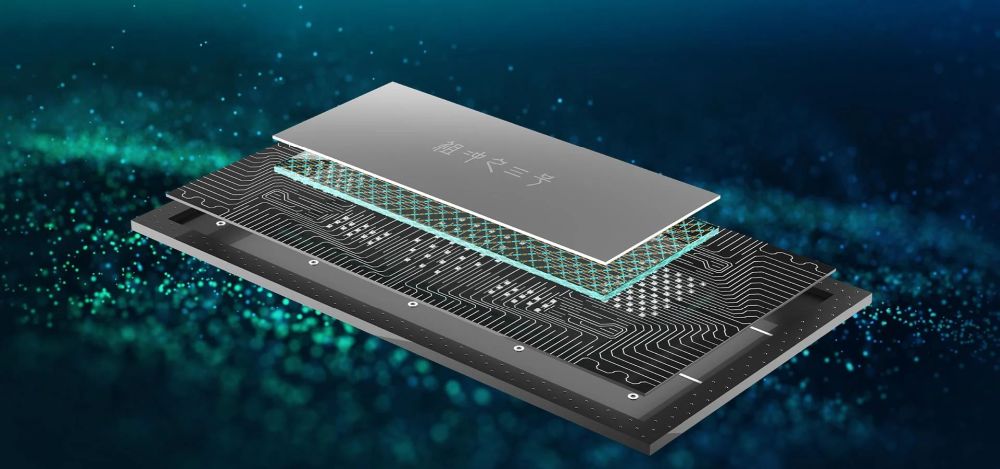
This is how progress usually works. Not as a revolution you witness, but as a background upgrade you live inside. Quantum computing will not announce itself at home, but it will still touch our lives, gently and persistently, long before it ever becomes a headline curiosity.

#quantumcomputing #futuretech #science #innovation #deeptech #technology