
Machine learning is no longer a side story in tech circles; it has become one of the primary engines reshaping global economic dynamics. Studies suggest AI could lift worldwide output by as much as fifteen percentage points by 2035, creating a growth pulse comparable to the arrival of electricity or the internet. Behind that number sits a broad mix of automation, prediction, and new forms of digital intelligence that help companies cut costs, anticipate demand, and unlock entirely new markets.
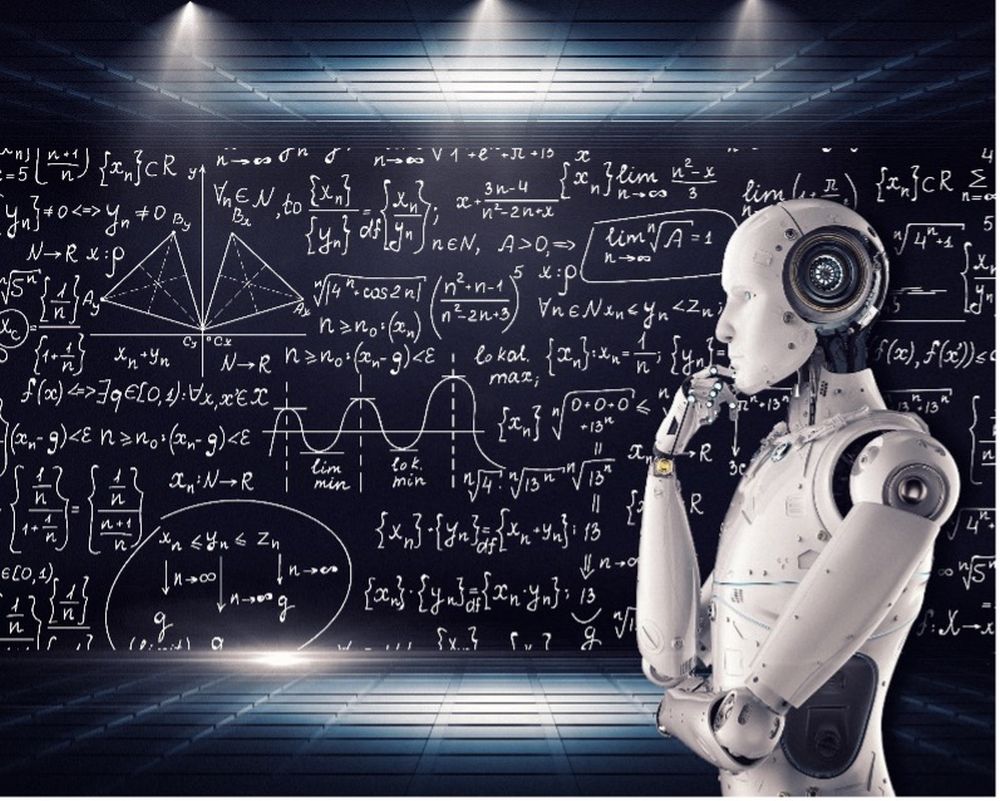
The promise is enormous, but it isn’t automatic. Economic impact depends on whether societies manage the technology with clear rules, shared trust, and the right investments. Countries that modernize infrastructure, regulate sensibly, and train their workforce stand to gain the most. Without coordination, the benefits risk becoming uneven, with some regions accelerating ahead while others struggle to adapt to the rapid pace of change.
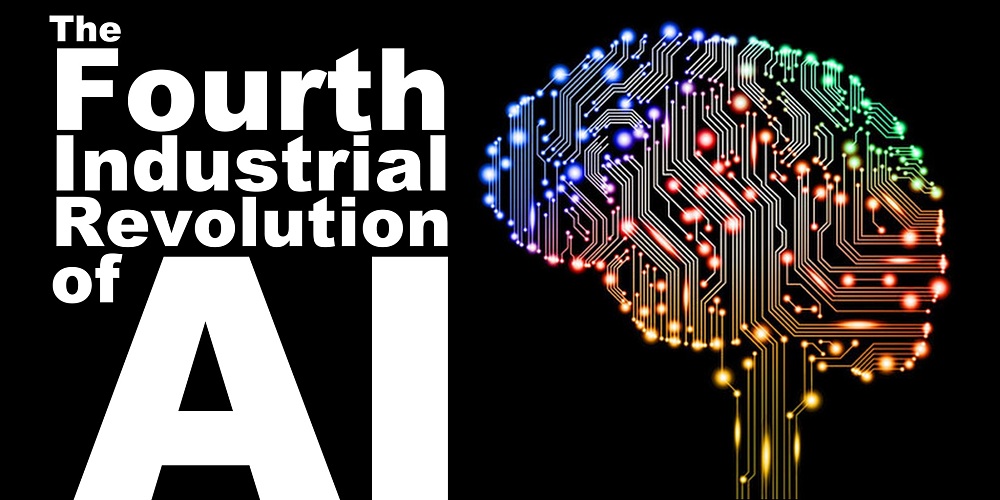
Industries are already feeling the shift. Retailers use real-time forecasting to streamline supply chains, financial firms lean on predictive models to reduce risk, and manufacturers weave AI into production lines to push efficiency far beyond human-planned systems. Entire business models are reshaping themselves around data-driven insights, creating a competitive landscape where adaptability matters as much as scale. Revenue flows are moving with it, rewarding companies that embrace AI instead of resisting it.

Yet the transformation comes with friction. Massive data centers raise concerns about energy consumption and sustainability, and the speed of change challenges education systems and regulatory frameworks. The world now faces a balancing act: harness AI’s economic momentum while making sure the gains spread widely, the environmental footprint stays manageable, and people have the skills to thrive in this new industrial era.

#AI #MachineLearning #GlobalEconomy #TechTrends #EconomicGrowth #Innovation #FutureOfWork #DigitalTransformation #GDPImpact