
Saint Nicholas stands at the root of some of the most recognizable winter traditions in the world. His story begins in the 4th century, with a bishop from Myra, in today’s Türkiye, known for quiet acts of generosity. He slipped coins into the shoes of the poor, helped children, and became a symbol of discreet kindness. Over centuries, legends grew around him, painting him as a protector of the weak and a friend to those in need.
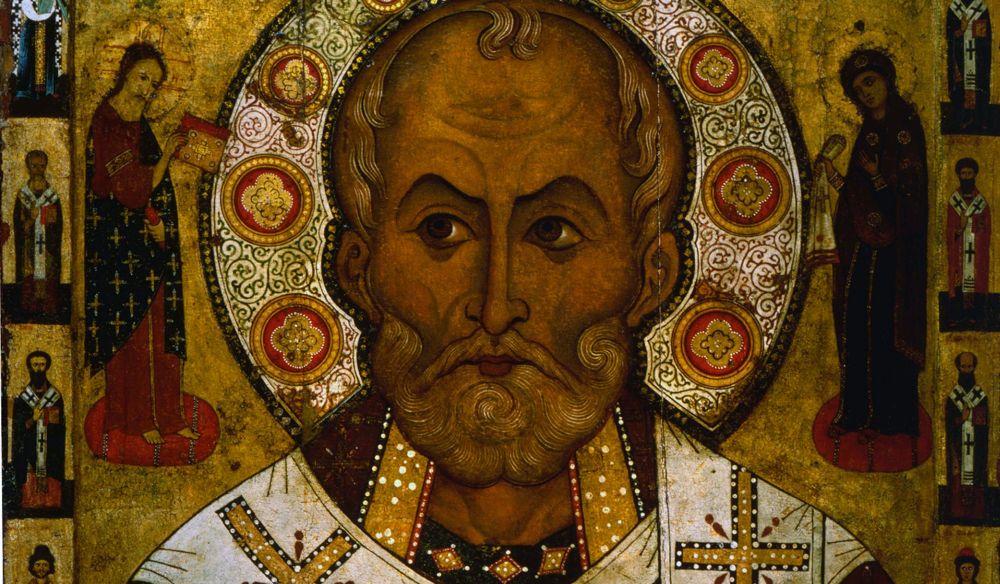
In many parts of Europe, his feast day on December 6 became a moment of joy for children. In Belgium, France, Germany, the Netherlands, and much of Eastern Europe, kids still leave shoes by the door or window, hoping to find sweets or little gifts the next morning. The celebration kept its focus on simplicity: small surprises, warm traditions, and a spirit of giving without spectacle.
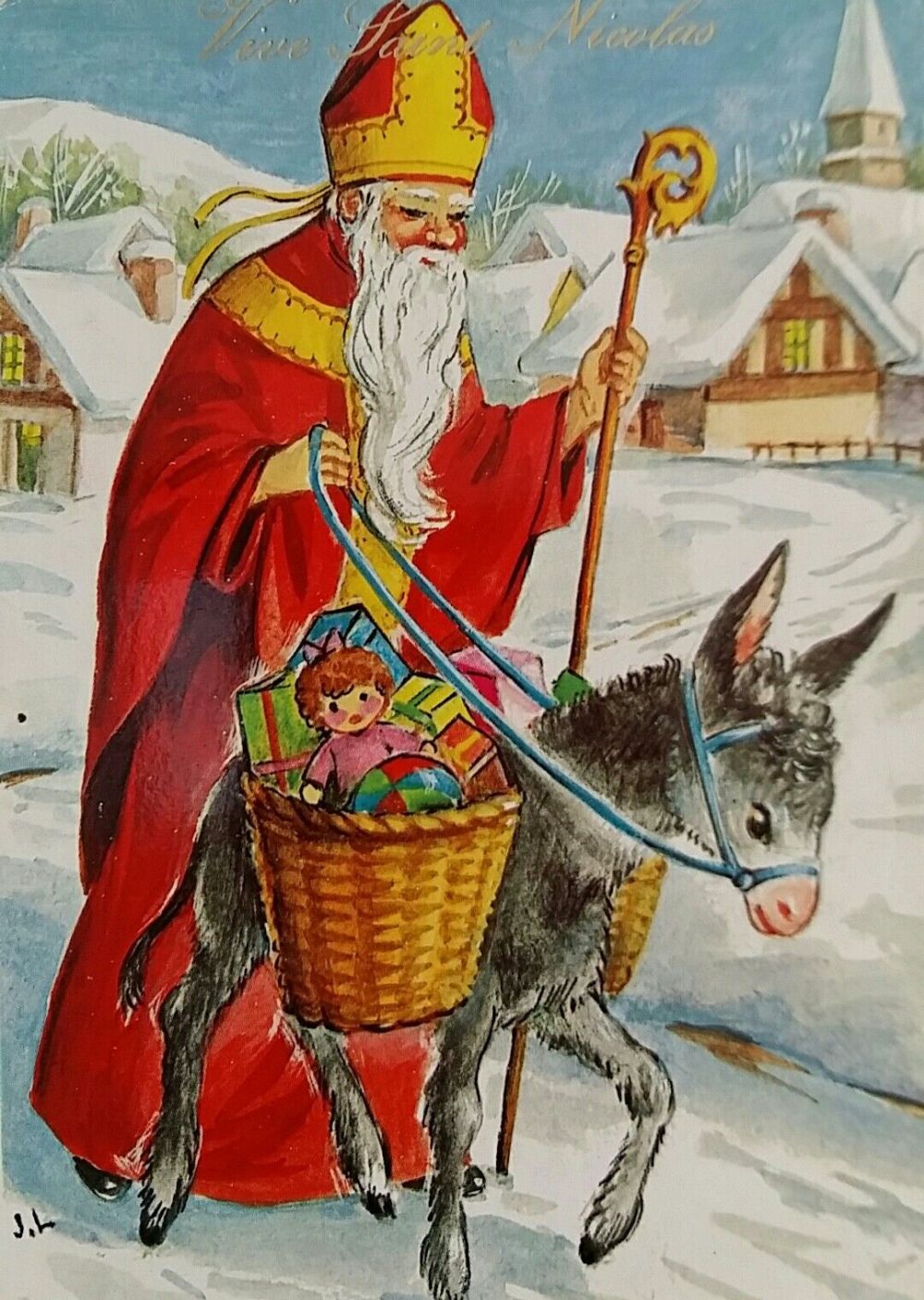
This figure didn’t stay confined to Europe. Dutch settlers carried “Sinterklaas” to North America, where his name softened into “Santa Claus.” Over the years, artistic depictions, poems, and advertisements reshaped him into the red-coated character the world recognizes today. The core remained the same, though: generosity, childhood wonder, and the idea that kindness can arrive quietly in the night.
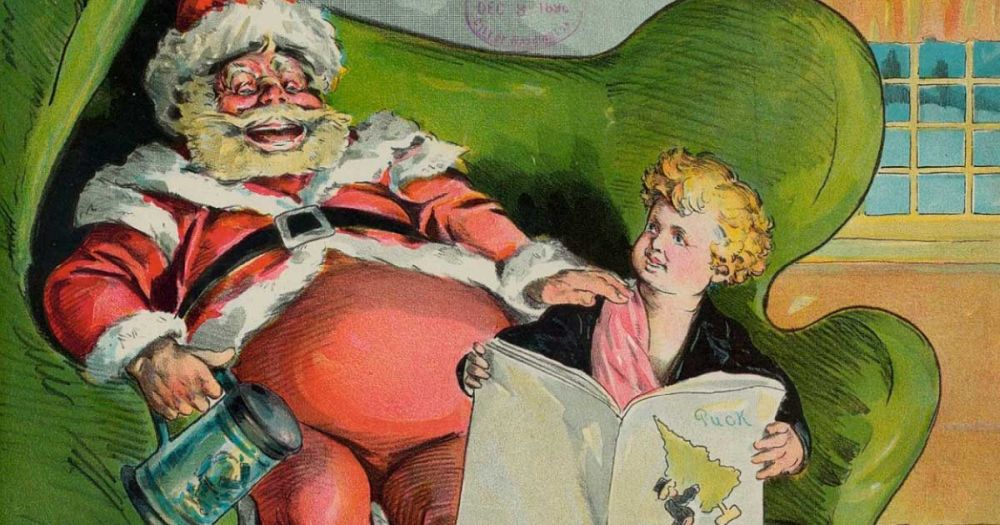
Because of that evolution, Saint Nicholas is widely seen as the precursor of Santa Claus and, by extension, a foundation of the modern Christmas season. He is the bridge between ancient winter folklore and the celebrations that now mark December around the world — proof of how a simple tradition can travel, transform, and endure.

#SaintNicholas #Sinterklaas #ChristmasOrigins #Traditions #History #WinterFestivities