
Xiaomi’s latest disclosures on its humanoid robotics program offer a rare, data-backed glimpse into how quickly machine labor is closing the gap with human workers on real production lines. Inside its electric vehicle factory, robots that began as limited-function assistants in March have now reached a 98 percent success rate at a self-tapping nut installation station. Just four months earlier, that figure stood at 90.2 percent, revealing a steep and unusually transparent learning curve driven by continuous iteration in live industrial conditions.
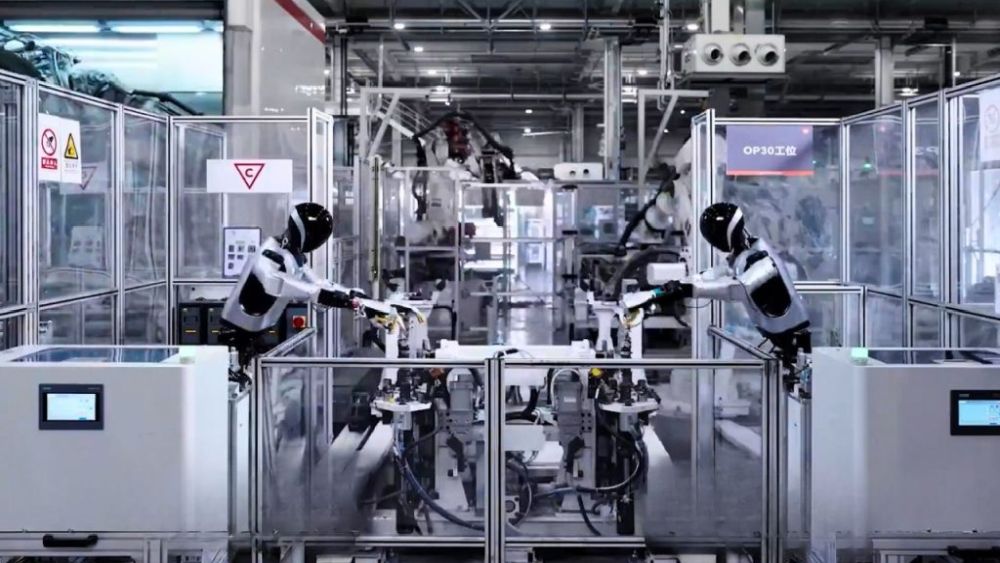
What makes this development notable is not just the performance gain, but the expansion of task complexity. The robots have moved beyond repetitive fastening into more nuanced assembly work, including installing large, flexible center console side panels and handling parts bin recycling. These are not rigid, predictable tasks. Flexible components shift shape, require multiple repositioning steps, and introduce variability that has historically challenged automation. Xiaomi claims success rates above 90 percent in these new stations, suggesting that the robots are beginning to adapt to the messy realities of factory environments rather than controlled demos.

At the core of this progress is Xiaomi’s newly released Robotics-U0 model, a 38 billion parameter system designed less as a real-time controller and more as a scenario generation engine. Instead of relying on traditional world models for planning, U0 produces synthetic training environments that expose robots to unfamiliar conditions before they encounter them physically. The company reports that this approach has nearly doubled out-of-distribution task success rates, from 36.9 percent to 63.2 percent. By open-sourcing the model and its checkpoints, Xiaomi is signaling a broader strategy to accelerate ecosystem development while reinforcing its own position in embodied AI.
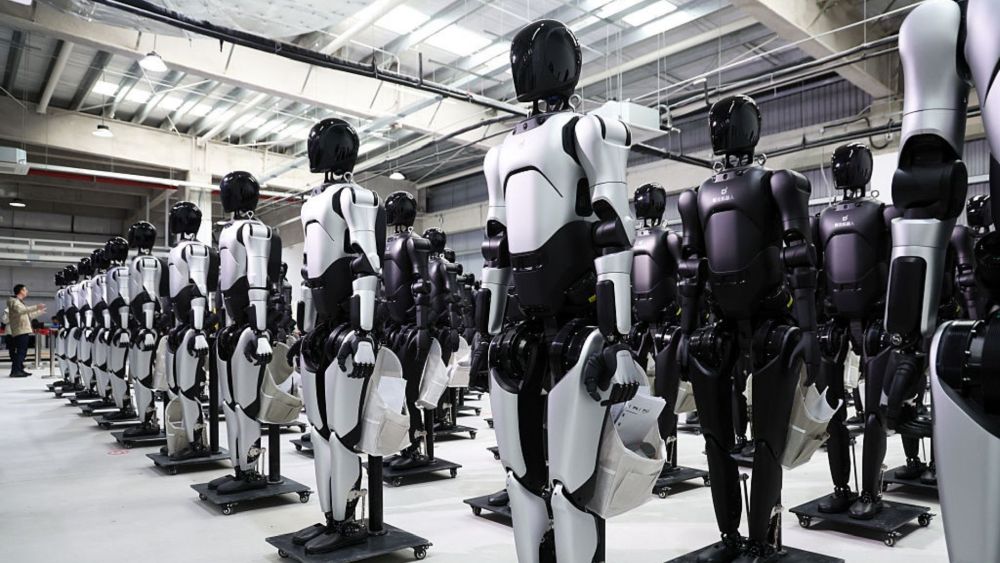
Still, the numbers raise as many questions as they answer. A 98 percent success rate at a single station is impressive, but industrial deployment depends on far more than isolated metrics. Cycle time consistency, long-term uptime, maintenance costs, and cumulative defect rates across multiple stations remain undisclosed. The robots may be approaching human-level precision in controlled tasks, but whether they can sustain full-shift reliability across an entire assembly line is an unresolved test that will determine if they are truly ready to replace or merely assist human labor.

#Xiaomi #HumanoidRobots #AI #Automation #EVFactory #Robotics #TechNews