
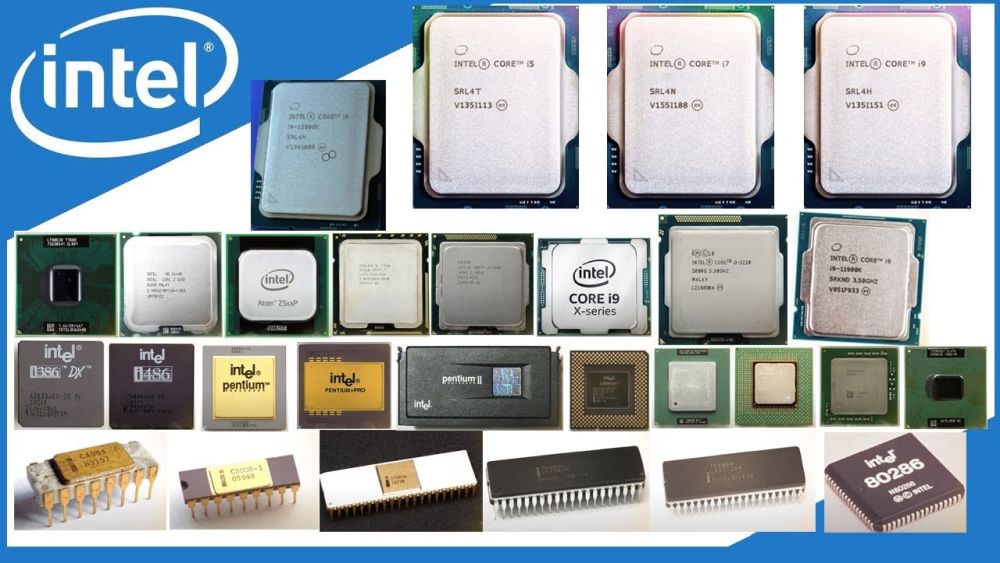
Intel is reportedly preparing an unusual pivot, one that suggests unease beneath the surface of the PC hardware market. Instead of pushing forward with its latest platforms, the company is said to be ramping up production of older desktop processors, including chips dating back several generations. The move signals more than a simple inventory adjustment. It hints at structural pressure building across the broader component ecosystem.
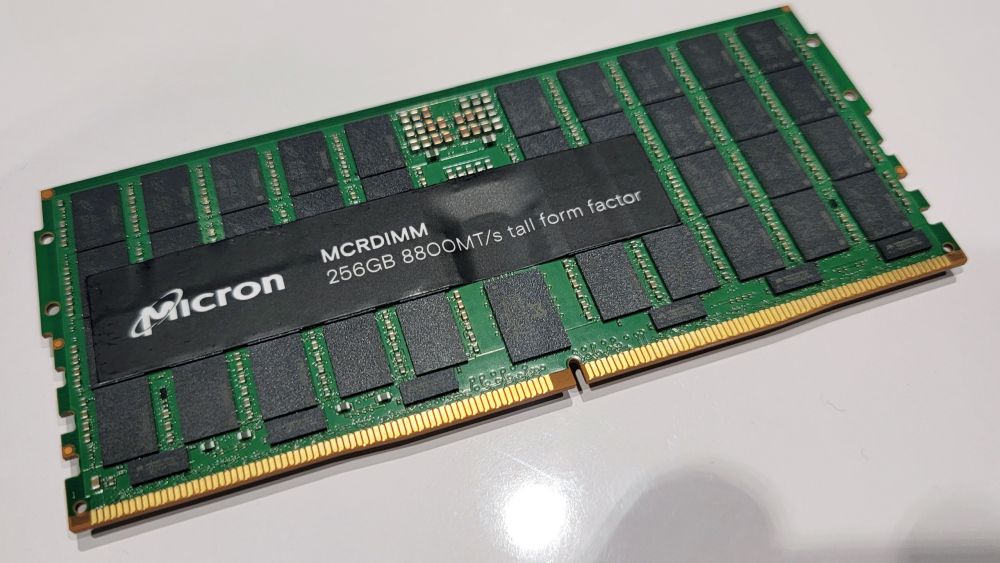
At the center of this shift is a rapidly tightening memory market. DDR5 prices have surged far beyond earlier projections, driven by a mix of constrained supply, aggressive capacity allocation toward AI workloads, and persistent demand from hyperscale data centers. With further price hikes expected through late 2026 and into 2027, the cost of building even a midrange system has begun to creep out of reach for many consumers.
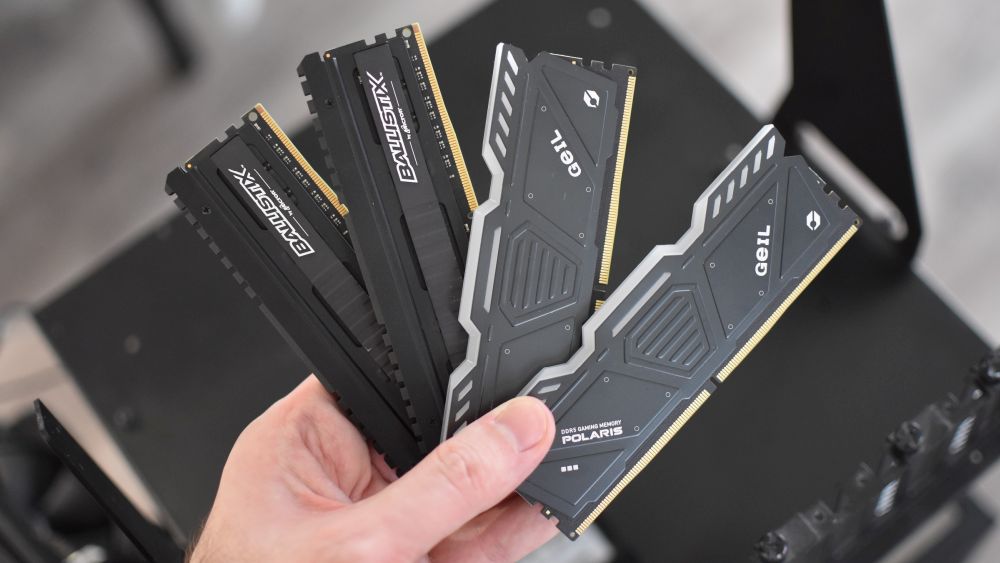
Intel’s response appears pragmatic rather than ambitious. By reviving processors compatible with DDR4 memory, particularly those tied to the LGA1700 platform, the company is effectively extending the life of a cheaper ecosystem. This allows system builders and consumers to sidestep the escalating costs associated with DDR5, offering a temporary financial buffer in an otherwise inflationary hardware cycle. It also suggests Intel is willing to prioritize market stability over pushing immediate adoption of newer standards.
What remains unclear is how far this strategy will extend and whether it signals deeper concerns about demand elasticity in the PC market. If memory prices continue their upward trajectory, older platforms may not just be a stopgap but a necessary fallback for a significant portion of the market. In that scenario, the industry’s roadmap could slow, not due to lack of innovation, but because affordability has become the defining constraint.

#Intel #PCMarket #DDR5 #HardwareShortage #TechIndustry