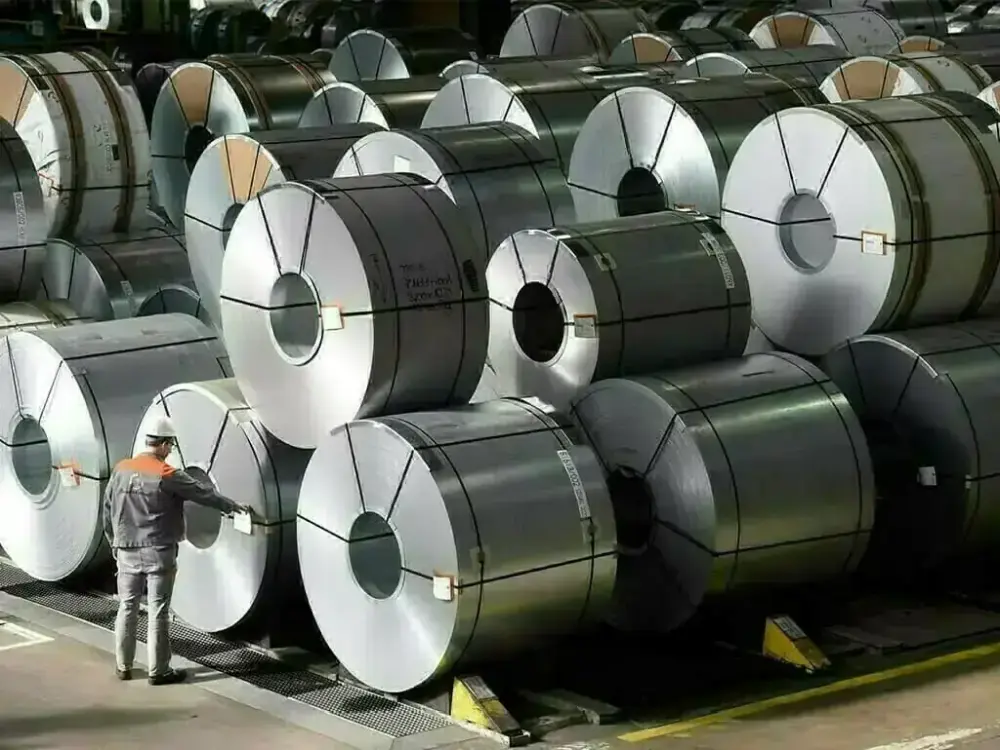
The global aluminum market is being quietly reshaped as disruptions in the Middle East expose just how fragile supply lines have become. Months into the regional conflict, critical production and shipping routes remain impaired, with the Strait of Hormuz acting as a persistent choke point. A significant share of global output is either offline or effectively stranded, forcing buyers to scramble for alternative suppliers and pushing prices sharply higher.
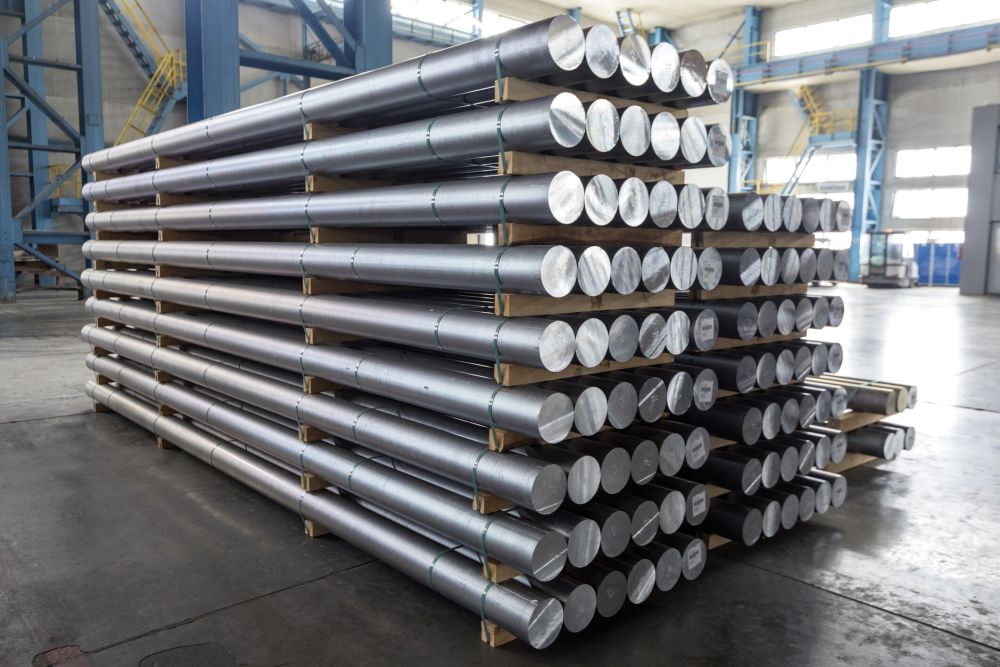
China has stepped into this vacuum with remarkable سرعت, ramping up exports as overseas demand intensifies. Shipments have surged this year, supported by ample domestic inventories that give producers flexibility to redirect supply abroad. Yet this shift raises questions about sustainability, as rising exports could tighten China’s internal market if global demand continues to accelerate. At the same time, Western buyers remain selective, avoiding certain origins and further complicating trade flows.
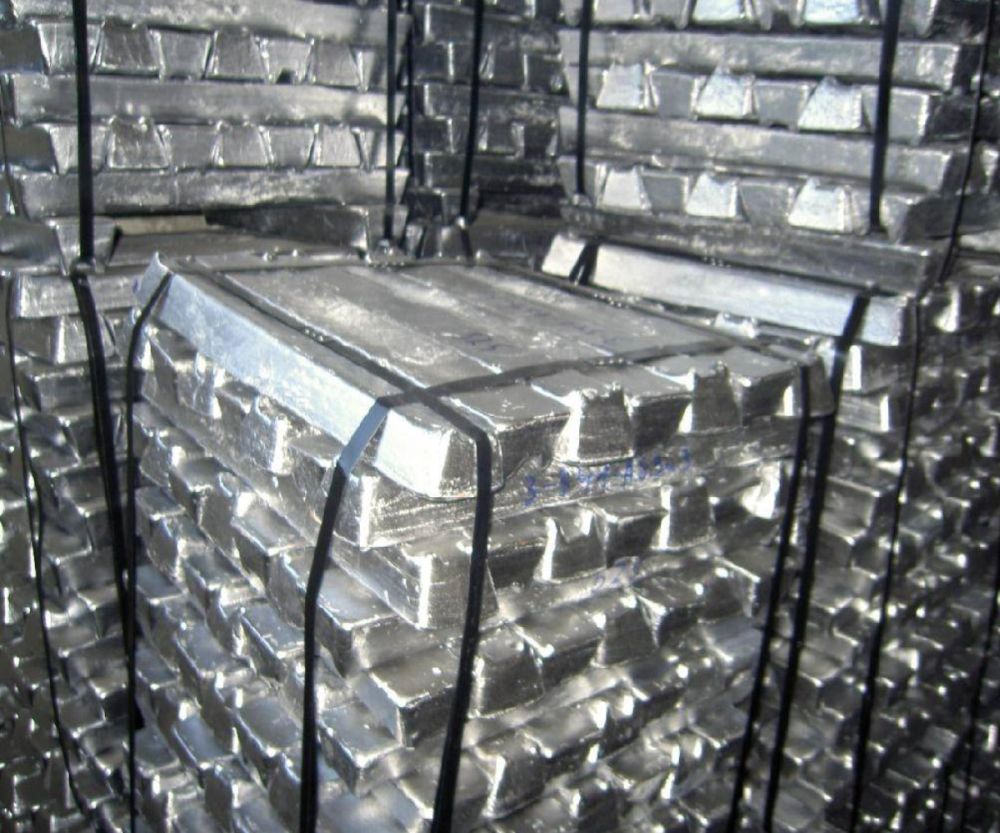
Indonesia is emerging as a strategic beneficiary of the disruption, rapidly scaling its aluminum ambitions. Massive investment in new smelting capacity signals a long term pivot toward becoming a key global supplier. Industrial parks in resource rich regions are drawing billions in capital, while efforts to meet international exchange standards suggest a clear intention to integrate into global pricing systems. This transformation is still unfolding, but momentum is building quickly.
Despite these adjustments, the broader outlook remains constrained. Inventory data presents a misleading picture, with much of the available metal considered unusable by key buyers. This disconnect between headline stock levels and accessible supply is keeping markets tight and prices elevated. With geopolitical risks unresolved and new capacity still ramping up, the aluminum market appears set for continued volatility rather than relief.

#Aluminum #Commodities #GlobalTrade #China #Indonesia #SupplyChain #Metals #Geopolitics