Taiwan’s government has quietly positioned itself at the forefront of the global robotics race with the unveiling of the . President Lai Ching-te cut the ribbon on this ambitious project, backed by a staggering NT$20 billion funding commitment over four years. What drives this move? Investigators peering into the details uncover a strategic bid to transform Taiwan from a semiconductor powerhouse into a robotics innovation hub, targeting high-stakes sectors where labor shortages and safety risks loom large. The center’s dual facilities for R&D and testing signal more than infrastructure; they hint at a calculated play to dominate emerging markets.

Digging deeper, the initiative falls under the expansive “Ten AI Initiatives Promotion Plan,” promising NT$1.5 trillion in total investments to generate NT$15 trillion in economic ripple effects by 2040. Tainan’s Shalun Green Energy Science City now anchors what officials dub a “robotics industry corridor,” stretching to nearby parks for verification and manufacturing. Why Tainan? Local insiders suggest proximity to existing tech clusters minimizes risks while maximizing synergies. Yet, questions persist: will this corridor truly bridge academia, startups, and industry, or does it risk bureaucratic silos that have plagued past efforts?
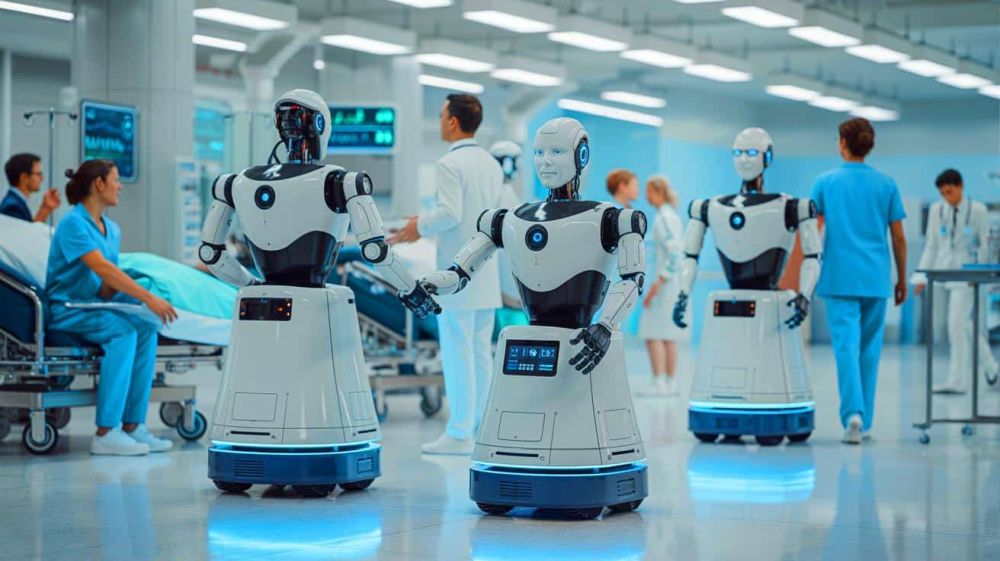
The funding blueprint reveals sharper priorities. From 2026 to 2029, resources will spawn at least three new robotics startups and fast-track applications in perilous jobs, healthcare, and food services. Home care robots top the list, addressing Taiwan’s aging population crisis head-on. Officials project breakthroughs in machines that tackle dangerous tasks shunned by workers, but skeptics wonder about real-world scalability. Is this genuine innovation or subsidized hype? The center’s mandate to nurture talent and commercial pilots could prove pivotal, especially as global robotics demand surges toward 2030.
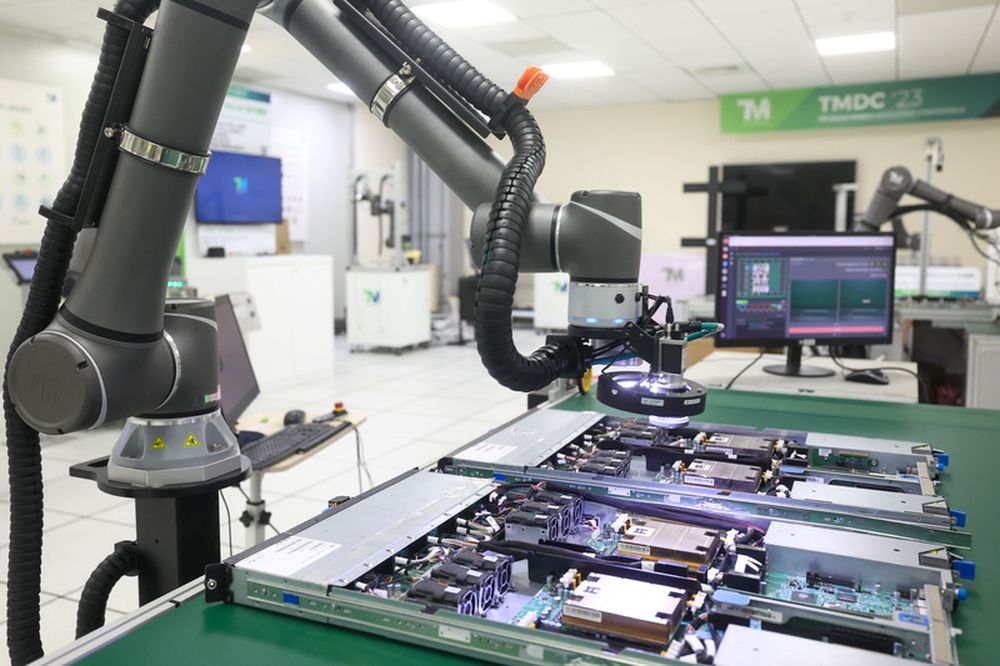
Peering ahead, Taiwan’s robotics gambit carries geopolitical weight. Amid U.S.-China tensions, bolstering domestic high-tech autonomy makes sense. President Lai’s vision of benefiting a million SMEs underscores inclusive growth ambitions, yet execution remains the wildcard. If NCAIR delivers, it could redefine Taiwan’s economic narrative; if not, it joins a list of overpromised initiatives. Watch this space: the robots are coming, and they might just reshape industries we take for granted.

#TaiwanAI #RoboticsHub #TechTaiwan #AIRobotics #InnovationPush