
Global smartphone system-on-chip shipments plunged 8% in the first quarter of 2026, outpacing the broader market’s 4-6% contraction and signaling a supply chain under unprecedented strain. Investigators peering into the data uncover a stark reality: memory chip shortages have escalated into a full-blown crisis, forcing vendors to slash product lines and delay launches. What began as a temporary hiccup has morphed into a structural bottleneck, with memory prices surging 50-55% quarter-on-quarter and poised for another 80-85% spike in the coming months. Digging deeper reveals manufacturers diverting capacity to AI data centers, leaving mobile devices starved for essential DRAM and NAND flash.
The fallout hits hardest at the budget end, where memory now claims up to 43% of a phone’s bill of materials, up from a typical 10-15%. Premium players like those behind the iPhone and Galaxy flagships show resilience, passing costs to consumers and even posting growth amid the gloom. But mid-range and entry-level brands are reeling, with sub-scale vendors contracting 25.5% year-on-year, nearly five times the market average. Probing vendor reports exposes a grim strategy: cutting low-margin models, leaning on refurbished stock, and negotiating desperately for scraps of memory supply that never materialize in sufficient volume.

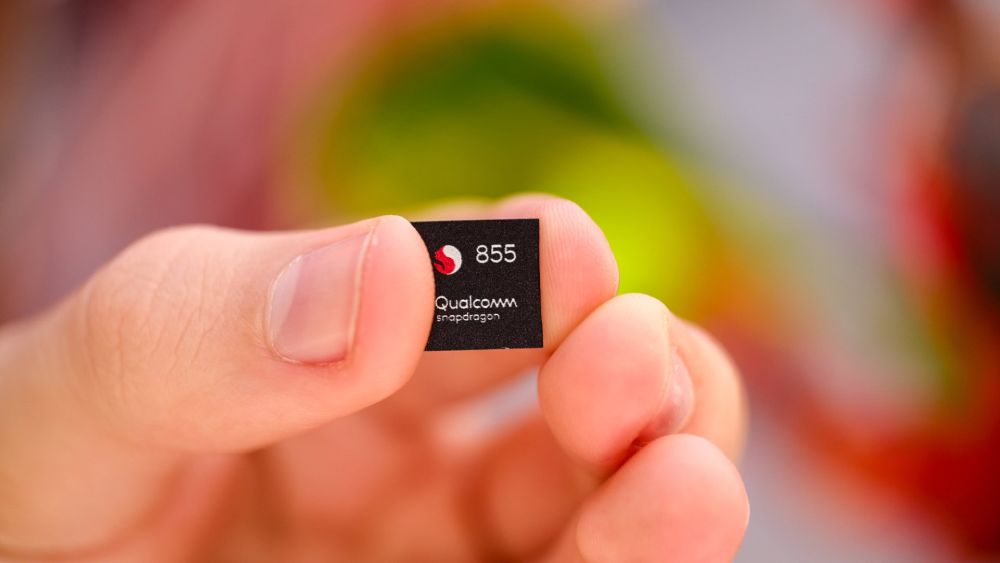
Why the persistence? Frontline analysis points to deliberate choices by memory giants prioritizing lucrative AI server demand over commoditized phone chips. This misalignment has chipset giants like Qualcomm and MediaTek posting double-digit shipment drops, while a few holdouts buoyed by premium positioning or cost niches cling to gains. The investigative lens reveals no quick fix: OEMs face portfolio shrinkage and innovation stalls as development timelines stretch. Consumers, meanwhile, grapple with thinner choices and creeping price hikes across segments.
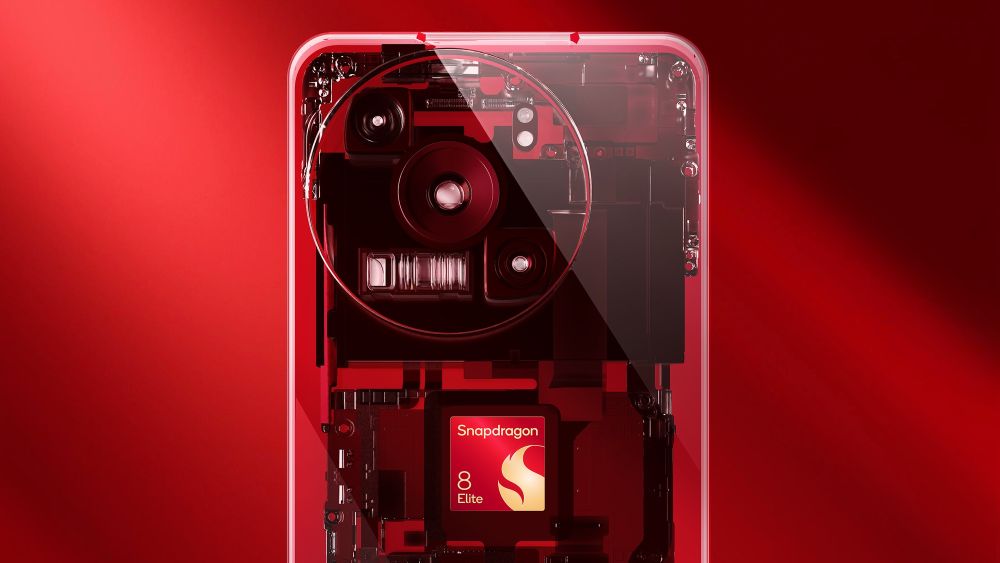
The horizon looks bleaker still, with analysts forecasting double-digit shipment declines through 2026 and no normalization until early 2028. Probing forward projections uncovers a smartphone market on track for its worst annual drop in over a decade, at 12.9%. As memory makers double down on AI windfalls, the mobile ecosystem teeters, raising tough questions about diversification, stockpiling, and whether vendors can innovate their way out before budgets and patience run dry.

#SmartphoneCrisis #MemoryShortage #SoCShipments #TechSupplyChain #AIImpact