
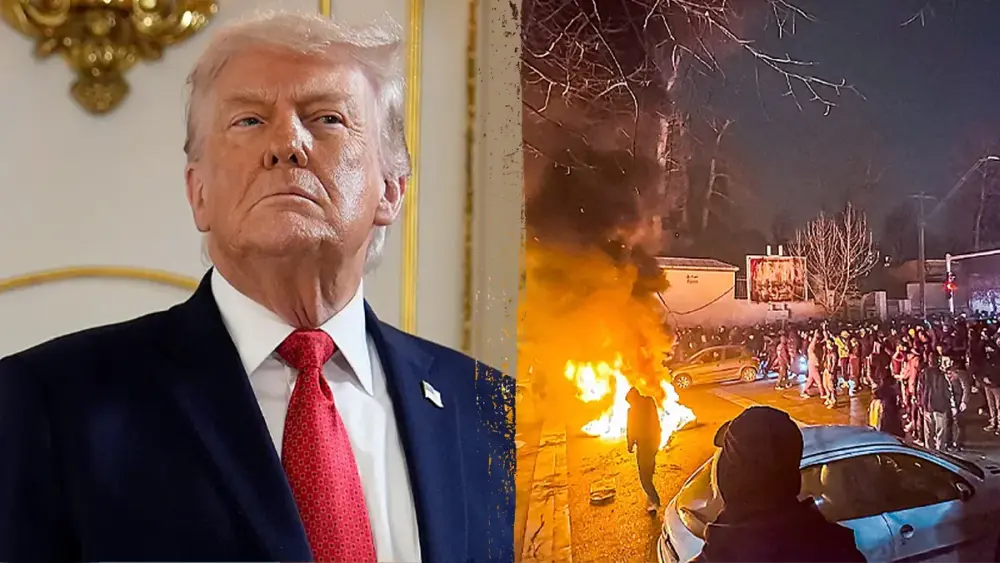
President Donald Trump’s abrupt postponement of strikes against Iranian energy infrastructure has ignited a stunning rebound in Asian currencies battered by weeks of geopolitical chaos. The South Korean won, which plunged to a 17-year low of 1,517 per dollar on Monday, clawed back sharply to close at 1,495.2, fueled by Trump’s Truth Social post claiming “very good and productive conversations” with Iran. But questions linger: was this reversal genuine diplomacy or a tactical pause? Investors worldwide are digging into the details, wondering if the Strait of Hormuz tensions truly ease or if markets face another whiplash.
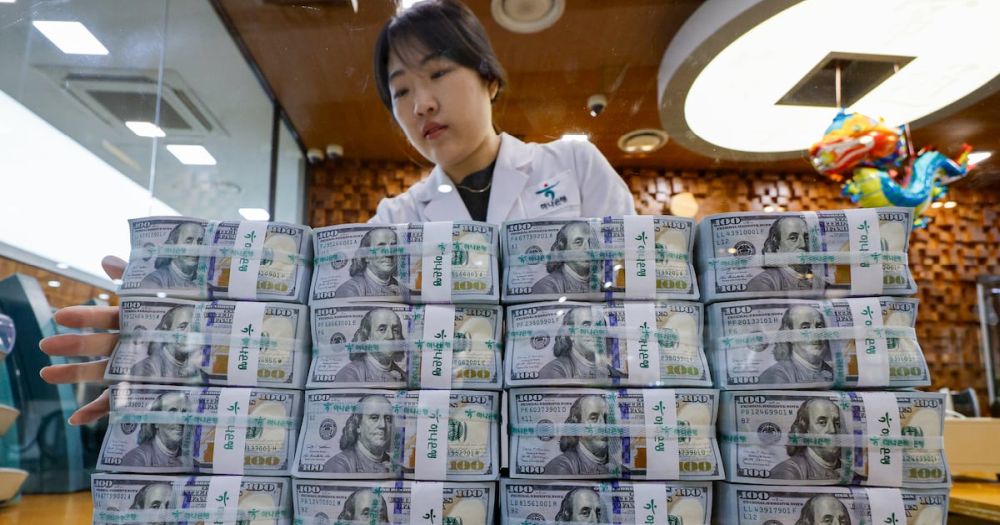
Japan’s inflation picture adds another layer of intrigue to the regional puzzle. Core consumer prices rose a tepid 1.6 percent in February, dipping below the Bank of Japan’s 2 percent target for the first time since early 2022, even as the BOJ held rates steady at 0.75 percent. Officials flagged surging oil prices as a potential inflation driver, yet the yen hovered near 158 per dollar after a brief slide. Investigators might probe whether this data masks deeper vulnerabilities, especially with global energy shocks rippling through supply chains. Is the BOJ’s cautious stance sustainable, or does it signal an economy teetering on the edge?
Malaysia stands out as the outlier, its ringgit bucking the downward trend thanks to the nation’s rare position as ASEAN’s sole net energy exporter. Finance Minister Amir Hamzah Azizan highlighted “positive benefits” from elevated oil prices, bolstered by booming demand for data centers amid the AI surge. While neighbors like the Philippine peso hit record lows at 60.1 per dollar and Thailand’s baht weakened sharply, Malaysia’s resilience raises eyebrows. Could this edge position the ringgit for further gains, or does overreliance on commodities invite hidden risks in a volatile world?
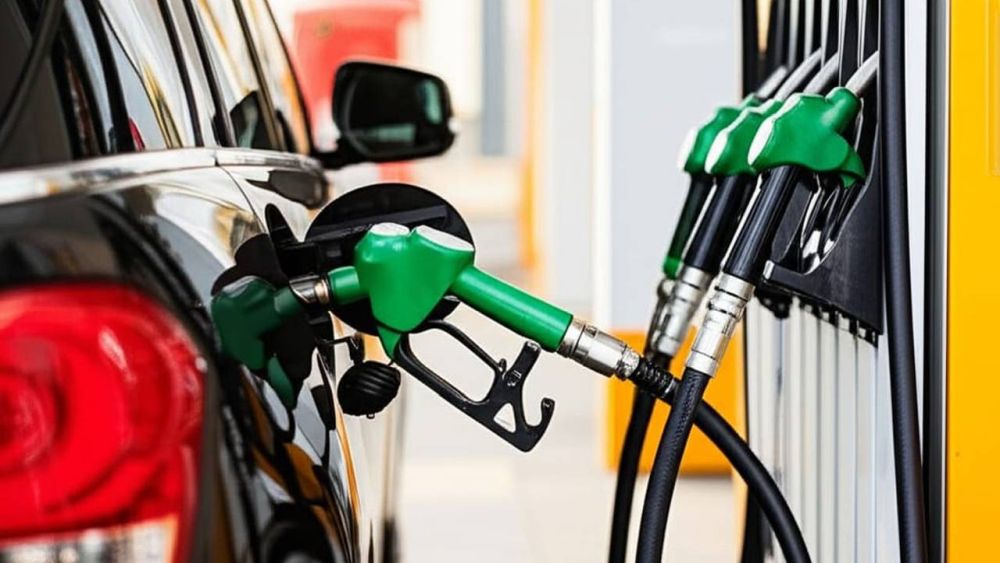
As oil prices tumbled over 10 percent from peaks above 114 dollars per barrel, analysts like Hana Bank’s Lee Yoo-jung warn this delay feels more like a fleeting truce than lasting peace. Iran’s denial of U.S. talks only deepens the mystery. Markets have surged on hope, but savvy observers question the timeline: with Trump’s 48-hour ultimatum now extended five days, what happens if negotiations falter? The coming hours demand vigilant scrutiny, as currency traders and policymakers navigate this high-stakes chess game.

#AsianCurrencies #TrumpIran #WonRebound #BOJInflation #RinggitResilience #OilPrices #Geopolitics