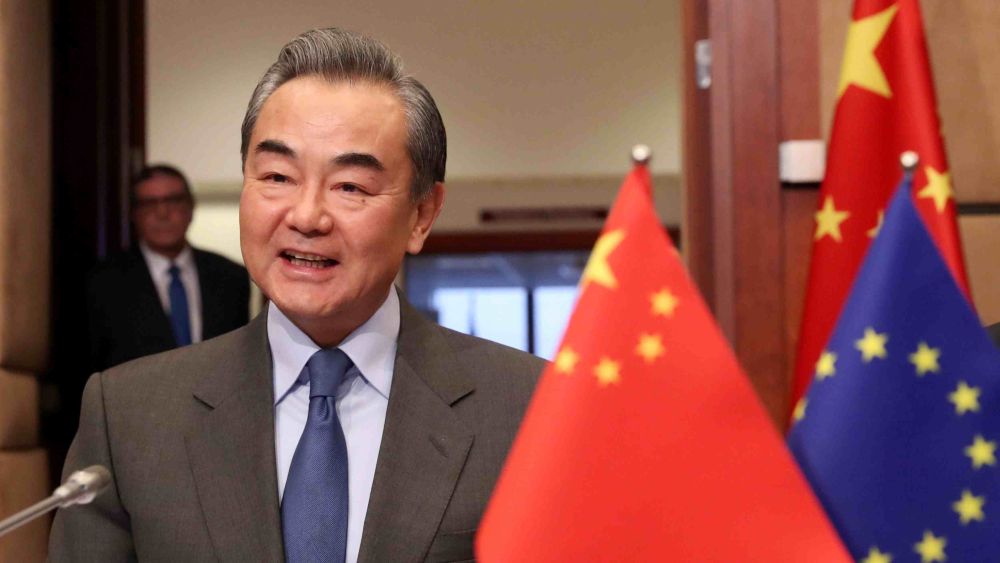
At the Munich Security Conference, Chinese Foreign Minister Wang Yi dropped a bombshell to his French and German counterparts: Europe’s economic woes aren’t China’s fault. In a rare trilateral huddle—the first of its kind—Wang positioned the Middle Kingdom not as a threat, but as Europe’s golden opportunity. He warned of rising “unilateralism and protectionism,” urging the EU to ditch its “objective and comprehensive” blind spots about Beijing. But is this olive branch genuine, or a calculated move to fracture European unity amid brewing trade storms?
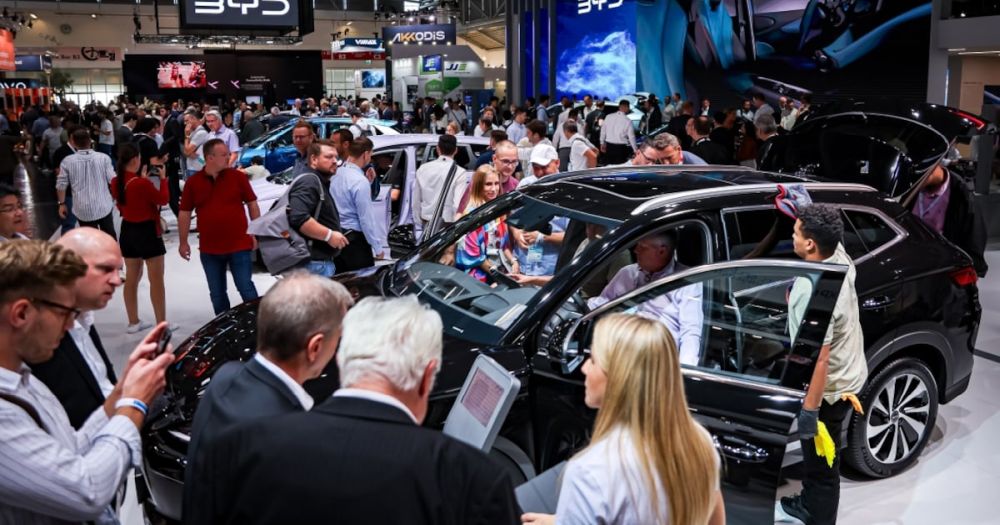
Dig deeper, and the cracks appear. Wang’s rhetoric paints fifty years of Sino-European ties as a tale of partnership over rivalry, interdependence over risk. Yet, the EU’s fresh 35.3% tariffs on Chinese EVs tell a different story—retaliation already hitting French brandy and German cars. One insider whispers fears of Beijing’s divide-and-rule playbook: pit sectors against each other, watch the bloc crumble. As U.S. reliability wanes, is Wang exploiting Europe’s pivot, dangling cooperation while quietly expanding influence?
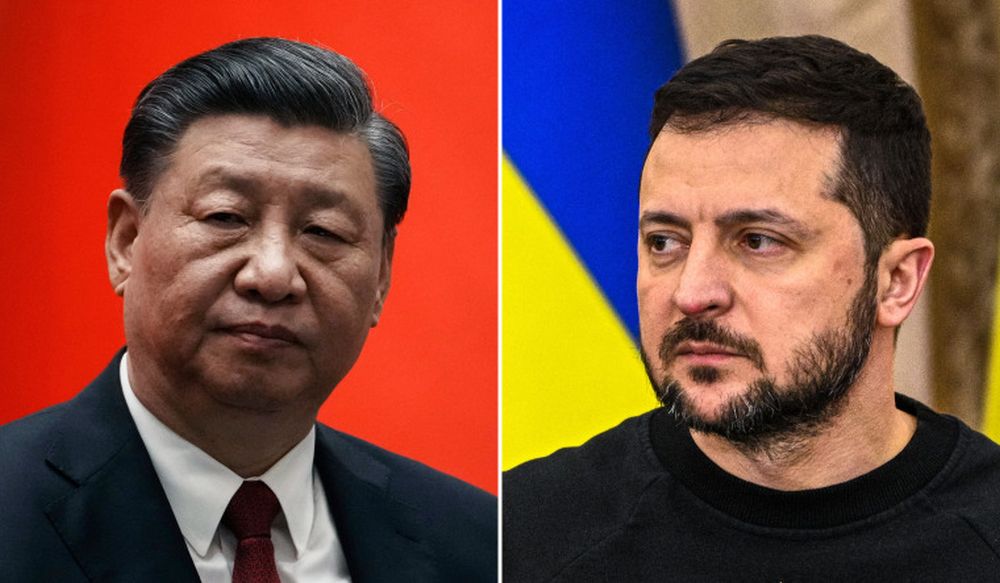
Ukraine loomed large too, with Wang offering Beijing’s “constructive role” for peace—right after meeting Kyiv’s foreign minister. The EU eyes China warily for alleged Russian support, but Wang’s Kyiv invite could be diplomatic theater. Meanwhile, chats with Britain’s Yvette Cooper hint at broader outreach. What’s the endgame? Reducing EU dependencies, or binding Europe in Beijing’s orbit?
This Munich maneuver raises tough questions: Will Germany and France buy Wang’s narrative, or steel against economic seduction? As tariffs bite and wars rage, Europe’s choice could redefine global power lines. Watch closely—the real battle isn’t on battlefields, but in boardrooms where partnerships mask power plays.
#ChinaEU #MunichConference #WangYi #TradeWars #UkraineCrisis