
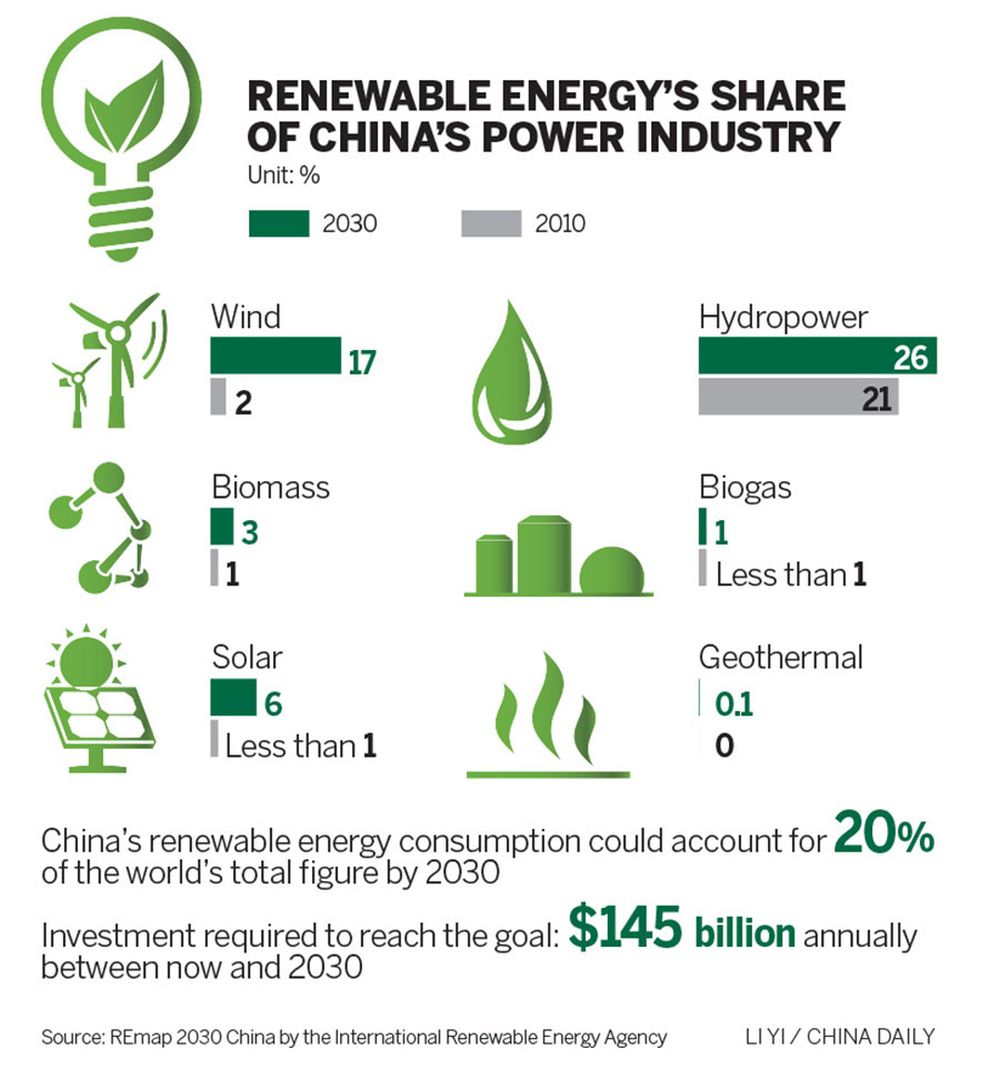
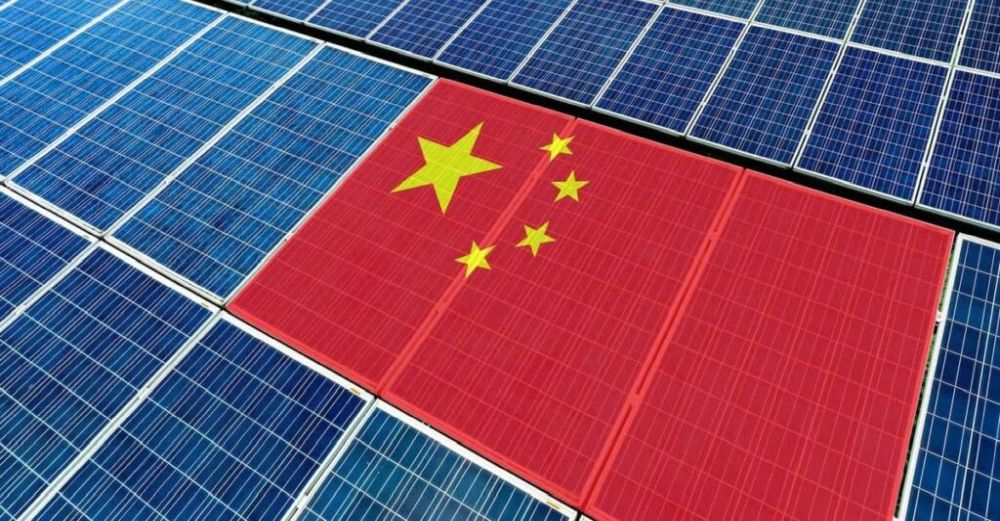
China’s renewable energy expansion is not a promise, it is an industrial reality. The country installs more wind and solar capacity every year than the rest of the world combined, driven by centralized planning, massive state financing, and unmatched manufacturing power. Solar panels, turbines, batteries and grid components are produced domestically at scale, allowing deployment speeds no other nation can currently match.
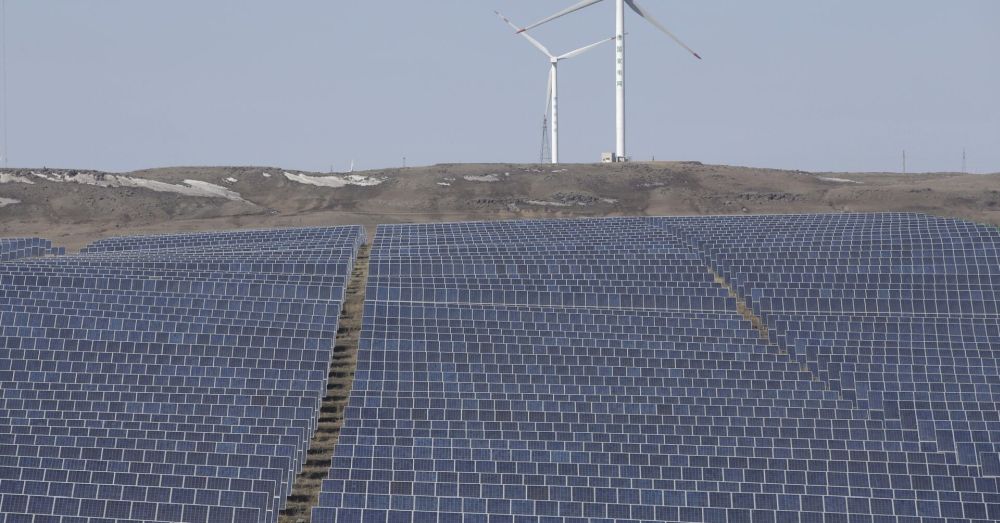
Yet this growth coexists with contradictions. Coal remains deeply embedded in China’s energy security strategy, not because renewables fail, but because the grid still prioritizes stability over optimization. Curtailment of wind and solar persists in some regions, meaning capacity growth does not always translate directly into delivered clean electricity. Even so, renewables are now slowing fossil growth in absolute terms.
The United States follows a different path, led by private investment and tax incentives rather than central planning. Solar growth is strong, wind more uneven, and grid fragmentation slows nationwide impact. Europe, meanwhile, shows the clearest structural transition: renewables are replacing fossil generation in actual output, but permitting delays and aging infrastructure limit speed despite strong political alignment.
Saudi Arabia and other Gulf states start from almost zero, but move fast by design. Large solar projects appear quickly, powered by capital and necessity rather than climate idealism. Still, their renewable share remains small compared to China or Europe. In truth, China is not just ahead, it operates on a different scale altogether.

#RenewableEnergy #China #EnergyTransition #Solar #Wind #GlobalEnergy