Vietnam’s history is often told through resistance. Over centuries, powerful empires tried to subdue it, from Mongol invasions to repeated campaigns launched by Chinese dynasties. More recently, Vietnam confronted colonial rule and devastating modern wars, including the overthrow of the Khmer Rouge regime in Cambodia. Time and again, the country proved remarkably resilient, defending its sovereignty against far stronger forces.
Yet Vietnam’s story is not defined by resistance alone. What makes it distinctive is how it relates to that past. Rather than clinging to historical bitterness, Vietnam has steadily chosen pragmatism and balance. Former enemies have not remained permanent adversaries, but have become part of a carefully managed network of diplomatic and economic relationships.

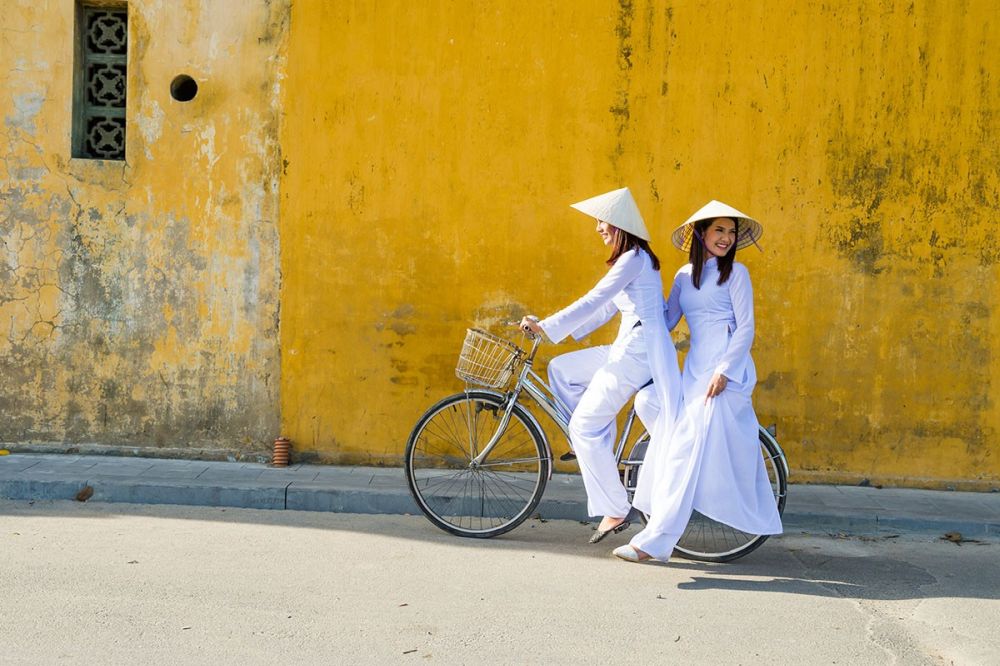
Today, Vietnam maintains constructive ties with China, the United States, Japan, France, and its regional neighbors. These relationships are visible not only in trade and diplomacy, but also in everyday life. French architecture, urban planning, and cultural traces remain present, integrated into modern cities as historical layers rather than symbols of unresolved conflict.

By treating its past as a process of transformation instead of a ledger of grievances, Vietnam offers a rare example of strategic reconciliation. Its strength lies not only in the ability to resist domination, but in the clarity to move forward without forgetting. In doing so, Vietnam shows that resilience and reconciliation can coexist, shaping a confident and forward-looking nation.

#Vietnam #History #Resilience #Reconciliation #Asia #Diplomacy