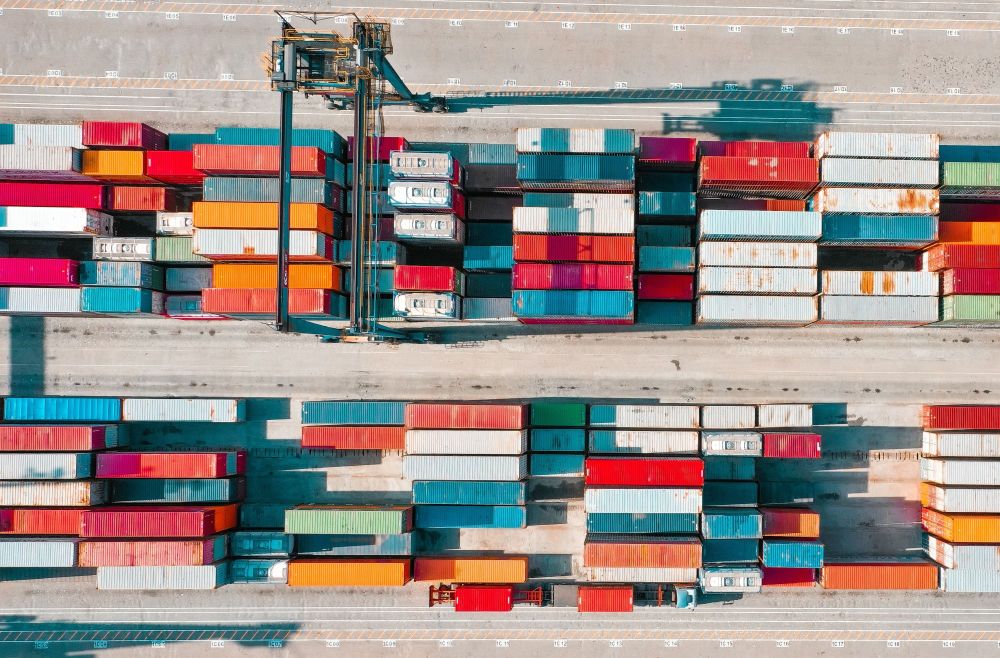
The global economy underwent a dramatic transformation around 1997, entering a “golden age” of unprecedented integration fueled by economic freedom and technological progress. Policy shifts in the early 1970s, which saw richer economies begin dismantling capital controls, paved the way for massive international capital flows. By 1996, the annual flow of private capital into emerging markets had surged to $336 billion, a huge increase from $50 billion just six years prior, demonstrating the transformation of capital markets. Daily currency trading turnover reached nearly $1.2 trillion by 1995. Meanwhile, world merchandise trade expanded rapidly, reaching about 16 times its 1950 level, spurred by the growth of global supply chains made possible by cheaper communications.
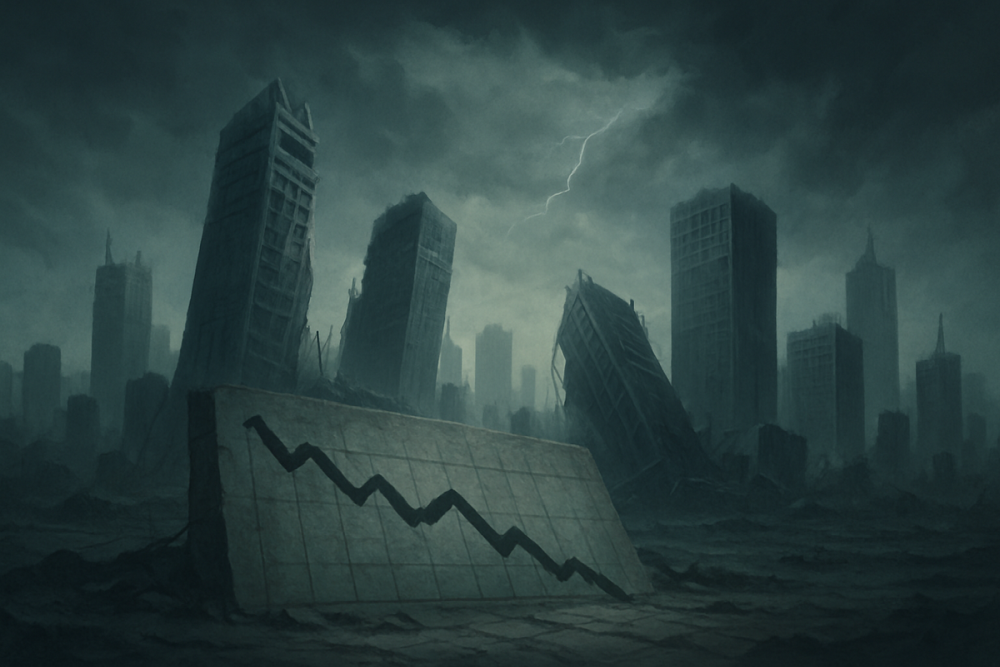
Following the financial crisis of 2007-09, however, this rapid expansion gave way to a new era called “slowbalisation,” characterized by stagnation or shrinkage of cross-border activity relative to world GDP. Measures of global integration, including long-term investment flows and world trade relative to GDP, have gone south since 2008. Structural shifts underpinned this change: the cost of moving goods ceased falling, and Chinese manufacturing matured, reducing its need to import component parts. Furthermore, economic activity began shifting toward services, which are inherently harder to trade across national borders than goods.
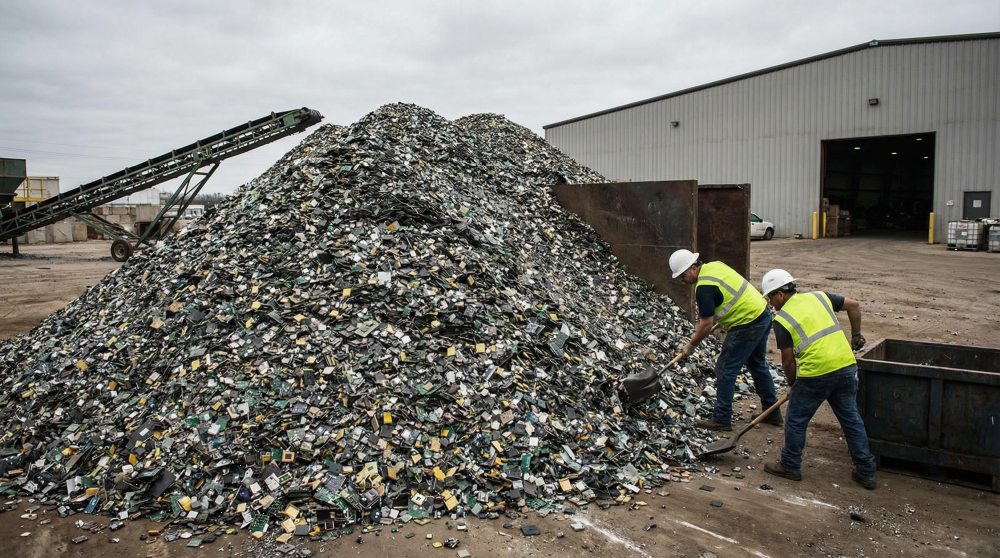
Crucially, the belief in open markets eroded as geopolitical tensions rose, marking a shift where national security became increasingly meshed with economic policy. The Sino-American trade war damaged the open trading system, leading to a profound deceleration in globalization. Governments are now imposing trade sanctions more than four times as often as they did during the 1990s. Governments across the world have adopted “homeland economics,” driven by a desire to reduce risks from markets and geopolitical opponents. This trend manifests in huge subsidies and domestic-content requirements—such as America’s CHIPS Act and the EU’s Green Deal Industrial Plan—designed to build up national champions in strategic industries like computer chips and clean energy.
The open trading system has since suffered further body blows from the COVID-19 pandemic and Russia’s invasion of Ukraine. The pandemic exposed vulnerabilities in extended supply chains and entrenched a bias toward self-reliance, with world goods trade expected to shrink substantially in 2020. Russia’s aggression has accelerated decoupling, forcing powerful countries to turn inward or form regional blocs based on shared political systems, pitting large autocracies against liberal democracies. The result is an environment where barriers to trade and investment are continually piling up, signaling that the era of frictionless global commerce has ended.
#Slowbalisation #GlobalTrade #CapitalFlows #HomelandEconomics