
Moore Threads has introduced Huagang, a new GPU architecture designed to advance both graphics and artificial intelligence workloads. Revealed during a recent developer-focused event, Huagang represents a major step in the company’s effort to build a competitive, full-stack GPU platform capable of serving consumer graphics as well as data-center computing needs.
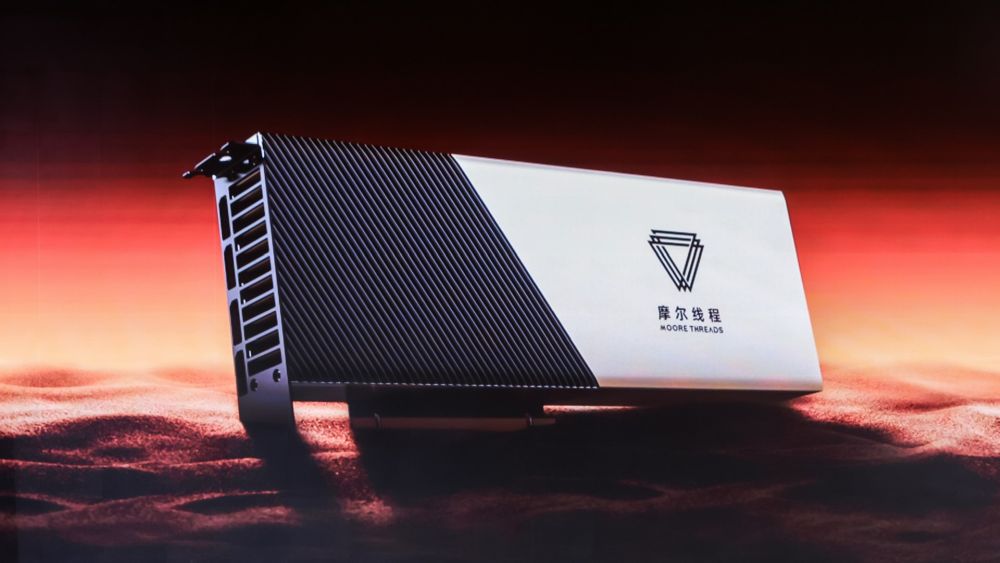
(Moore Threads is a Chinese GPU company, founded in 2020 by a former Nvidia China executive. They design GPUs from scratch for gaming, graphics, and AI, plus their own software stack and drivers. Think of them as China trying to build its own Nvidia, end to end — hardware and ecosystem.)
On the graphics side, Huagang underpins a new generation of gaming-oriented GPUs that emphasize modern rendering features and substantial performance gains over previous designs. The architecture supports contemporary graphics APIs and hardware-based ray tracing, with Moore Threads highlighting large theoretical improvements in gaming throughput and visual realism compared to its earlier products.
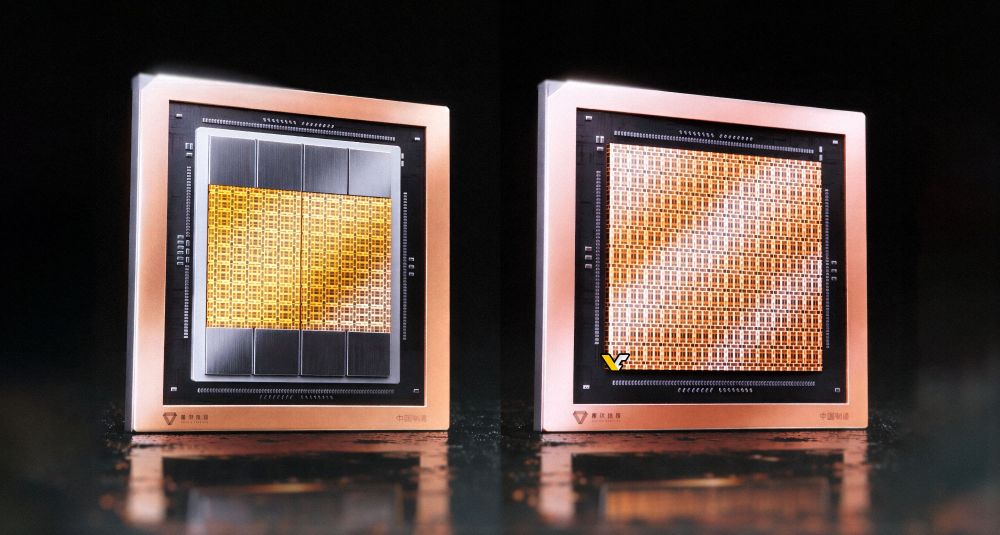
Alongside gaming, Huagang also targets AI acceleration through a separate class of processors optimized for training and inference. The company positions these AI-focused GPUs as offering higher compute density and improved energy efficiency, aiming to close the gap with established leaders in high-performance AI hardware, particularly for large-scale data processing and model deployment.
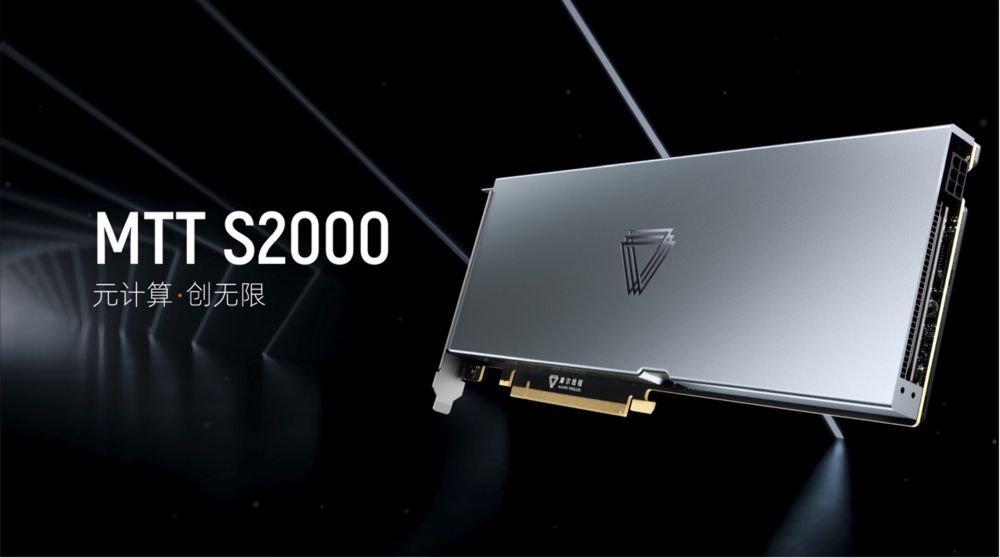
Beyond raw performance, the announcement reflects a broader strategic goal. By developing a homegrown GPU architecture that spans gaming, professional visualization, and AI, Moore Threads is signaling its intent to strengthen the domestic semiconductor ecosystem and reduce dependence on external technologies. The real impact of Huagang will ultimately depend on software maturity and real-world benchmarks as products reach wider adoption.

#GPUs #AIHardware #ComputerGraphics #Semiconductors #TechInnovation