
The growing appetite for euro-denominated debt across Asia is reshaping how the region finances itself on global markets. This year, Asian borrowers allocated a much larger share of their funding to the euro, driven by changing interest-rate dynamics and a desire to insulate themselves from the volatility tied to U.S. policy shifts. The move signals a quiet but meaningful rebalancing in global capital flows.
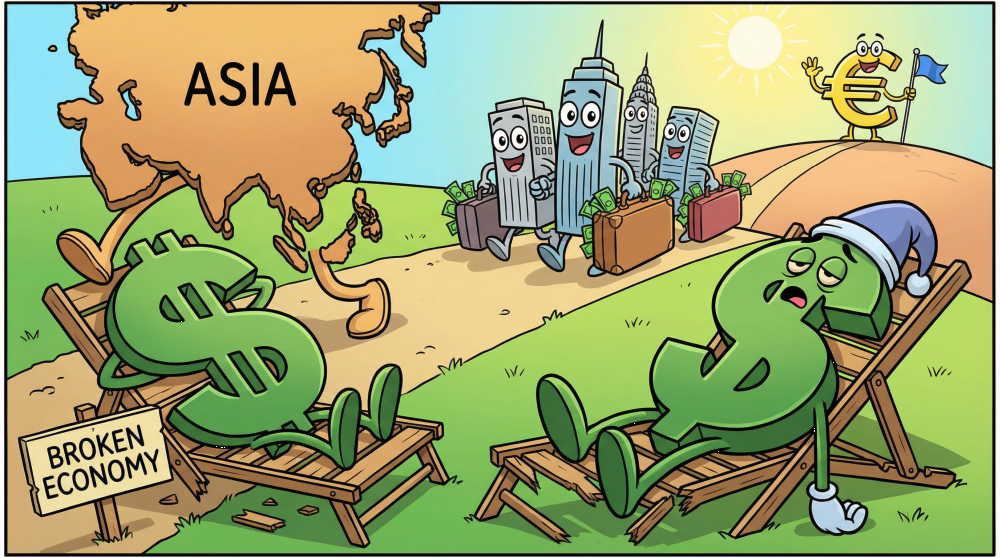
Companies and governments across the Asia-Pacific region issued a record amount of euro-denominated bonds, pushing the share to its highest level in years. Funding costs have become more favorable in Europe for many issuers, especially when viewed through the lens of swaps and overall borrowing expenses. The euro is no longer a secondary option but a competitive financing channel in its own right.
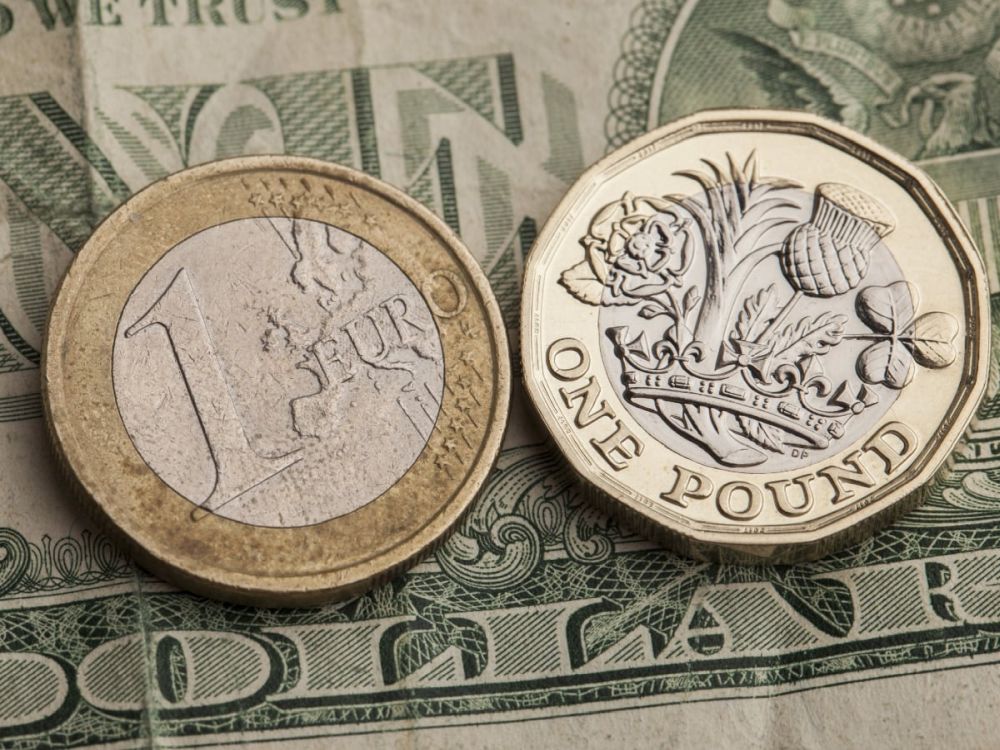
At the same time, heavier reliance on the dollar has started to feel risky for some borrowers. The uncertainty surrounding U.S. economic policy and the wider geopolitical climate has encouraged issuers to diversify, seeking stability in a multipolar currency environment. The euro offers a useful counterweight, giving borrowers access to a deep market without the same level of exposure to U.S. fluctuations.

This shift does not dethrone the dollar, but it does show a world gradually moving away from single-currency dependence. As Asian issuers continue tapping euro markets at record levels, the balance of global borrowing could evolve in ways that make the euro a more prominent player. It’s a subtle change, but one that points toward a more diversified financial future.

#finance #asia #euro #usd #markets #economy #globalfinance