
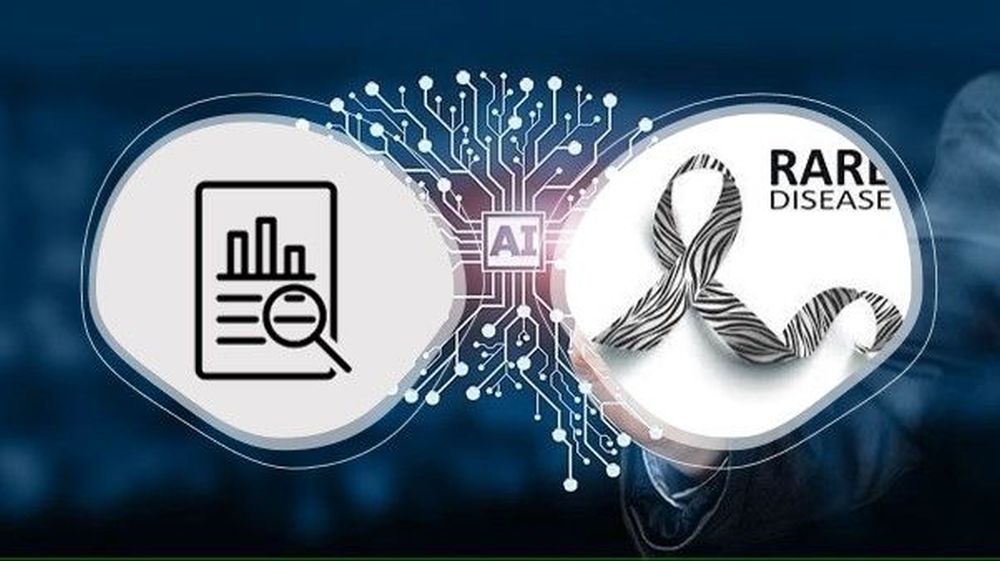
Investigators peering into the shadowy world of rare disease diagnosis have uncovered a tantalizing prospect: an AI tool called DeepRare that’s quietly outperforming human experts in some cases. Trained on vast troves of clinical and genomic data, this system doesn’t just spit out guesses; it reasons like a detective, hypothesizing diseases, cross-checking evidence, and refining its conclusions step by step. In rigorous tests, it nailed first diagnoses 57% of the time with symptoms alone, surging to 70% when DNA data entered the fray, leaving established tools like Exomiser in the dust. But as this black-box challenger infiltrates hospitals worldwide, questions swirl: is it truly ready to rewrite medicine, or just another tech mirage?

Delve deeper, and the human cost sharpens into focus. Rare diseases strike one in 17 people, yet victims languish for years; often four or more;trapped in a diagnostic odyssey of misfires and dead ends. Surveys paint a grim picture: 42% misdiagnosed, rural patients hit hardest, their pleas dismissed as psychosomatic. DeepRare promises a shortcut, its transparent reasoning chains earning 95% nods from experts who once feared AI’s opacity. Now live in over 600 global institutions, it’s no lab toy; it’s reshaping care. Yet investigators wonder: who validates these chains when lives hang in the balance, and what happens when the AI’s logic veers off-script?
The AI healthcare revolution barrels forward, but cracks are showing. Sutter Health’s fresh tie-up with OpenEvidence embeds AI into Epic records, letting doctors query guidelines in plain English; a slick move, claims their AI chief, to arm providers with cutting-edge intel. Broader scans reveal over 1,200 FDA-approved AI devices, yet two-thirds miss the mark on real needs, with rural gaps yawning at 64%. Momentum builds, but so does skepticism: if algorithms dictate fates, where’s the oversight to prevent bias-fueled blunders or profit-driven haste?

Governance shadows loom largest. The FDA’s January pivot eases reins on AI decision aids, shoving risk calls onto hospitals; a deregulation dice roll. No mandatory disclosures on algorithm use, no ironclad accountability for bad calls. Investigators probe: as DeepRare scales from Shanghai labs to global wards, who polices the code? Patients deserve the full dossier; how it was built, tested, and what biases lurk. Until transparency trumps tech hype, this rare disease detective risks becoming medicine’s unsolved mystery.

#AIRareDisease #DeepRare #HealthcareAI #DiagnosticRevolution #AIGovernance #MedTech #RareDisease