
A public exchange between Demis Hassabis and Yann LeCun has reignited one of artificial intelligence’s oldest debates: what does “general intelligence” actually mean. The discussion goes far beyond personality or rivalry, touching the core assumptions that guide how modern AI systems are designed, trained, and evaluated.
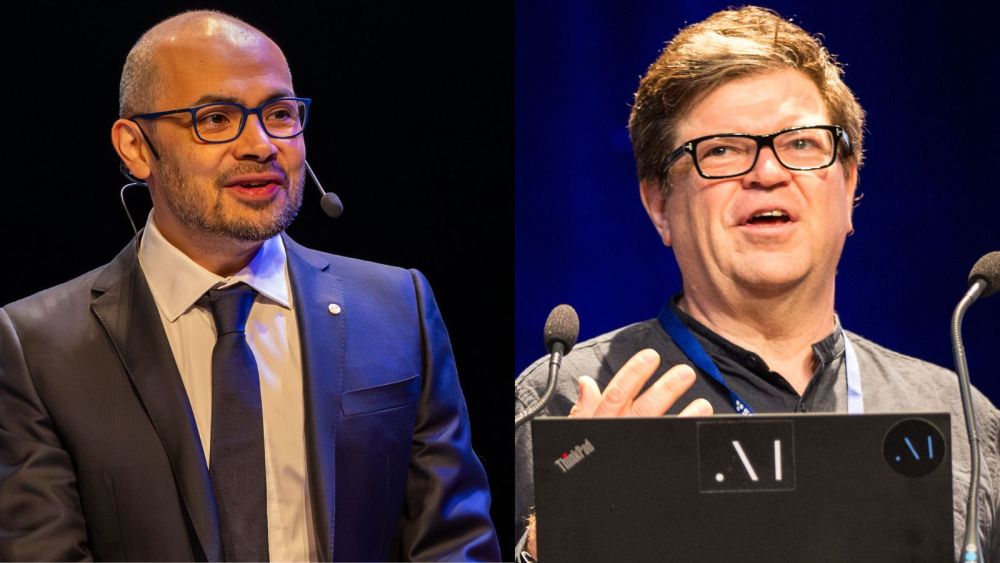
LeCun argues that intelligence is fundamentally fragmented, even in humans. What we casually label as general intelligence, he suggests, is really a collection of specialized abilities working together. From his perspective, today’s large language models cannot reach true intelligence by scale alone, because understanding the world requires grounded perception, planning, and interaction with physical reality.

Hassabis strongly disagrees, insisting that general intelligence is a coherent and meaningful concept. He views both human cognition and future AI systems as capable of learning across domains, given the right architectures and training regimes. For him, dismissing general intelligence risks slowing progress by framing ambition as illusion.
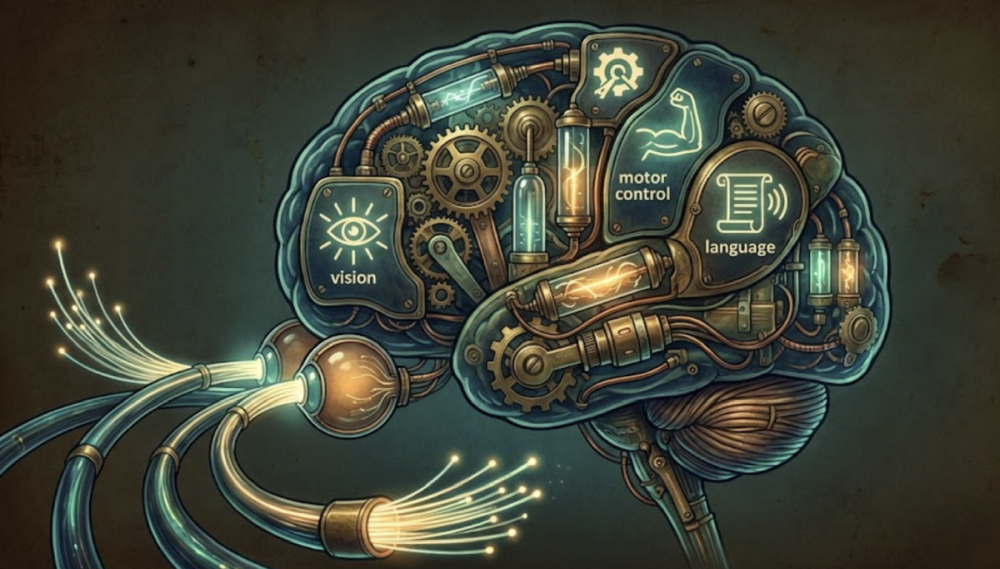
This disagreement matters because it shapes the future of AI research. One path favors scaling existing systems with more data and compute, while the other demands fundamentally new designs inspired by how organisms model the world. Whichever vision prevails will influence not only technology, but how society defines intelligence itself.

#ArtificialIntelligence #AGI #AIResearch #MachineLearning #TechDebate