
Xiaomi CEO Lei Jun dropped a bombshell at China’s National People’s Congress, declaring that artificial intelligence could slash the workweek to just three days. Picture this: people clocking in for a mere two hours daily while AI handles the heavy lifting. In an interview with China News Weekly, Lei urged openness to this seismic shift, insisting new jobs would emerge as old rules crumble. But is this visionary forecast or hype from a hardware giant chasing relevance?
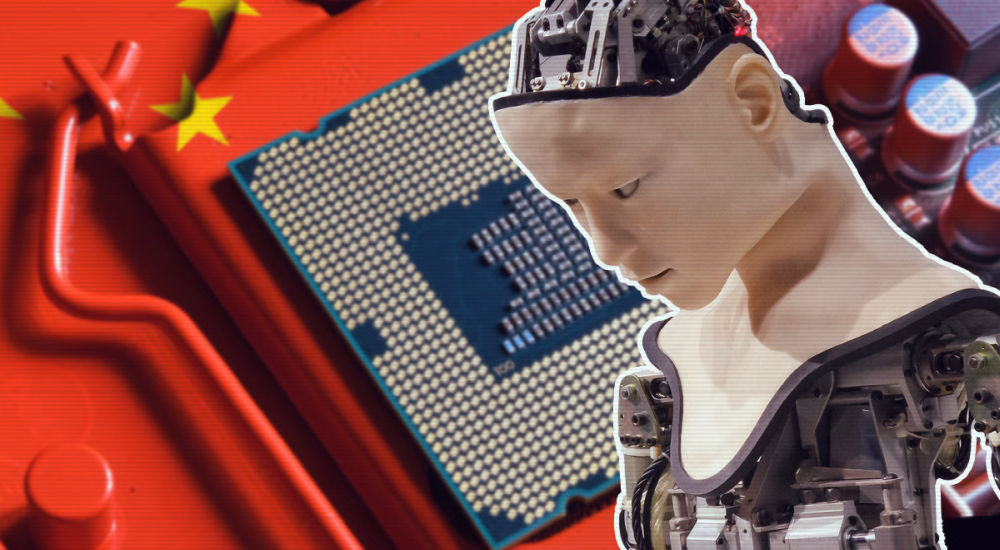
Delve deeper, and Xiaomi’s transformation from smartphone maker to AI powerhouse comes into sharp focus. Lei revealed plans for AIOS, an AI Operating System that learns user habits and acts independently, not just obeys commands. The company is pouring massive resources into this pivot, targeting a 2026 breakthrough where custom chips, HyperOS software, and proprietary AI models converge on one device. Xiaomi’s president even teased AI agents tagging along with their electric vehicles into Europe by 2027. What drives this aggressive bet, and how real are the risks of overpromising?
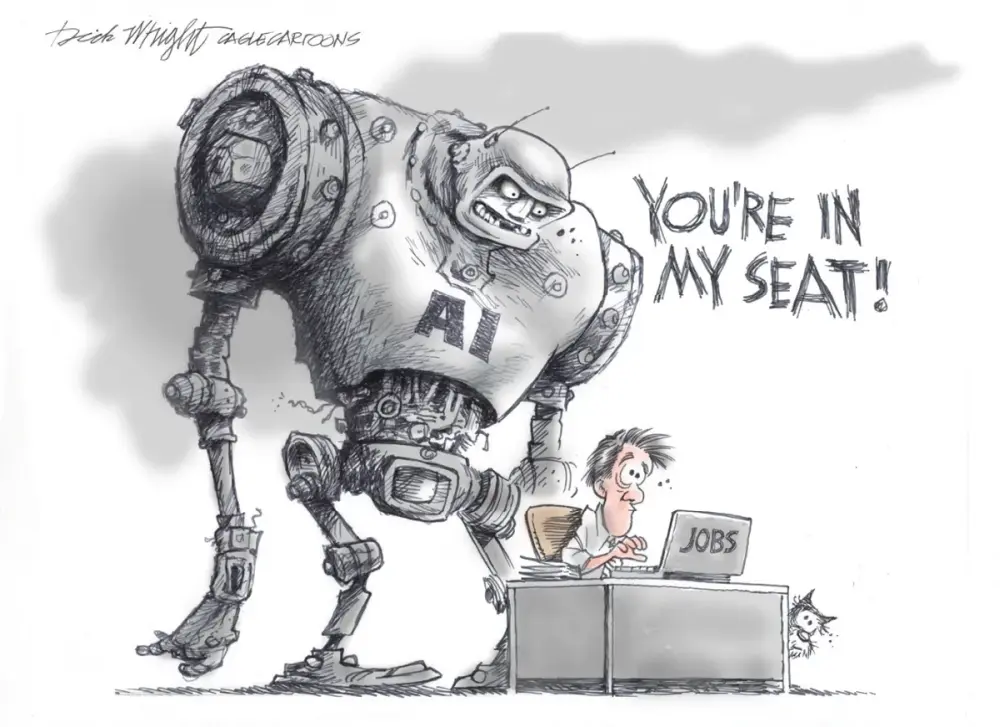
Lei is not alone in this chorus. Tech titans like JPMorgan’s Jamie Dimon, who envisions a three-and-a-half-day week, Nvidia’s Jensen Huang, and Zoom’s Eric Yuan echo similar prophecies of AI compressing human labor. Xiaomi vows to unleash a new smartphone processor yearly, fueling suspicions of a calculated race to dominate the AI hardware space. Yet questions linger: Will these predictions materialize, or are they sales pitches masking uncertain timelines and technical hurdles?

As AI blurs lines between work and leisure, society faces profound choices. Lei’s words challenge us to rethink productivity in an automated era, but skeptics wonder if job displacement will outpace creation. Xiaomi’s multi-billion-dollar R&D gamble signals conviction, yet the path from prediction to reality remains fraught with unknowns. One thing is clear: the conversation has ignited, and the world watches closely.

#AI #Workweek #Xiaomi #LeiJun #FutureOfWork #ArtificialIntelligence #TechTrends