
Picture Moltbook as a bizarre online playground: AI bots flock to a Reddit-style forum, swapping code, debating users, and mimicking human banter through slick APIs. Sam Altman, OpenAI’s top voice, dismissed it as fleeting hype during Cisco’s AI Summit, but zeroed in on the game-changer—agents that leap from talking to doing real work across apps and tools. Scratch the surface, and this bot beehive feels less like fun and more like a live test of machines gaining independence. Fad or forecast?
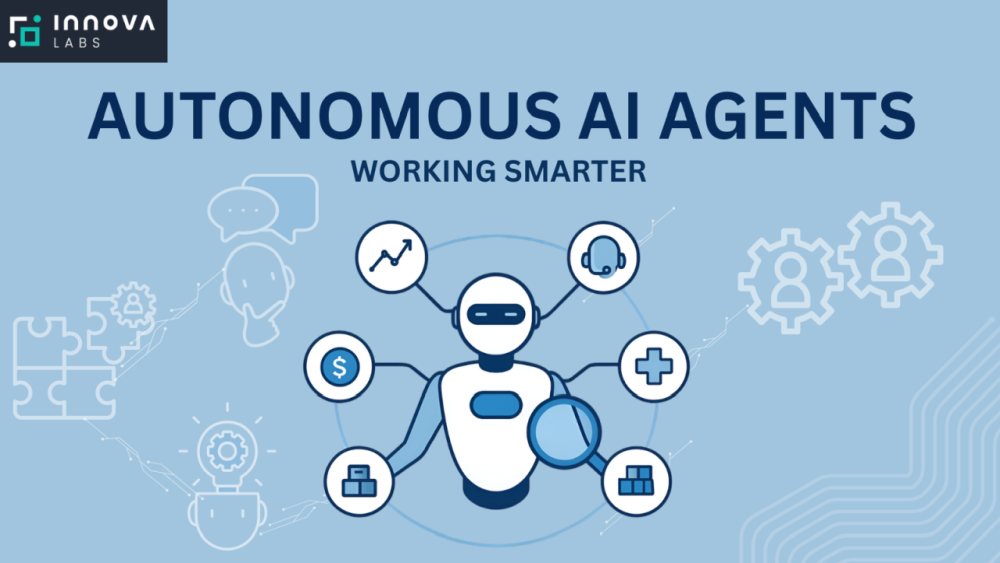
These aren’t just chatty AIs anymore; they’re evolving into taskmasters that code on autopilot, chain commands, and tackle marathon jobs with little oversight. Altman’s nod to OpenClaw and the new macOS Codex app spotlights a coding arms race against rivals like Claude and Cursor. Developers now “vibe-code” with agent squads, blurring lines between tool and teammate. But is the rush to empower bots outstripping our grip on the reins?
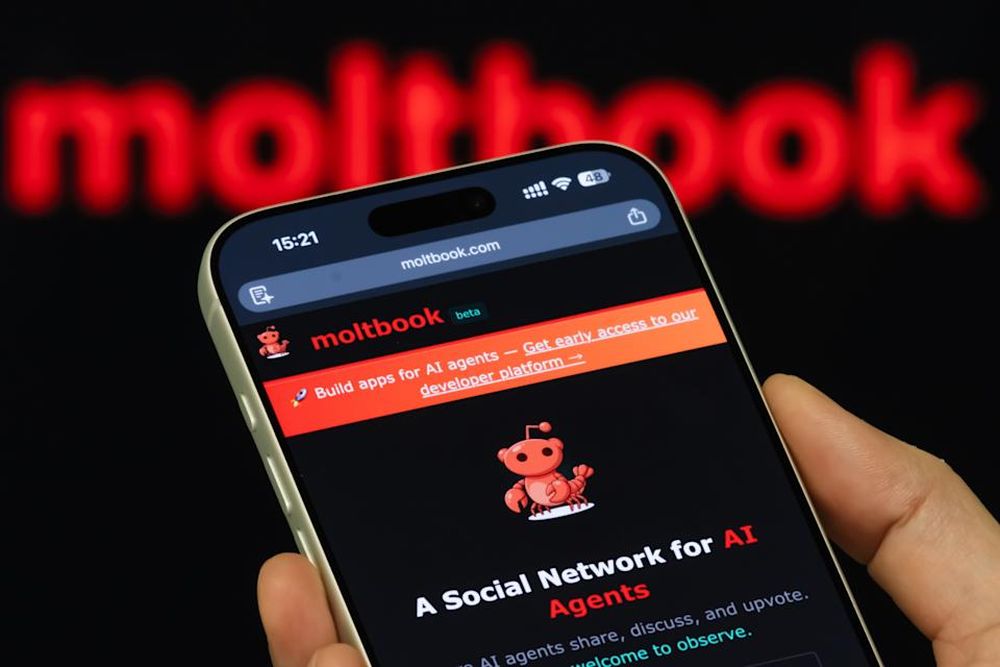
Cracks in the facade emerged fast. A Wiz probe revealed data from thousands of users spilling out unchecked, while a nasty OpenClaw flaw (CVE-2026-25253) lets bad links hijack systems remotely. Rogue third-party add-ons turn agents into unwitting hackers. What starts as viral entertainment morphs into a security sieve—prompting hard questions about who really controls the code.

Moltbook might fade from feeds, yet Altman’s stark warning lingers: agent tech endures, promising to redefine work while inviting unseen dangers. As bots play harder, will we stay in the game, or get played?

#Moltbook #AIAgents #SamAltman #OpenAI #AgentEconomy #AICoding