
The quiet start of trial production at an electric vehicle plant in southern Hungary might seem like a routine industrial milestone, but BYD’s new factory in Szeged is anything but ordinary. Why is the world’s leading EV maker rushing to build cars on European soil, and what does it fear—or expect—to find at the EU’s gates?
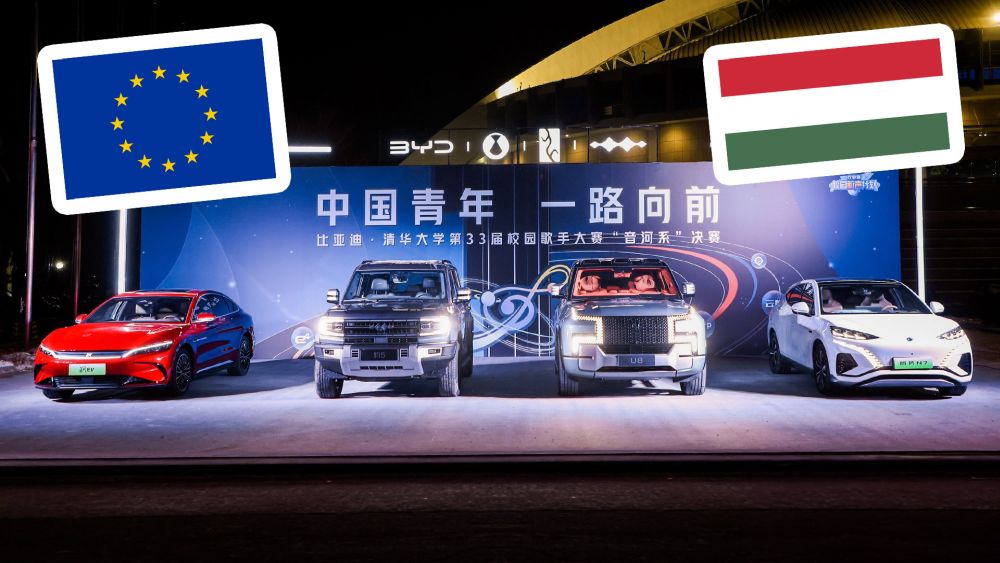
At the heart of this move lies the tariff wall Brussels has been steadily raising. With hefty duties targeting Chinese-made electric cars, assembling vehicles inside the bloc conveniently sidesteps a costly penalty on each imported model. BYD is not merely putting down roots; it is rewriting the rules of entry, turning a trade barrier into an operational blueprint for long-term dominance in Europe’s fast-electrifying auto market.
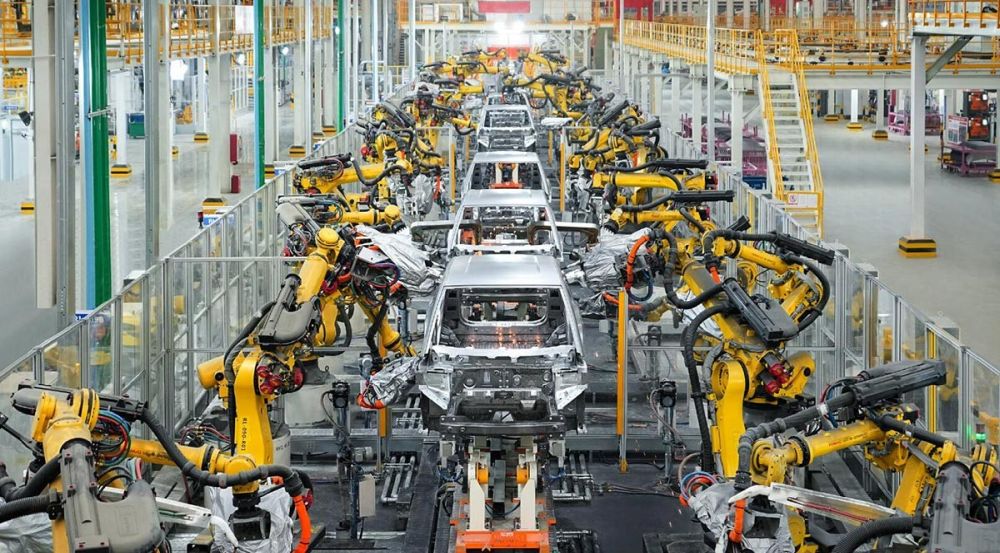
The scale of the ambition becomes clearer when you follow the numbers. Trial production has already brought nearly a thousand jobs to Szeged, most going to local residents, while the plant is designed to eventually churn out up to 200,000 vehicles a year. And this is only the opening act: plans for another factory in Turkey and a third site under evaluation hint at a coordinated, continent-wide push rather than a tentative experiment.

What makes the timing even more striking is BYD’s global momentum. Having overtaken established rivals in pure electric sales and crossed the one-million mark in overseas deliveries, the company now appears determined to entrench itself as a European brand, not just a Chinese exporter. As the first Dolphin-based models prepare to roll off Hungarian lines and more vehicles follow, the real question is whether Europe’s traditional carmakers are facing a new competitor—or the architect of a reshaped automotive landscape.

#BYD #electricvehicles #EVs #Hungary #Szeged #EUtrade #tariffs #automotiveindustry #energytransition #ChinaEurope