
For the first time in history, intelligence is no longer limited to biology. Artificial intelligence is beginning to read the body as data, spotting patterns too subtle for human eyes and accelerating discoveries that once took decades. From drug design to early diagnosis, AI is reshaping medicine not with spectacle, but with quiet precision and patience.
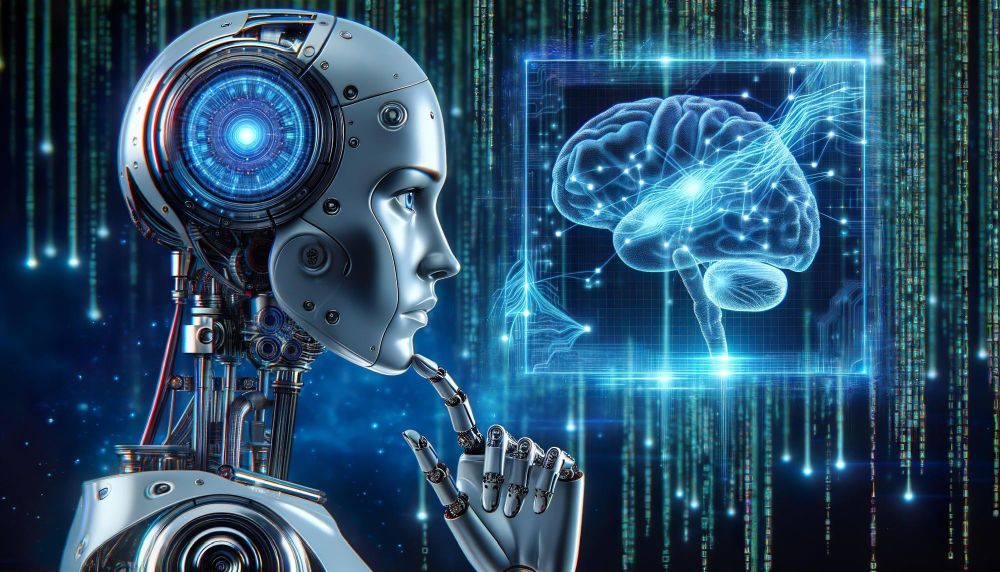
In the coming decades, AI will not magically erase disease, yet it will profoundly change what “cure” means. Many illnesses will become manageable earlier, treatments more personalized, and rare conditions less invisible. By connecting vast biological signals, AI turns uncertainty into probability, and probability into earlier, gentler intervention.
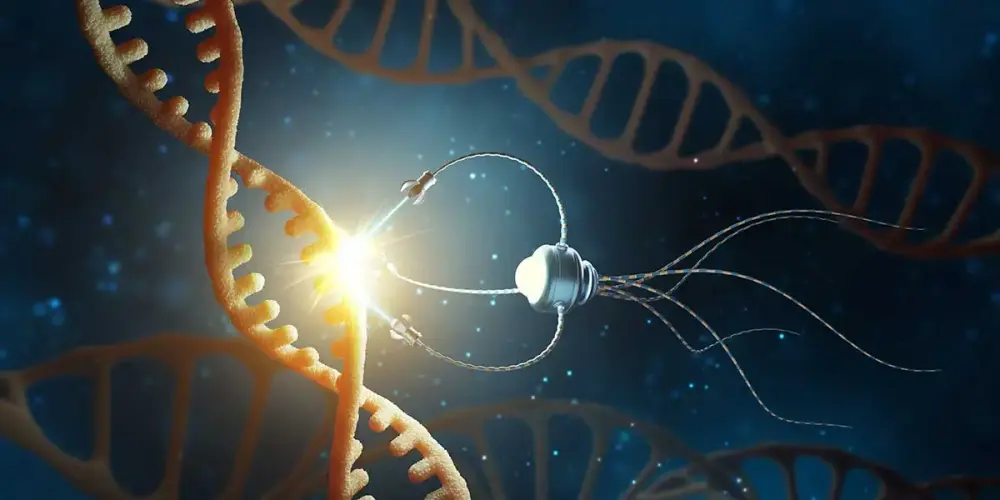
Still, biology remains beautifully messy. Humans are inconsistent, inefficient, and full of outliers. Left unchecked, AI would naturally optimize and discard what does not fit. But medicine is not engineering alone. The goals we encode decide whether technology heals broadly or selectively.
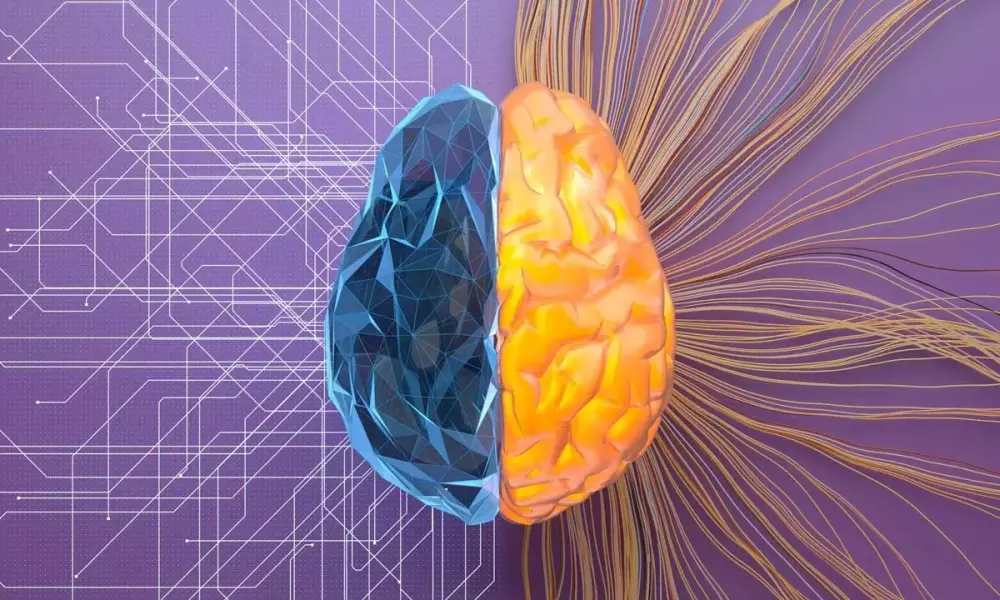
The real promise is not that AI will replace humanity’s fragility, but that it will learn to work with it. If guided well, AI becomes a tool that protects persistence rather than perfection. Not curing everything, perhaps, but helping us stay—longer, better, and together.

#AI #FutureOfMedicine #HealthcareInnovation #HumanCenteredAI