Netflix’s The Great Flood plunges viewers into an apocalyptic vision where relentless rains and surging waters have swallowed the world, leaving pockets of humanity fighting to survive. At its center is An-na, a driven AI researcher and mother, battling rising tides and the chaos of a submerged high-rise as she clings to her young son and the possibility of escape. Through tense survival sequences, the film builds a visceral sense of danger that feels familiar yet immediate.
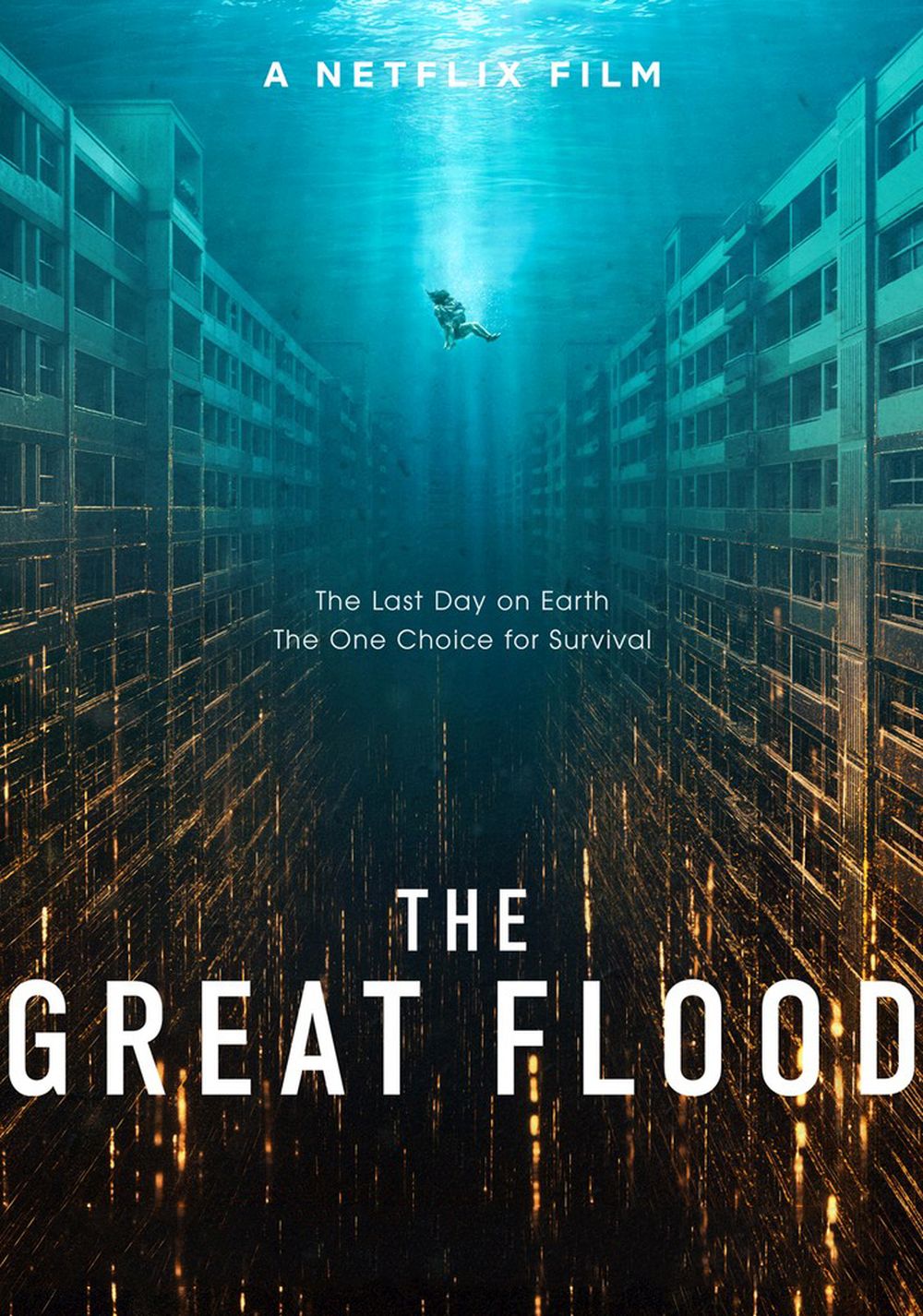
As the narrative unfolds, what begins as a gripping disaster thriller gradually shifts into science fiction territory, introducing elements of advanced technology and existential stakes tied to humanity’s future. An-na’s mission — and the purpose behind her rescue — hints at larger questions about human emotion, memory, and artificial intelligence that elevate the film above simple survival drama.

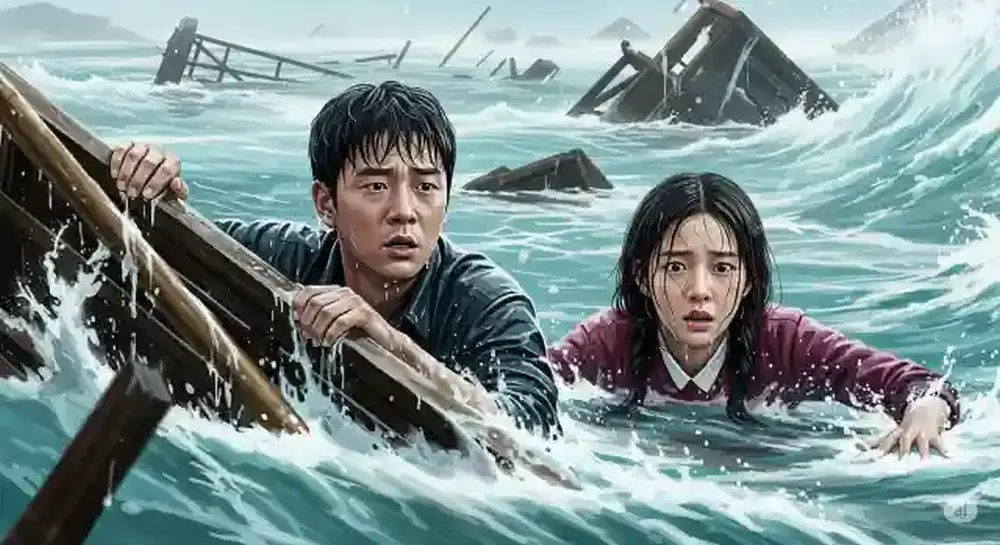
The performances of the lead actors lend emotional weight to this ambitious blend of genres. Kim Da-mi anchors the story with intensity and vulnerability, while her co-star brings grounded support amid the escalating crisis. Visually, the movie delivers striking flood sequences and underwater imagery that reinforce its scale. Yet its narrative detours and abstract revelations have divided audiences, with some praising its daring scope and others finding the execution muddled.
By the time the credits roll, The Great Flood leaves more questions than answers, suggesting an experience that is as much about reflection as it is about spectacle. Whether viewed as a bold experiment in genre fusion or a story that overreaches its grasp, it’s a film that lingers long after the waters recede.
#TheGreatFlood #Netflix #KoreanFilm #SciFi #DisasterMovie #FilmReview #SurvivalDrama #AIThemes #2025Cinema #AlgisCinemaNotes